 Rahul Somvanshi
Orca encounters involving recreational and commercial vessels in the Strait of Gibraltar have generated growing concern among sailors and marine researchers. More than 500 documented interactions have been recorded between 2020 and 2026, with approximately 15 individual orcas consistently identified through photographic records as the animals carrying out the behaviour — representing only a small subset of the Iberian orca subpopulation.
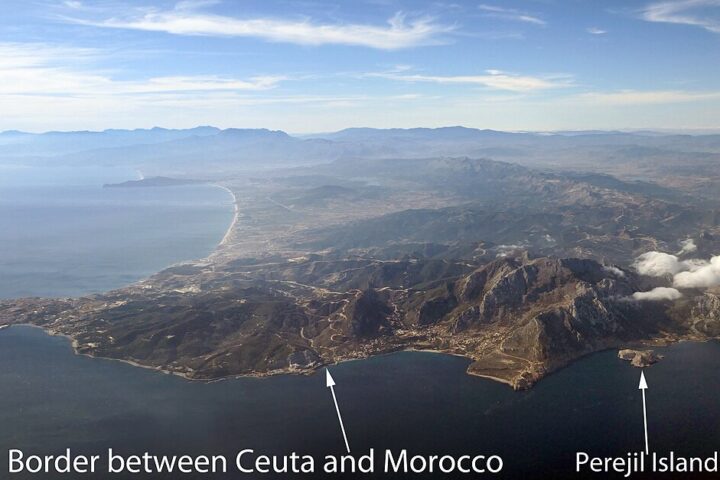
The behaviour, which began in 2020, typically involves the orcas targeting the rudders of sailboats under 20 metres in length. The animals tear off or damage rudders, at best making it impossible for the vessel to continue sailing, and at worst causing water ingress. The incidents have occurred off the Portuguese, Moroccan, Galician, and Strait of Gibraltar coasts, with the Strait remaining a focal point for interactions.
Marine biologists have studied the behaviour in detail and note it appears coordinated among the same group of individual orcas. Most scientists believe the animals are engaging in playful or exploratory behaviour rather than predatory aggression, though the consequences for vessel operators can be severe. Marine conservation researchers have identified each of the 15 active individuals by name through systematic photographic analysis.
Spanish maritime authorities have issued advisories recommending that vessel operators exercise extreme caution in high-risk zones. Recommended protocols include reducing speed, avoiding solo transit, and establishing radio communication with nearby vessels. The wildlife situation has prompted research expeditions to study orca population health, prey availability, and behavioural ecology along the Iberian Peninsula coast.
Conservation organisations emphasised that the behaviour likely reflects orca adaptation to changing ecological conditions. The depletion of Atlantic bluefin tuna — the primary prey of the Iberian orca subpopulation — through decades of intensive fishing may be contributing to stress, altered movement patterns, and unconventional interactions with human vessels and equipment.
Tourism operators reported reduced bookings for boat excursions despite scientific consensus that the direct risk to human safety remains low. The ongoing incidents sparked international discussions about marine life management, sustainable fishing restrictions in critical cetacean habitats, and appropriate protocols for co-existence between mariners and protected wildlife in European waters.