 Karmactive Staff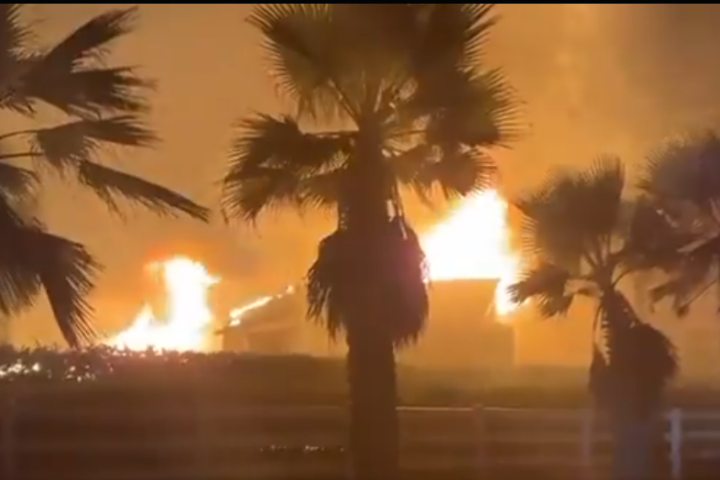
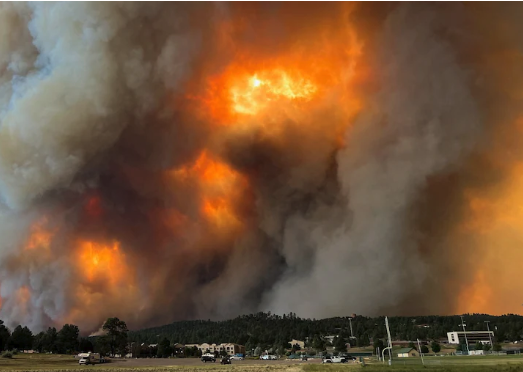
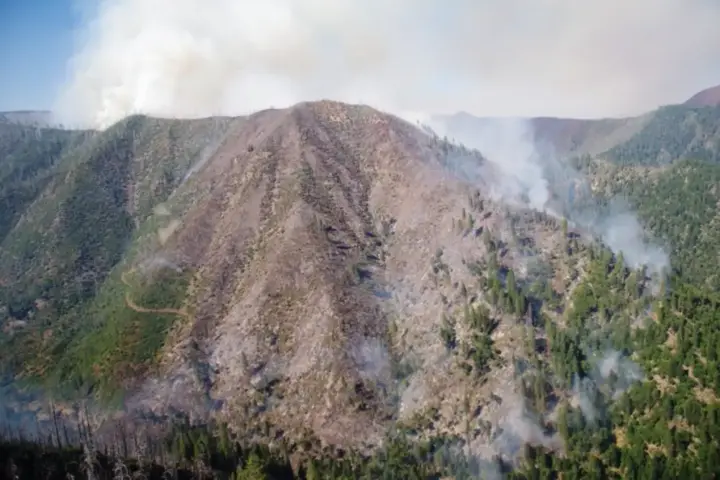
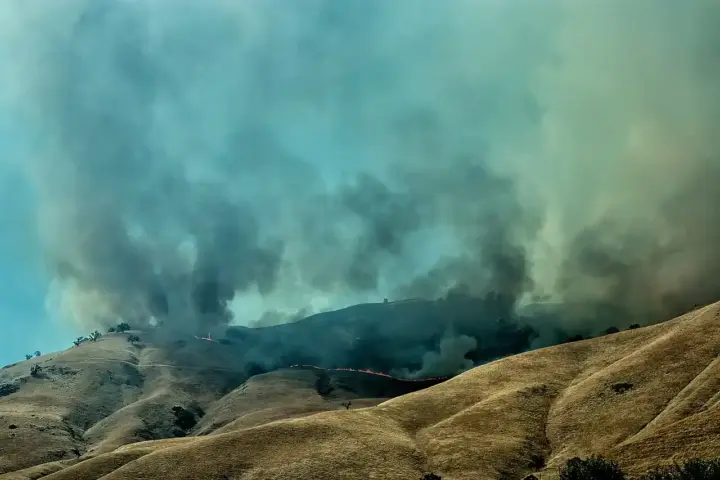
The Woodside Fire broke out on July 30, 2026 at approximately 1:45 p.m. near Timber Cove along Highway 1 in western Sonoma County, California. By late Thursday night the blaze had burned 143 acres of coastal brush and terrain, driven by strong winds and critically low humidity. The fire prompted evacuation orders for Salt Point State Park, Stillwater Cove Regional Park, Ocean Cove private campground, and the Timber Cove subdivision.
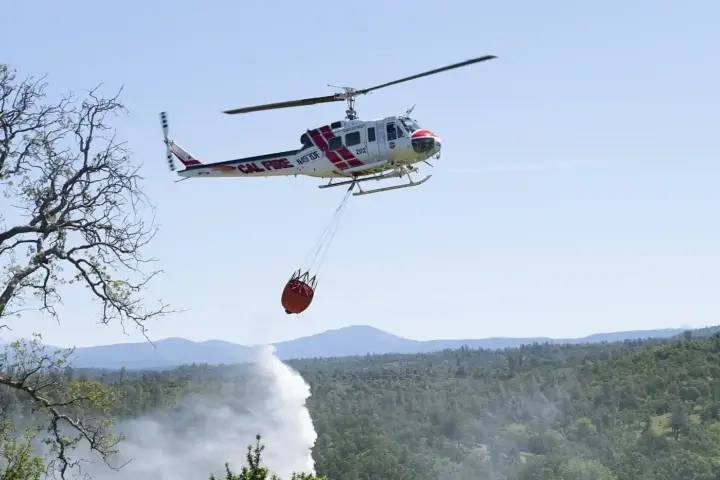
Cal Fire deployed personnel to combat the expanding blaze, establishing defensive perimeters around residential communities and implementing strategic burn operations to reduce available fuel. Cal Fire’s incident page confirmed 20% containment as of late July, with Highway 1 closed between Timber Road and Stewarts Point, cutting off coastal access for residents and visitors in the affected corridor.
Thick smoke blanketed the region, generating hazardous air quality conditions. The Bay Area Air Quality Management District issued a Spare the Air alert and health advisory for Sonoma County, effective immediately through Friday. Residents were urged to keep windows closed, avoid outdoor exercise, and wear protective masks if venturing outside.
Evacuated residents gathered at a temporary shelter established at Laguna High School in Forestville. Emergency management agencies and volunteer organisations coordinated meals, supplies, and support services for displaced families and campers who had been staying at the affected parks and campgrounds.
The wildfire illustrated the continuing risk from drought conditions and accumulated dry vegetation along California’s coastal regions. Fire behaviour experts attributed the rapid spread in the initial hours to the combination of offshore winds, critically low relative humidity, and dry fuel loads built up through an exceptionally dry preceding season.
Climate scientists note that California’s fire seasons are lengthening and intensifying in line with global warming patterns. Community leaders in Sonoma County have discussed long-term resilience planning, defensible space requirements around residential properties, and infrastructure hardening to reduce future fire risk along the coast.