 Rahul Somvanshi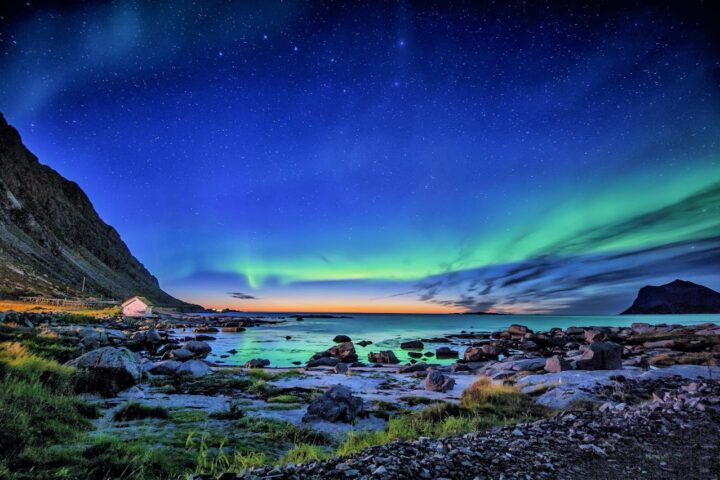
Space weather forecasters predicted exceptional aurora borealis displays across northern latitudes, with the best viewing window running from September through October 2026. The NOAA Space Weather Prediction Center and aurora forecasting services identified the upcoming period as one of the strongest opportunities for Northern Lights observation in more than a decade, as Solar Cycle 25 continues its elevated activity phase.
Optimal viewing opportunities are concentrated in high-latitude destinations between 55–70 degrees north, including Tromsø and Abisko in Scandinavia, Rovaniemi in Finland, Reykjavik in Iceland, the Scottish Highlands, Yellowknife in Canada, and Fairbanks in Alaska. Around the September equinox, geomagnetic activity characteristically ramps up, making the Northern Lights easier to spot — and 2026 is expected to deliver above-average intensity compared to most equinox seasons.
The elevated aurora activity results from sustained solar wind conditions and coronal mass ejections generated during the solar maximum period. Scientists explained that elevated solar activity creates charged particle streams that interact with Earth’s magnetosphere, producing visible light displays in upper atmospheric layers. 2026 remains a particularly strong year for aurora activity as the cycle stays near its peak.
Astrophotography enthusiasts are preparing for exceptional imaging opportunities. Professional astronomers coordinated observation networks to capture real-time aurora data across the season. Amateur astrophotography communities mobilised across social media platforms to coordinate viewing parties and share live updates.
Peak aurora displays typically occur between 10 PM and 2 AM local time in destination locations. Forecasters recommend clear sky conditions well away from urban light pollution for optimal viewing. Smartphone aurora forecasting applications linked to the NOAA Space Weather Prediction Center provide real-time geomagnetic storm updates and alert notifications when activity spikes.
The natural spectacle offers viewers a vivid appreciation of Earth’s dynamic magnetosphere and its relationship with solar activity. Schools, tour operators, and community organisations across Northern Europe, Canada, and Alaska are organising aurora viewing events to facilitate public engagement with atmospheric and space science during the peak season.