 Karmactive Staff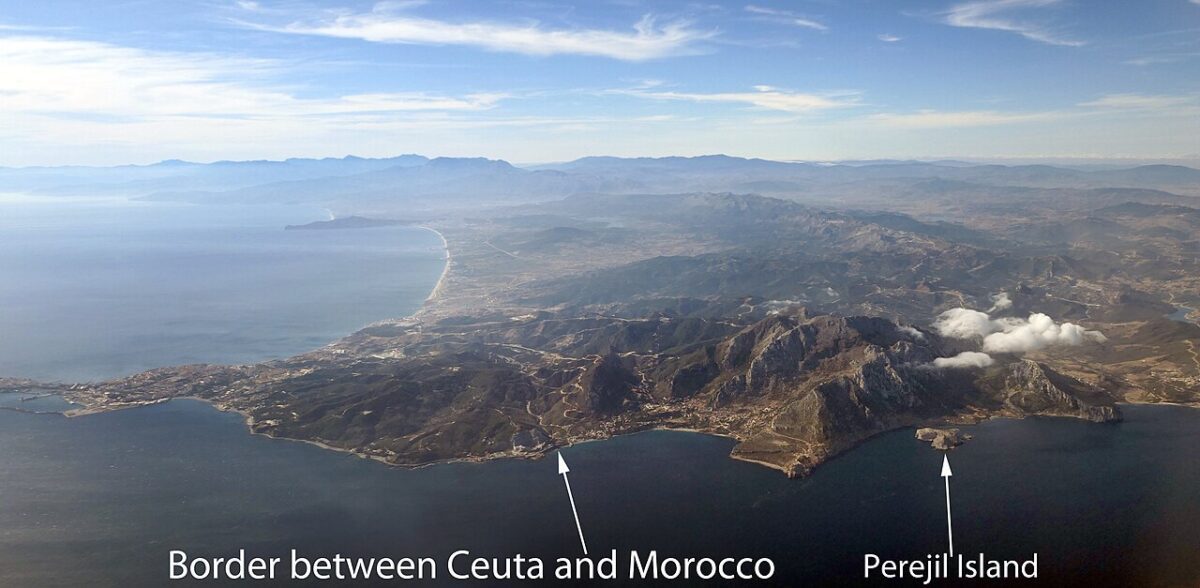
Spain’s European border enclave of Ceuta faced an unprecedented surge in migration when between 1,500 and 2,000 migrants crossed from Morocco over a 10-day period, with the heaviest influx occurring on July 30, 2026. At least nine people died during the mass crossing, overwhelming local authorities and triggering urgent coordination with national security forces.
The surge marked one of the highest multi-day crossing events in recent years, straining the city’s humanitarian resources and border infrastructure. Ceuta’s regional President Jesus Vivas declared an “absolute humanitarian and social emergency” and called on Madrid to send troops. Spanish officials deployed additional personnel to manage the situation, while authorities worked to identify and process the thousands of new arrivals.
Morocco appeared to loosen border controls at the start of the period, a move widely interpreted as retaliation for Spain’s hosting of a Western Sahara independence leader. Spain’s Supreme Court had also ruled earlier that migrants intercepted at sea cannot be returned to Morocco, and people-smuggling networks exploited this ruling. The sudden shift caught European authorities off-guard and was condemned by several EU member states.
Most migrants cited economic hardship and limited opportunities in West Africa as primary motivations for the journey. Humanitarian organizations called for improved migration management systems to process arrivals humanely while maintaining security protocols. Italy’s foreign minister called for closing the Schengen area to Spain in response to the crisis.
Spanish Prime Minister Pedro Sánchez convened emergency meetings with security officials. The government announced plans to deploy the army to Ceuta to reinforce security while also accelerating processing and deportations and engaging Morocco on border cooperation agreements. The incident reinvigorated debates in Spain and across Europe regarding immigration policy and asylum procedures.
The scenes recalled the 2021 Ceuta migration crisis, when around 10,000 people entered the enclave over the course of two days, underlining the recurring pressures Spain faces at its North African borders.