Govind Tekale
United States officials have held further contacts with representatives of Myanmar’s military-backed authorities in Tokyo, according to reporting citing people familiar with the discussions. The talks come as Washington weighs how to pursue narrow practical interests while maintaining pressure on a military government that has faced international condemnation since the 2021 coup.
The reported Tokyo meeting followed an earlier contact in Naypyidaw in September. The people familiar with the discussions said the agenda included the detention of an American businessman, action against scam compounds that have targeted people in the United States, and possible discussion of Myanmar’s rare-earth resources. Neither the U.S. State Department nor Japan’s Foreign Ministry had publicly confirmed the meeting at the time of the reporting.
Why the contacts matter
Myanmar’s military authorities control territory and state institutions but face armed resistance across much of the country. Any U.S. engagement with officials linked to the military administration is politically sensitive because Washington has imposed sanctions on people and entities associated with the coup and has repeatedly called for an end to violence and the release of political prisoners.
The reported focus on online scam compounds reflects a separate security concern. Criminal networks operating in Myanmar and nearby border areas have been accused of forcing trafficked workers to run fraud operations that target victims internationally. Direct engagement on that issue could seek practical cooperation without representing a broader political normalization.
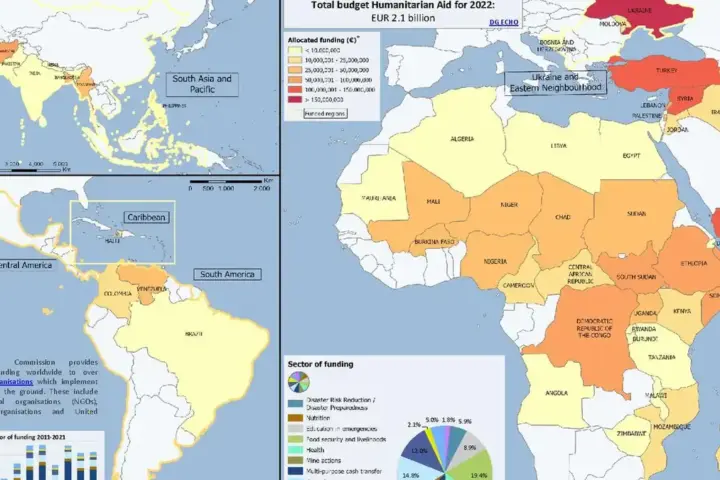
Related context: the humanitarian consequences of conflict and displacement.
What remains unconfirmed
The details of the Tokyo discussions have not been confirmed in a public statement by the United States, Japan or Myanmar’s military-backed authorities. The reported agenda, participants and any outcomes should therefore be treated as details attributed to people familiar with the talks, rather than as an agreed account from the governments involved.
Rare-earth minerals could add another layer to the discussion because Myanmar is part of regional supply chains for materials used in electronics and clean-energy technologies. But there is no public indication that the contacts produced an agreement on minerals, detainees, scam centers or sanctions. Any shift in U.S. policy would require clear public evidence beyond the reported meetings.
Related context: how sanctions policy can affect international relations.