Govind Tekale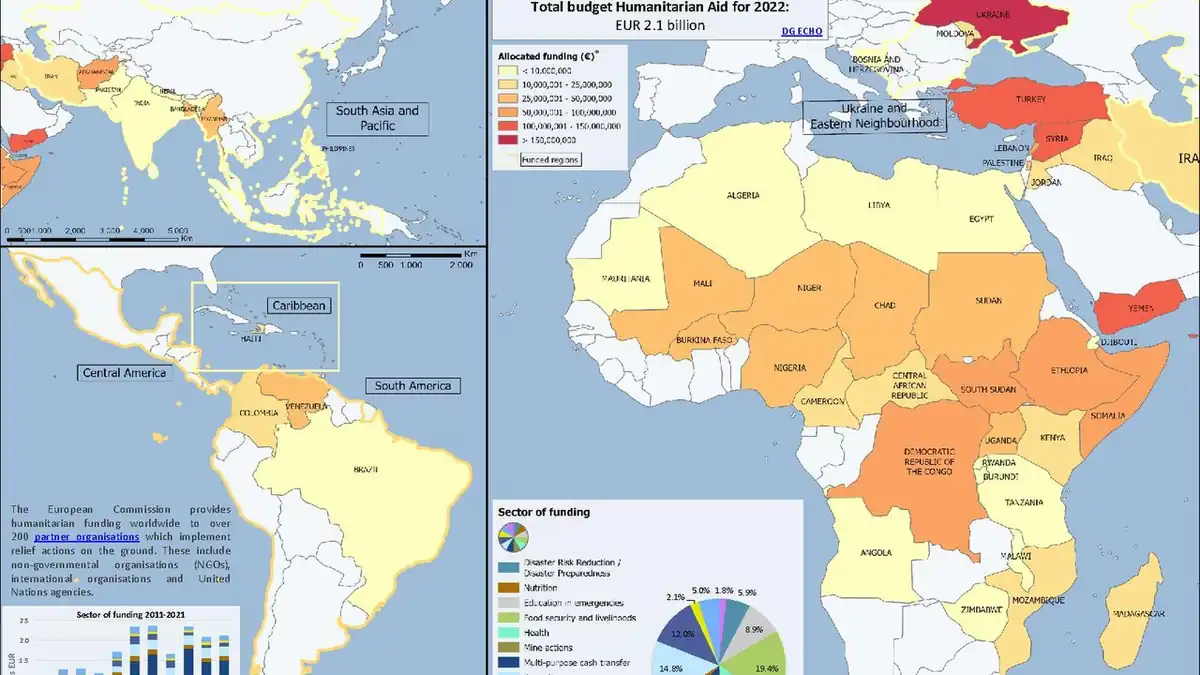
A viral roundup points to serious crises in Ethiopia, Sudan, Nepal, the Democratic Republic of Congo, southern Africa and Gaza. Several of its themes are supported by recent reporting from the UN, Reuters, the BBC and other outlets. But a rapid-fire video should not be treated as a single verified record: casualty figures, control of territory and humanitarian estimates change quickly and need country-by-country sourcing.
In Ethiopia, reports of renewed fighting and competing claims in Tigray have raised alarm about a return to wider conflict. That is not the same as a confirmed new civil war. In Sudan, UN agencies continue to warn of extreme hunger and famine conditions in parts of the country, while the war has displaced millions.
Nepal has faced catastrophic flooding and landslides, with reported death tolls and missing-person counts evolving as recovery operations continue. In eastern DR Congo, fighting involving M23 and other armed actors has continued to endanger civilians and drive displacement.
In South Africa, gender-based violence remains a national emergency, and mass shootings have intensified public concern. In Spain, migration politics and demonstrations require particular care: migrants do not form a single bloc, and protest claims should be checked against local reporting.
Gaza’s reported death toll is also contested in political debate, but humanitarian agencies continue to report devastating civilian harm. The responsible approach is to state the source and date of any figure, rather than presenting a moving estimate as a permanent fact.
How should people verify a global-crisis roundup? Check each country separately against UN agencies, official disaster authorities, trusted wire services and local reporting. Look for the date, methodology and source of every casualty or food-security number. The crises are real; precision is part of taking them seriously.