Govind Tekale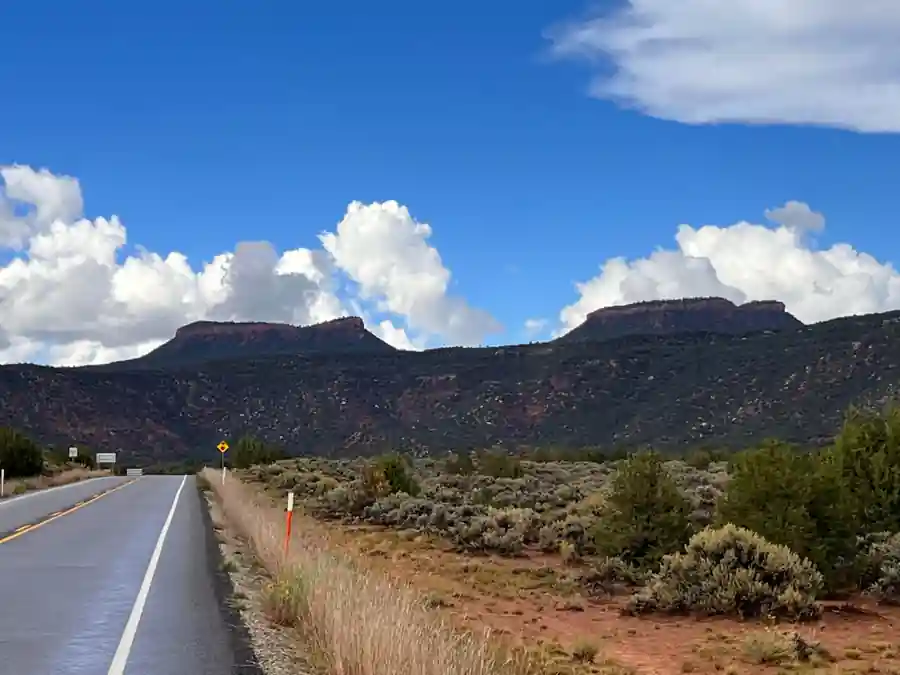
President Donald Trump has again reduced the boundaries of Bears Ears and Grand Staircase–Escalante national monuments in Utah, reviving a long-running dispute over presidential authority, tribal consultation and public-land management.
The new proclamations reduce the monuments by more than 90% from their restored boundaries, according to maps and analyses published after the action. The precise acreage, legal effect and available land uses will be tested through federal records and expected court challenges.
Why the reductions matter
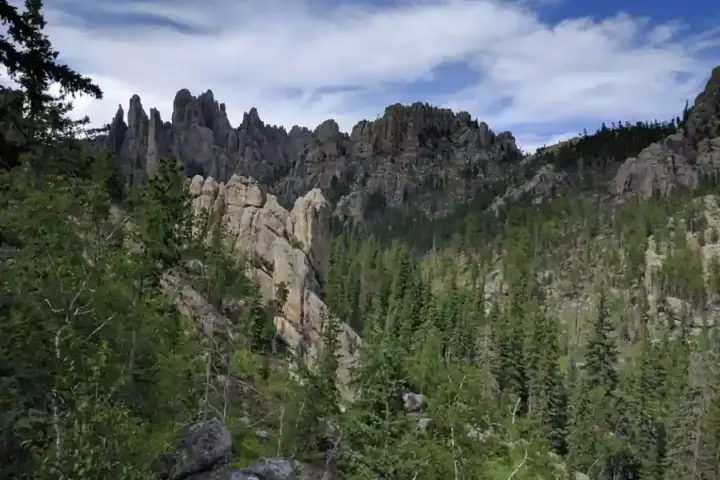
Bears Ears contains sites of cultural and spiritual importance to multiple Tribal Nations. Grand Staircase–Escalante contains major paleontological, archaeological and ecological resources. Monument status does not transfer land ownership, but it guides federal land-management rules and can limit new extraction activity.
Supporters of the reductions argue that more local and state control, along with access to energy and mineral resources, is needed. Tribal governments, conservation groups and many researchers argue that boundary changes threaten cultural sites and weaken protections for landscapes with irreplaceable resources.
Did the reductions open every acre to mining or drilling? No. Monument changes can alter management priorities and expose areas to new claims or leasing processes, but individual projects still require applicable federal and state reviews, permits and public processes.
The dispute also centres on consultation. Bears Ears was originally designated after an unprecedented intertribal coalition advocated for protection. Any change to its status therefore carries consequences beyond acreage: it affects how Indigenous knowledge and treaty-related interests are considered in managing ancestral landscapes.
Courts will likely determine whether the proclamations comply with the Antiquities Act and other federal law. Until then, public land agencies must explain the new boundaries, identify which protections remain and make any proposed leasing or development decisions available for public review.