Govind Tekale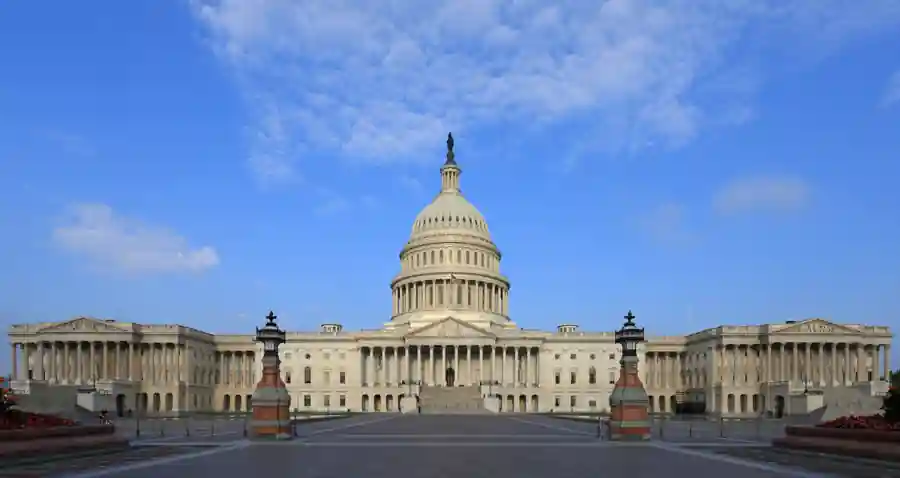
The US Senate blocked a resolution led by Senator Chris Van Hollen that would have required the State Department to report on human-rights concerns in the West Bank. The measure was brought under Section 502B of the Foreign Assistance Act, a provision that allows Congress to seek information on governments receiving US security assistance.
Supporters said the report was needed to assess allegations involving violence in the West Bank, the treatment of Palestinian detainees and the deaths of US citizens. Opponents argued that the resolution was one-sided and could complicate US policy toward Israel.
What the resolution would have required
The resolution sought a State Department report within 30 days. Under the mechanism cited by its sponsors, failure to provide a required report can trigger restrictions on certain security assistance unless Congress acts otherwise.
The Senate’s decision means the report will not be compelled through that resolution. It does not settle the underlying allegations or prevent lawmakers from using other oversight tools, including hearings, letters, appropriations conditions and future resolutions.
Did the resolution cut US security assistance to Israel? No. The resolution did not itself impose an immediate cutoff. It sought information from the State Department and set out consequences tied to a failure to provide that report.
The vote reflects a wider debate in Congress over US support for Israel, civilian protection, accountability and the role of human-rights conditions in foreign assistance. Future legislative action would require separate votes and would be subject to the normal congressional process.
Public debate on this issue is often highly charged. The most useful way to assess any future measure is to read its legislative text, track the vote record and distinguish a proposed reporting requirement from a change already made to US policy.