Govind Tekale
Claims that pipeline construction automatically causes Indigenous women to disappear need careful wording. The crisis of missing and murdered Indigenous people is real and has been recognised by tribal communities, researchers and the US Justice Department. But a single headline figure or an allegation about one project should not be presented as proof of a direct causal link without case-level evidence.
A widely repeated number—5,712—came from 2016 National Crime Information Center data on reports of missing American Indian and Alaska Native women and girls. It does not mean 5,712 people were confirmed to have disappeared that year, and it cannot be used to attribute every case to pipelines or construction work.
Why work camps are part of the safety debate
Indigenous advocates have raised concerns that large, temporary workforces and remote work camps can increase pressures on communities, including risks of exploitation and trafficking. Those concerns deserve prevention measures, reporting channels and accountable law enforcement. They do not establish that every project or worker is responsible for a crime.
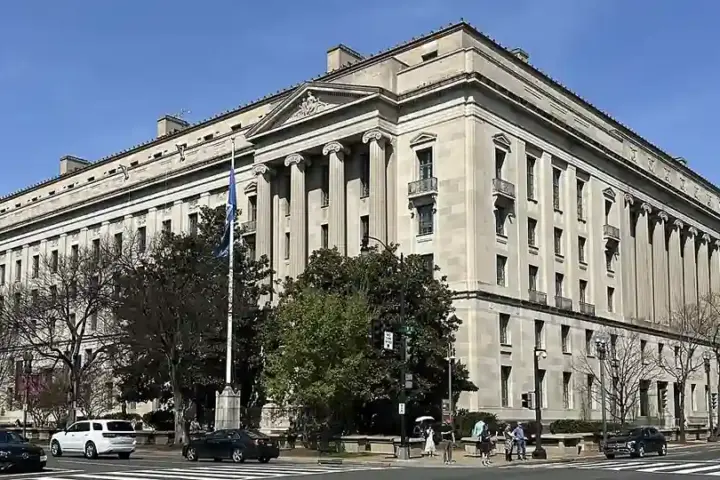
The US Department of Justice describes the Missing or Murdered Indigenous Persons crisis as a priority and supports tribal, federal, state and local efforts to improve investigation, data-sharing and services for families.
Line 3, the oil pipeline replacement that entered service in 2021, became a focal point for protests over treaty rights, water and public safety. Some advocates reported increased fears around the construction period. A responsible account must distinguish those testimonies and risk warnings from verified statistics about specific crimes or a demonstrated rise caused by the project.
Did Line 3 cause an increase in missing Indigenous women? The available information supports concern about safety risks around large infrastructure work camps, but it does not establish a quantified causal increase in missing-person or sexual-violence cases attributable to Line 3. Such a claim requires transparent, case-level evidence.
Better policy does not depend on overstating the evidence. It includes culturally informed victim services, safe reporting, investigation of every case, data that communities can examine and meaningful consultation before major projects proceed. Those steps address the documented crisis while keeping public discussion tied to what can be verified.