 Govind Tekale
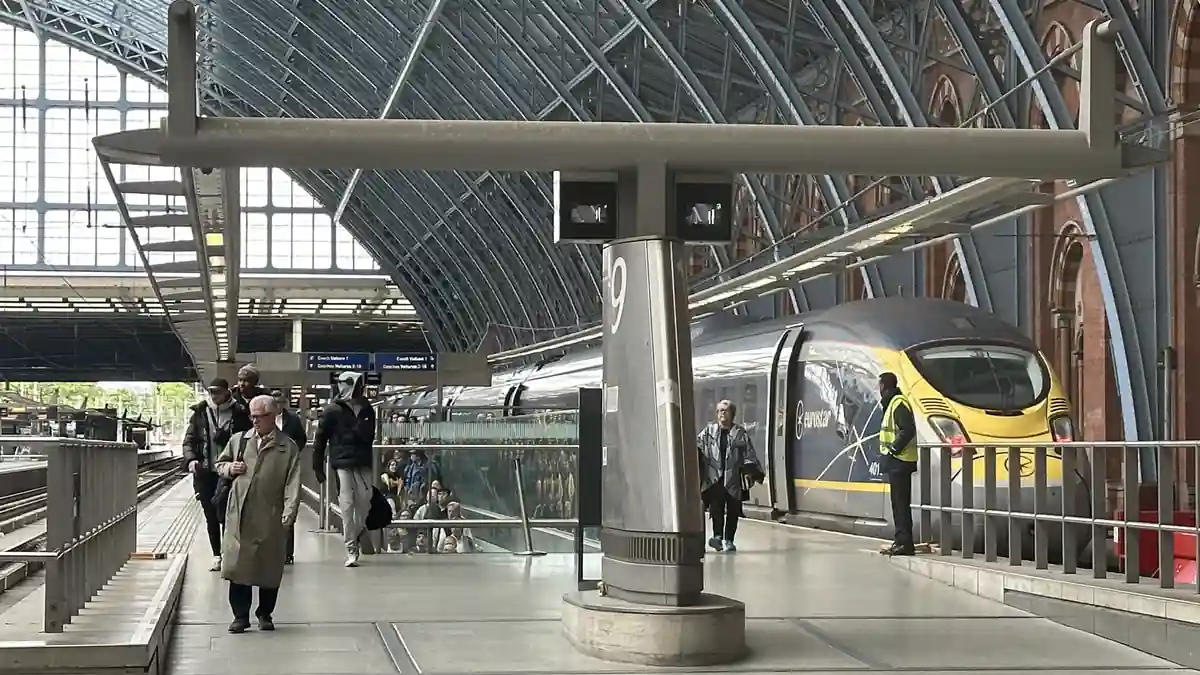
Young people on both sides of the English Channel have been handed the kind of opportunity their parents never had. At a Brussels summit, UK Prime Minister Andy Burnham, European Commission President Ursula von der Leyen and European Council President Antonio Costa agreed a deal that could let hundreds of thousands of people live, work, study or volunteer on the other side of the border. The UK EU youth mobility scheme is now a formal agreement. The question is when it actually opens.
The University Tuition Stumbling Block and ETS Carbon Links
For eligible young people in Britain and the EU, the newly agreed Youth Experience Scheme promises freedom to work, travel and study abroad for up to three years without standard visa sponsorship barriers. However, applications will not open immediately: the parties aim to apply the agreement by 2028 and aim to make opportunities available no later than January 2030. University tuition fee discounts remain unapproved: both sides gave themselves a six-month negotiation window to decide whether participants qualify for domestic student rates.
The scheme creates up to 100,000 reciprocal slots for young people. Participants from either side can live, work, study or volunteer for up to three years. The agreement gives no “full capacity” date. The Brussels summit also produced an agreement to aim to apply the ETS-linking agreement from 2028. An Emissions Trading System, or ETS, is a carbon market where companies buy permits to pollute. Reconnecting both systems would mean shared carbon pricing across borders. The two sides also agreed to seek mutual recognition of allowances and exemption of covered UK–EU goods from the respective CBAMs, subject to legal procedures.
The unresolved tuition issue is the sharpest disagreement left on the table. Both sides presented the summit as a clean reset, but the deferred tuition fee battle exposes a fiscal asymmetry. UK students studying in Europe could save large sums by paying European domestic rates. At the same time, cash-strapped British universities face shortfalls if forced to accept large numbers of EU students at capped domestic rates instead of the international rates they currently charge. That tension will define the next six months of negotiation. For background on how UK political decisions get made, see this UK electoral reform analysis, and for how carbon policy connects to international law, read international climate law explained.
The UK-EU youth mobility scheme will grant up to 100,000 young people from each side reciprocal rights to live, work, study or volunteer abroad for up to three years. The parties aim to apply the agreement by 2028 and aim to make opportunities available no later than January 2030.
The deal is real, but the timeline is long. If you are 18 today, you will be 21 or 22 before the first slots open. The tuition fee question will shape whether this scheme gives young people a genuine financial option or simply a temporary change of scenery. That answer comes within six months.