 Sonali Tiwary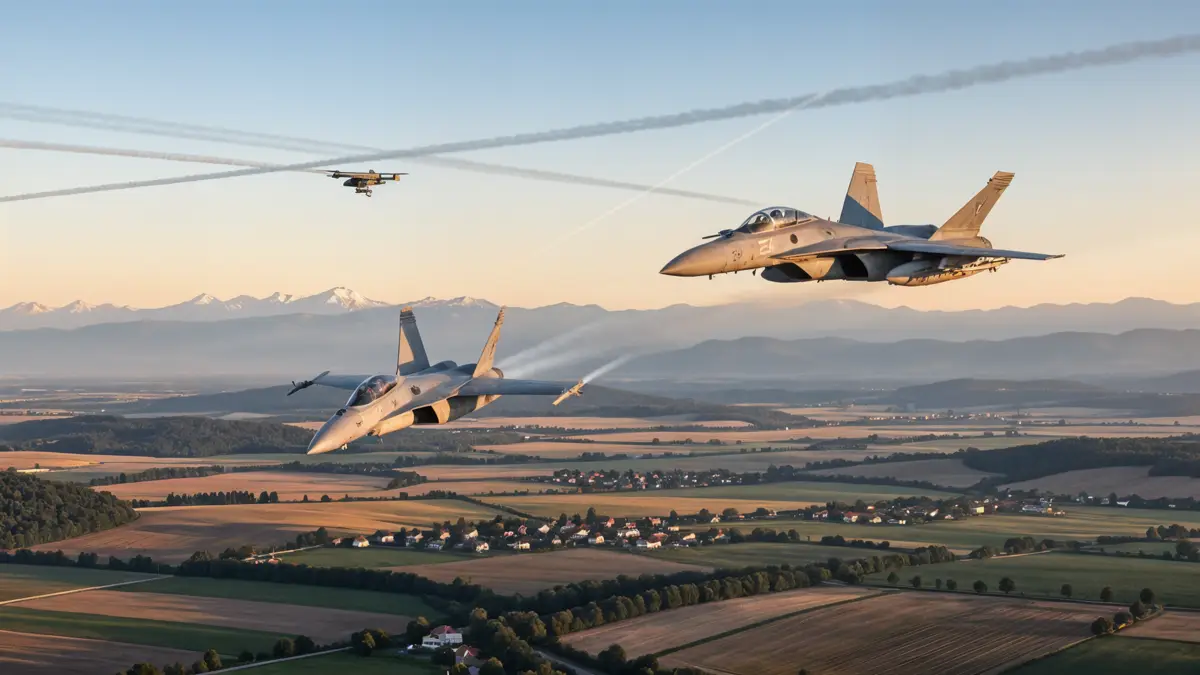
Australia is cooperating with the United States and Lockheed Martin to determine how F-35 fighter jet components that left Australia ended up in Hong Kong. Defence Minister Richard Marles confirmed the matter on September 22, describing it as being handled by the US and Lockheed Martin, with Australia assisting.
ABC News reported the F-35 components were routed to Hong Kong during shipment. Marles confirmed in a doorstep press conference in Adelaide on September 22 that Australia is cooperating. He said his understanding was that the missing parts were not sensitive equipment. ABC also confirmed that Politico reported Lockheed Martin used a third company to ship the components, which were meant to be flown to the United States.
There is a factual dispute about the nature of the components. Politico reported, as cited by ABC, that the shipment included an F-35 canopy containing radar-resistant technology. Australian Defence Magazine described the shipment as classified and said it reportedly included a canopy. The precise classification of the missing parts has not been independently confirmed. No official statement has established that classified technology was accessed or obtained by any third party.
The missing parts raise questions about the security of Australian military logistics chains regardless of the components’ ultimate classification. Whether the routing resulted from a commercial shipping error, deliberate interference, or another cause has not been publicly established. Until the investigation concludes, the full scope of any security exposure—if any—remains unknown.
Australia maintains a fleet of 72 F-35s and is one of seven countries sharing a pool of spare parts managed by Lockheed Martin. Components move through international logistics chains as part of maintenance, upgrade, and servicing cycles. For background on Australia’s F-35 program and its defence posture, see .
The core dispute in the public record is the gap between the Australian Defence Minister’s position—that his understanding is the parts are not sensitive—and Politico’s reporting, cited by ABC, that the shipment may have included a canopy with radar-resistant properties. Public reporting has not established the precise commercial shipping pathway or intermediary responsible for the routing.
Lockheed Martin has not publicly disclosed the specific shipment’s status or route.
Were the missing F-35 parts classified?
Australian Defence Minister Richard Marles said his understanding was that the missing components were not sensitive. However, ABC cited Politico’s reporting that the shipment may have included an F-35 canopy with radar-resistant technology. Australian Defence Magazine also described the shipment as classified. The precise nature of the parts has not been independently confirmed by any primary source.
The matter is being handled by the United States and Lockheed Martin, with Australia examining its role. Check back as official findings are released.