 Rahul Somvanshi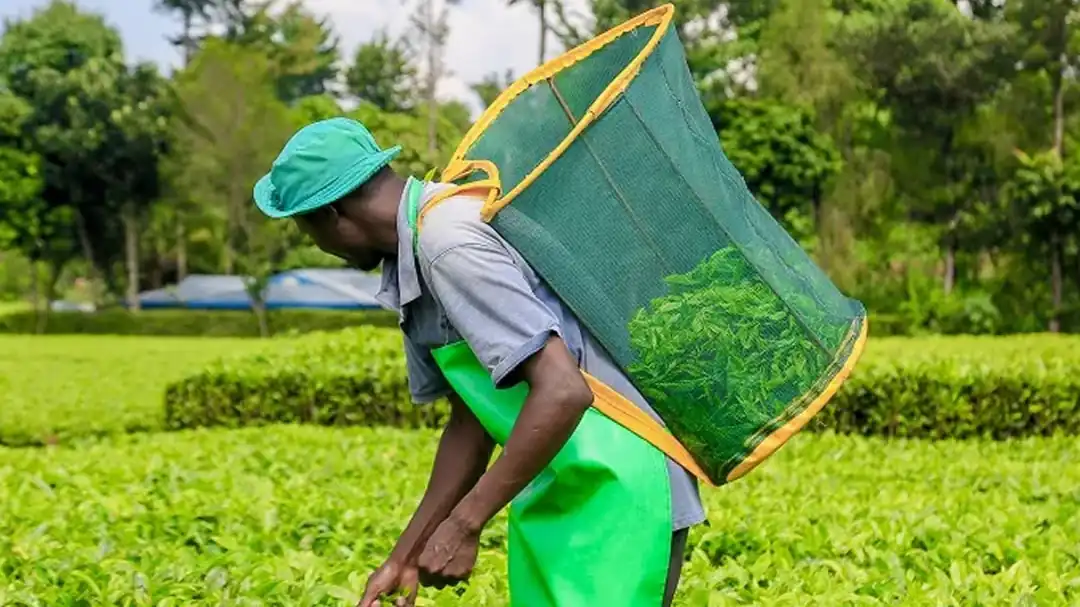
The UK tea supply chain is facing significant production pressure. Unpredictable weather across western Kenya’s growing regions has pushed harvest volumes sharply lower, lifting wholesale auction prices and passing costs through to British supermarket shelves. Kenya supplies around half of all black tea consumed in Britain, which means disruptions in the Kericho and Bomet belt reach household budgets quickly.
Climate volatility is cutting Kenyan tea harvests. Fintea, a grower cooperative operating five sites in western Kenya, reported that production across its cooperatives fell by 30% in May and June compared with what farmers usually harvest during those months, following unseasonal hailstorms, prolonged heat, and erratic monsoons.
A 2025 Fairtrade survey of more than 260 Kenyan tea workers and farmers found that 55% identified changing weather patterns as their biggest challenge. Half of younger tea workers specifically cited climate impacts on production. Kenya supplies around half of all black tea consumed in Britain—making it the country’s most important single tea origin.
British shoppers should expect higher shelf prices and blend adjustments across major black tea brands in the coming months. Because Kenya supplies around half of all tea bags brewed in the UK, a 30% production decline at major cooperatives tightens retail inventories directly. Supply pressure from reduced harvests is already contributing to higher wholesale auction prices, which are passing through to UK retail costs.
Why Extreme Weather Hits the Great Rift Valley Hardest
An unprecedented hailstorm earlier in 2026 damaged thousands of tea plants in Kenya’s Kabartegan growing area, with Fintea estimating losses of between 20,000 and 30,000 kilograms of tea daily over a four-month period. Erratic monsoon patterns and prolonged heat have compounded those losses across the wider Kericho and Bomet belt.
Smallholder farmers who make up the majority of Kenya’s tea sector are bearing the economic consequences. The Independent reported that farmers are seeing little financial benefit from higher prices, with middlemen, brokers and large corporations continuing to absorb most of the profits. Fairtrade’s research found that only one in five Kenyan tea farmers earns enough to cover essential monthly household costs. For the link between British consumer food inflation and global supply chains, see , and for more on Fairtrade’s work with smallholder farmers, see .
The Kenya Tea Development Agency and Tea Board of Kenya have documented the climate pressures facing the sector. Some buyers are responding to the supply situation: Lidl has announced it will source more tea from Fintea on Fairtrade terms.
Fintea’s cooperatives reported that production fell 30% in May and June compared with normal harvest levels in those months, following an unprecedented hailstorm and subsequent weather disruptions. The shortfall represents a significant portion of the high-grade black tea that British blenders source from western Kenya’s high-altitude growing regions.
Why are tea prices rising in British supermarkets?
Severe climate events—including an unprecedented hailstorm, prolonged heat, and erratic rainfall—cut production at Kenyan tea cooperatives by 30% in May and June. Kenya supplies around half of Britain’s black tea, and reduced supply at source is contributing to higher wholesale auction prices passing through to UK retail costs.
The next quarterly tea auction from Mombasa will indicate whether supply pressure has eased or deepened going into winter. UK autumn grocery inflation data will show whether supermarket tea prices continue to climb through the end of the year. Check back as those figures become available.