 Tejal Somvanshi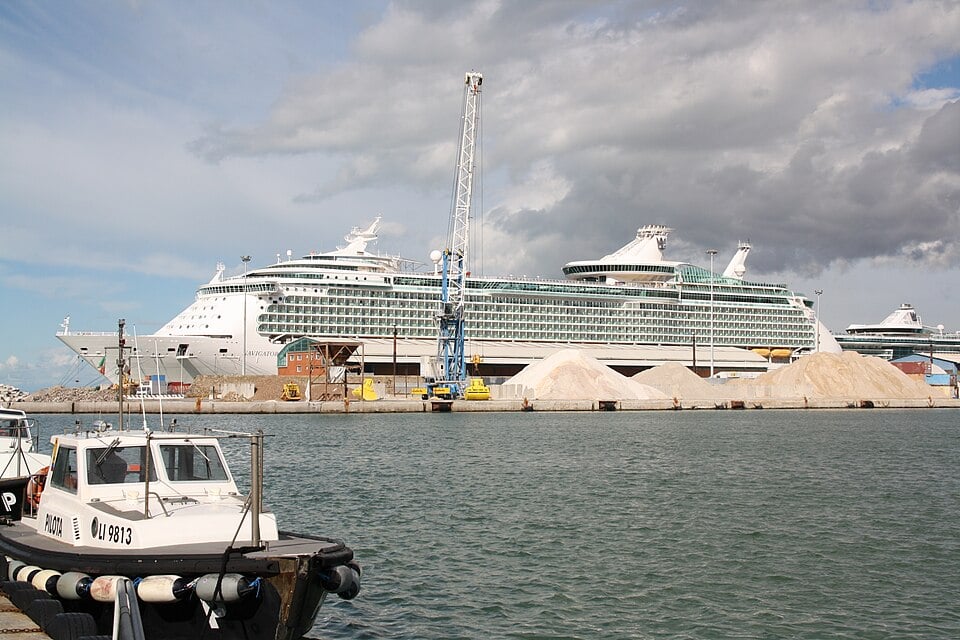
At 3:51 a.m. on September 12, 2026, the Royal Canadian Air Force received a medical emergency call from a cruise ship approximately 125 miles off Port Hardy, British Columbia. The patient — aboard the Celebrity Solstice — was in critical condition.
What Happened
Canada’s 442 Transport and Rescue Squadron, based at 19 Wing Comox, deployed two aircraft in response: a CH-149 Cormorant helicopter capable of open-water hoisting, and a CC-295 Kingfisher fixed-wing aircraft for support coordination. Rescue crews reached the Celebrity Solstice around 7:25 a.m., roughly three and a half hours after the initial call. The patient was hoisted from the ship’s deck along with a travel companion and ship medical staff. The Cormorant flew the group approximately 180 miles to Comox, where the patient was transferred to B.C. Emergency Health Services in critical condition. The patient’s identity and ongoing medical status were not publicly disclosed.
What This Means for Cruise Passengers
Cruise ship medical centers are designed for basic stabilization, not critical inpatient intensive care or advanced surgery. When life-threatening illness strikes at sea, medical evacuation options depend on the vessel’s location, weather, distance from shore and available rescue resources. Travelers should check whether their insurance includes emergency medical evacuation and understand the coverage limits before sailing.
Open-Water Rescue Operations
At the distance the Celebrity Solstice was operating, the rescue required aircraft capable of reaching the vessel and safely conducting an open-water extraction. The CH-149 Cormorant helicopter is specifically designed for this — hovering over a moving ship in open water, lowering rescue technicians by cable hoist, and lifting patients back aboard in variable conditions.
Cruise ship medical bays are equipped to stabilize, not replace hospital-level care. A shipboard medical team can manage an acute cardiac event or traumatic injury in the short term, but intensive surgical care or extended critical monitoring requires an onshore facility. The rescue operation involved Canada’s military search-and-rescue resources. Cases involving cruise line legal liability demonstrate that these companies carry defined responsibilities toward passengers. A Carnival Cruise vessel was ordered to pay $300,000 after documented warning signs were ignored during a passenger welfare incident. The limits of what can actually be treated at sea, however, remain a traveler’s own responsibility to understand and plan for. The documented operational reach of cruise ships at sea illustrates the scope of what these vessels manage routinely — and what they are not equipped to handle.
Coordination and Operation
The CC-295 Kingfisher supported coordination and monitored the medevac. This dual-aircraft operation reflects the distance from shore and the complexity of a pre-dawn extraction in those conditions. Information on Canada’s search-and-rescue operations provides context on how these systems coordinate maritime rescues in Western Canada. Most coastal emergencies do not require this level of asset deployment.
Medical Privacy and Follow-Up
No further information about the passenger’s identity or medical condition was publicly disclosed in the reporting reviewed for this article. Additional context on cruise ship operations and safety standards is available for travelers planning voyages.