 Sunita Somvanshi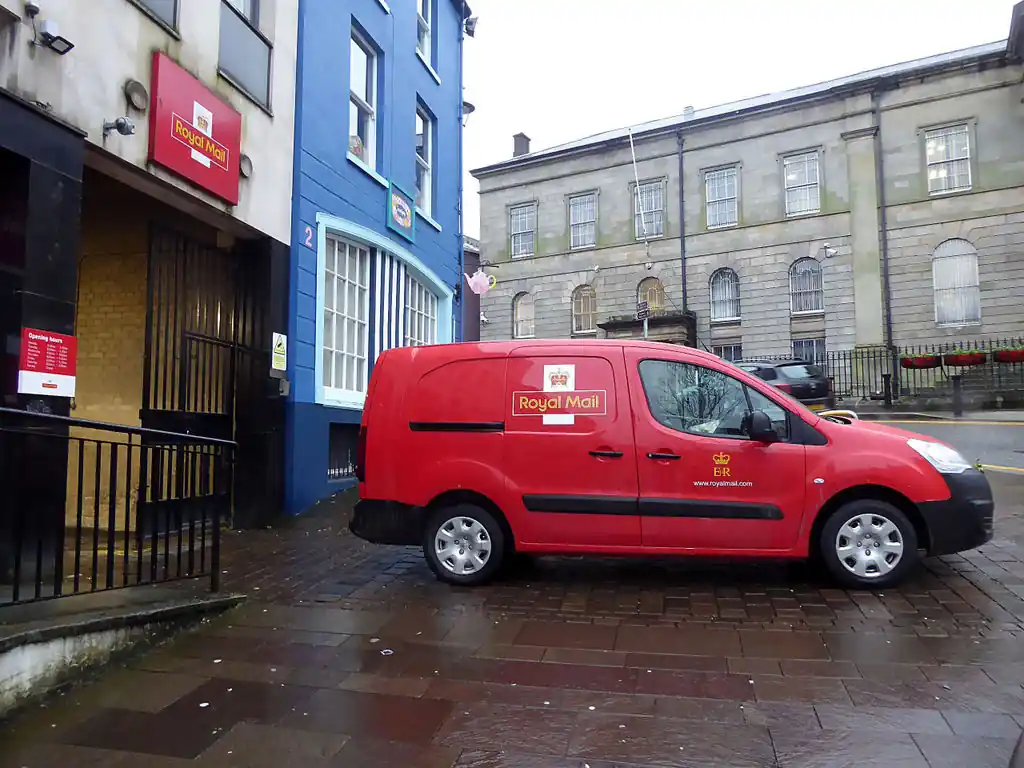
Royal Mail is cutting up to 2,500 jobs in a restructuring that targets head office and support functions. The proposal, announced on October 7 by parent company International Distribution Services, comes as letter volumes have fallen more than 70% from their peak, forcing the company to reshape its cost base as parcel delivery becomes the dominant revenue stream.
Parent company International Distribution Services (IDS), owned by Czech billionaire Daniel Křetínský, confirmed the review affects up to 2,500 roles across head office and central support functions. The cuts are expected through natural attrition and voluntary redundancy, affecting less than 2% of Royal Mail's total workforce. The company has initiated consultations with the Communication Workers Union (CWU). Completion of the restructuring is planned by the end of 2027. The announcement is not a same-day redundancy total: it is the proposed ceiling for a review process that runs through a defined consultation period. Royal Mail has committed to investing £500 million over five years in service improvement as part of its Universal Service reform agreed with Ofcom.
For UK households and small businesses relying on daily postal routes, these 2,500 redundancies are concentrated in head office and central support functions; the company says frontline delivery roles are not part of the proposed reduction. Royal Mail cannot guarantee zero impact on service performance over the course of a restructuring of this scale. Online sellers and residential customers should monitor CWU consultation updates for the clearest picture of any service changes.
Why Royal Mail Is Cutting Management, Not Posties
Letter volumes have collapsed from roughly 20 billion annual items at their peak to far lower levels today. Royal Mail's administrative structure — regional management hierarchies, commercial account teams, and head office functions — expanded alongside those letter revenues. As that income contracts, the company now competes on next-day parcel delivery, which runs on leaner, technology-driven routing systems.
The £500 million five-year service improvement commitment covers Royal Mail's obligations under its revised Universal Service reform with Ofcom. Reducing head-office headcount reduces the cost base without cutting delivery capacity. Separately, Ofcom has already changed second-class letter delivery obligations to alternate weekdays, removing some of the Universal Service costs the company previously carried.
The CWU has previously clashed with Royal Mail management in high-profile pay disputes. The outcome of consultations over the coming weeks will indicate whether the transition remains stable or moves toward industrial friction. Small business owners who rely on guaranteed delivery windows should monitor any CWU ballot announcements during the consultation period.
On whether Royal Mail deliveries will be delayed by the 2,500 job cuts: Royal Mail says the planned reductions apply to head office and central support functions and that frontline delivery roles are not part of the proposed reduction. The company has not issued a formal guarantee on service performance outcomes, so customers should monitor updates as the consultation progresses.
Formal consultation with affected staff is underway, targeting completion by the end of 2027. Union responses and any ballot announcements from the CWU will indicate whether the transition remains orderly. Watch for consultation deadline dates and any named teams for the clearest picture of which roles are affected.
Related coverage: corporate workforce restructuring; UK employment consultation standards. For primary-source context, see Ofcom postal services guidance.