 Govind Tekale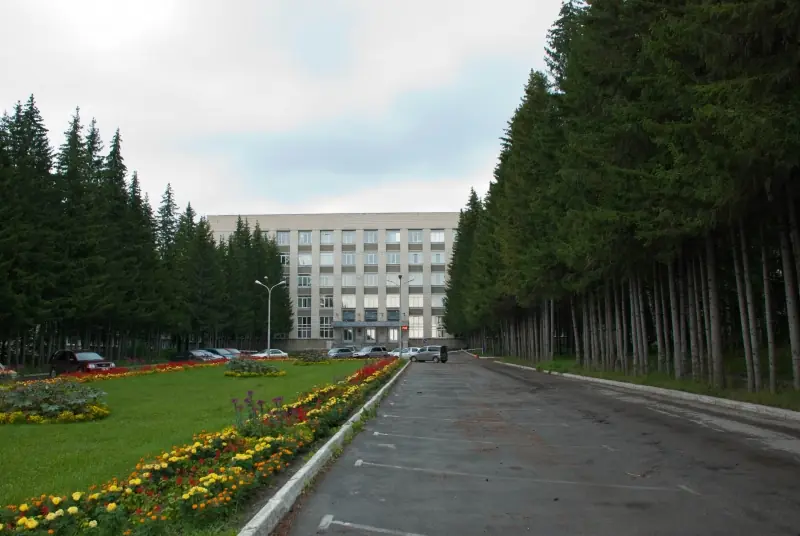
The World Health Organization has requested further information from Russian authorities following the death of a researcher at Russia's Irkutsk Anti-Plague Research Institute, including details on the pathogen, the circumstances, and the public-health measures taken. The investigation is now drawing direct US attention: Secretary of State Marco Rubio has called on Russia to share more information, and President Trump said the US was prepared to help and described the situation as a serious problem for Russia. Since our initial report on October 6, the situation has moved from a regional quarantine matter to one with active international scrutiny.
The laboratory technician died in Shelekhov, near Irkutsk, on October 2, 2026. She worked at the Anti-Plague Research Institute of Siberia and the Far East, which conducts anti-plague research and public health surveillance, tracking naturally occurring plague reservoirs in rodent and marmot populations across the region. Russian health agency Rospotrebnadzor confirmed that around 200 contacts were placed under observation following her death. Official records list the cause as "pneumonia of unknown etiology." Russian authorities maintain there is no epidemic risk in the surrounding population. Reports of a second employee with pneumonia have not been independently confirmed by Russian health authorities.
For international travelers and global observers, WHO assesses the overall public-health risk as low; no formal travel advisories have been issued. World Health Organization surveillance remains at an investigative stage with no emergency declarations issued. Plague is treatable with antibiotics, including streptomycin and doxycycline, when diagnosed promptly, meaning the primary risk remains occupational within the facility rather than a public epidemic.
What the Diagnostic Timeline Reveals
The facility's name has done most of the work in driving international alarm. What the diagnostic record shows is more layered. Among the contacts placed under observation, official reports note isolated COVID-19 and rhinovirus findings — common seasonal pathogens circulating in Siberia in early October. Negative viral screens for COVID-19 and rhinovirus do not yet eliminate atypical bacterial pneumonia as the cause of death.
The institute conducts anti-plague research and public health surveillance, tracking naturally occurring plague reservoirs in rodent and marmot populations across Siberia's wild habitat. Its researchers work in proximity to live pathogens as a routine occupational reality, and its quarantine protocols exist precisely for these exposure scenarios. Russia's health watchdog has stated that extensive testing found no evidence linking the worker's illness to any pathogen worked on at the institute. WHO has requested further information from Russian authorities, including pathogen confirmation, the exposure timeline, and the outcome of full bacterial cultures.
On whether pneumonic plague spreads between people: pneumonic plague is the most dangerous form of plague because it infects the lungs and can spread directly from person to person through airborne respiratory droplets. Unlike bubonic plague, which requires flea bites or animal contact, pneumonic plague requires immediate isolation and prompt antibiotic treatment as soon as possible after symptom onset.
Full bacterial culture results and the WHO's formal epidemiological assessment are pending. The post-mortem findings, once confirmed, will determine whether this remains an isolated occupational incident or triggers any revision to the current low-risk assessment.
Related coverage: official investigation into the Siberian lab worker death; global disease surveillance gaps. For primary-source context, see WHO technical guidance on plague.