 Tejal Somvanshi
The World Health Organization is coordinating with Russian health authorities following the death of a female laboratory worker at a Siberian anti-plague monitoring institute and reports of a second person showing similar symptoms. Both developments have emerged since the initial Siberian lab researcher quarantine reports were filed, bringing the case into formal international biosecurity review for the first time.
The researcher worked at the Irkutsk Anti-Plague Research Institute and died after presenting with severe acute respiratory distress. Russian health authorities (Rospotrebnadzor) quarantined direct contacts and placed dozens of people under active surveillance. A second individual who developed febrile respiratory symptoms has since been hospitalized for precautionary isolation rather than as a confirmed secondary infection. WHO is coordinating with Russian authorities under standard international health protocols. The United States formally requested additional information from Russian health authorities through diplomatic channels.
For international observers and health monitors, this remains an isolated institutional biosecurity investigation rather than an emerging outbreak. WHO’s assessment of international risk remains low. The outcome depends on laboratory results, which will help clarify the diagnosis and chain of exposure.
Endemic Wildlife Foci and Containment Context
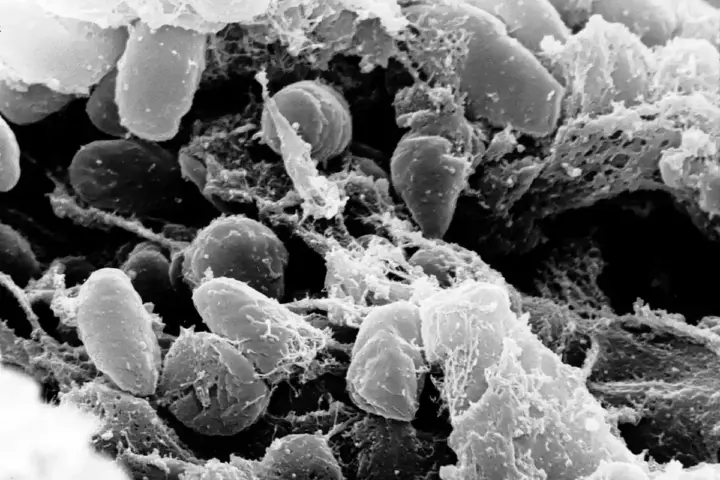
Siberia is home to natural, long-established reservoirs of Yersinia pestis—the bacterium responsible for plague—in wild rodent populations across the Altai and Baikal regions. The anti-plague research institute exists specifically to monitor these reservoirs and respond to any spill-over into human populations. That is the facility’s routine function; this is not equivalent to an uncontrolled laboratory biosafety failure.
Rospotrebnadzor’s initial screening found no evidence of infectious disease transmission among exposed contacts. The second hospitalized individual is a family member, not a colleague. Climate shifts and rodent population cycles across the Siberian steppe influence how active natural plague foci are in any given season, and the institute monitors precisely these dynamics.
Plague responds well to standard antibiotics when detected early, according to WHO. The investigation exists to verify the diagnosis and confirm the chain of exposure, not to signal a global emergency.
Did the Russian lab worker die from pneumonic plague?
Russian health authorities attributed the death to pneumonia and acute respiratory viral infection in preliminary findings. Confirmatory microbiological analysis is still under way. WHO is coordinating with Russian authorities to investigate the possible case. No confirmed diagnosis of pneumonic plague has been announced by either Rospotrebnadzor or the WHO.
Final clarity will come from laboratory pathology results and completion of the contact monitoring period. Check back for updates as official communications become available.