 Karmactive Staff
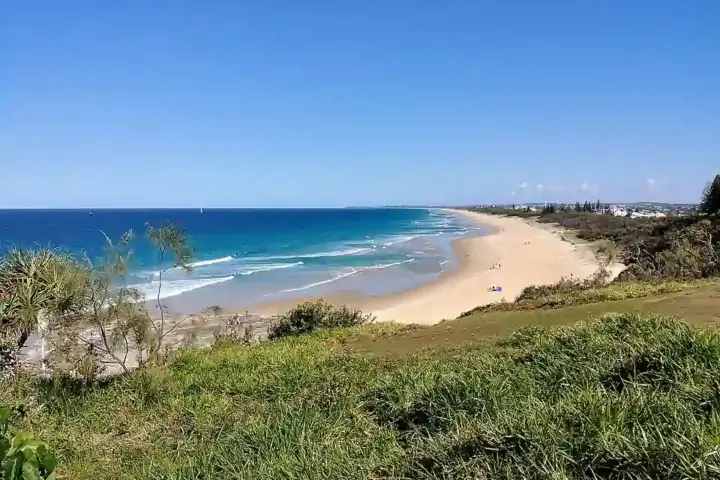
Beach fires are prohibited under Noosa Shire Council's Subordinate Local Law No. 4, which covers all council-controlled land including beaches and foreshores. The warning behind the prohibition is specific: covering a beach campfire with sand does not put it out. It hides it.
Queensland coastal councils have issued public safety warnings about subsurface coal temperatures following incidents where sand-covered fire sites remained dangerous hours after fires appeared fully extinguished from above. Noosa Shire Council's ban reflects those broader safety findings across the region.
Visitors heading to Noosa beaches face on-the-spot fines for lighting fires outside designated park barbecue facilities. Parents should make children wear footwear along upper high-tide sand areas and near any disturbed sand that could conceal buried coals. The correct method for extinguishing any permitted fire is water, applied thoroughly until coals are cold to the touch, not sand.
Sand behaves like a thermal insulator rather than an extinguisher. Unlike water, which dissipates heat by absorbing it, a sand cover traps the fire's residual heat and prevents the full cooling that would otherwise render coals inert. Subsurface coals in sand-covered fire sites can remain at temperatures capable of causing serious contact burns long after no visible smoke or flame is present—without any surface warning a beachgoer would recognize.
Why should you extinguish beach campfires with water instead of sand?
Covering a fire with sand traps thermal energy rather than dissipating it, keeping coals at dangerous temperatures without visible smoke. Dousing fires thoroughly with water dissipates thermal energy and cools embers, preventing hidden burn hazards for barefoot beach walkers and children.
To report an active beach fire in Noosa, contact the council or call Queensland Fire and Emergency Services on 000 if the fire is spreading.