 Tejal Somvanshi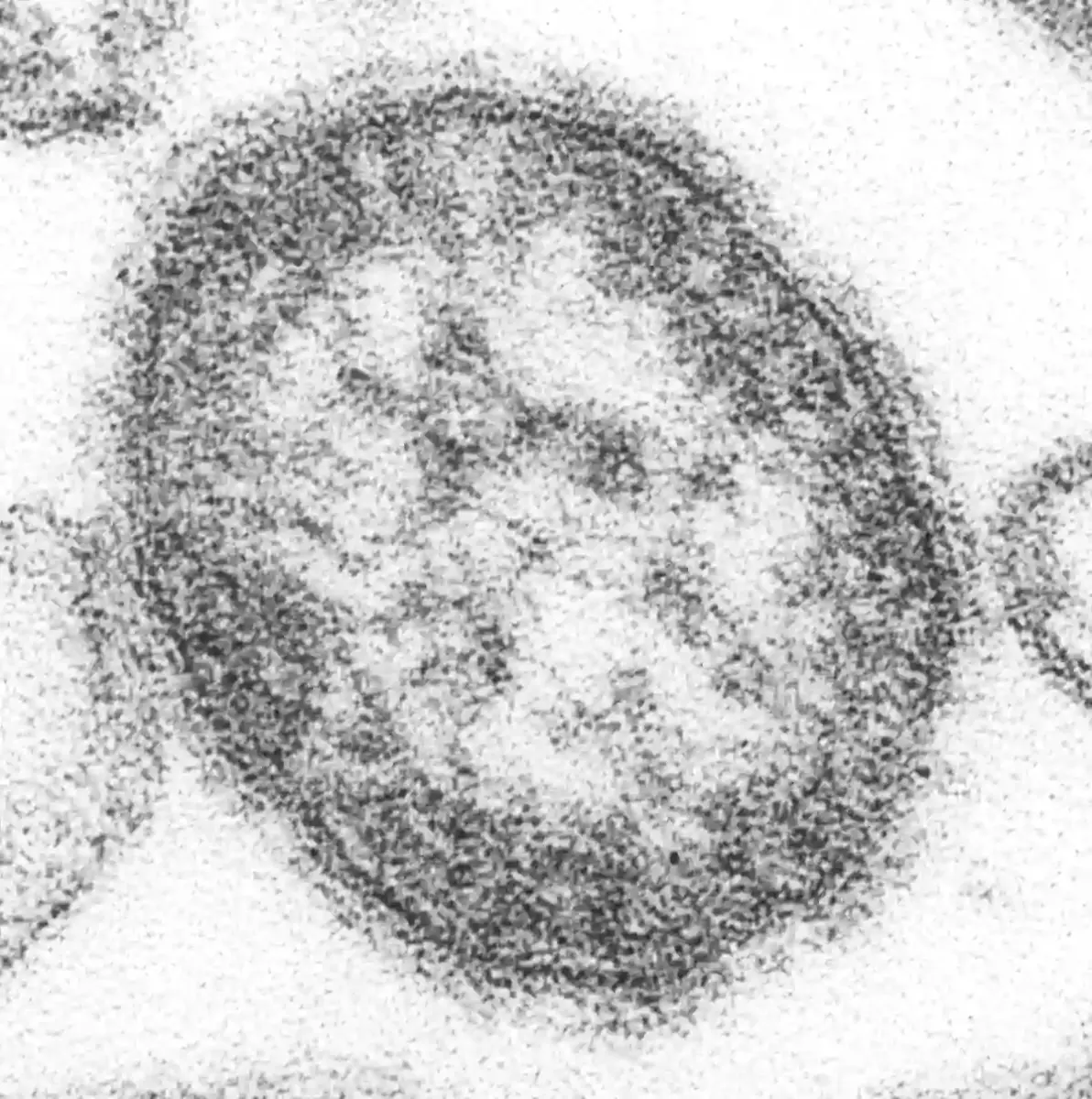
Pennsylvania has reported 1,004 confirmed measles cases, the first US state to cross that threshold in a single outbreak in decades—making it the largest state outbreak in more than three decades, according to AP. The state's Department of Health confirmed five deaths and 198 hospitalizations. The outbreak spans 39 counties, with the heaviest concentration in southeastern Pennsylvania.
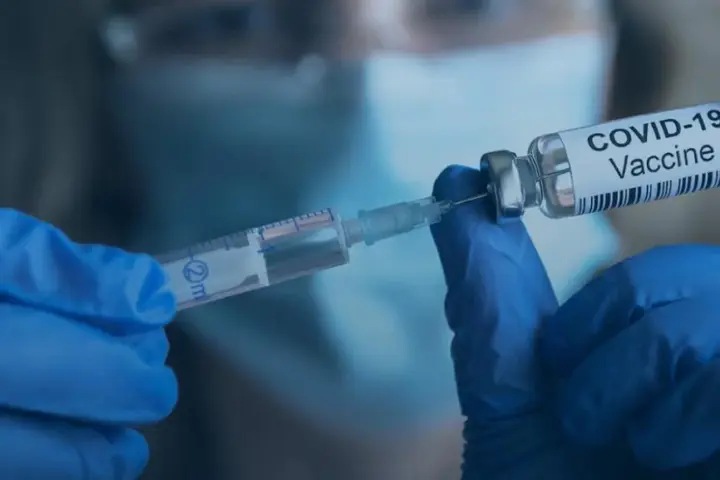
State health guidance advises that adults who received only one dose of MMR vaccine, or who are uncertain about their immunization records, should consult a healthcare provider or pharmacist about an MMR booster or a titer test, particularly before visiting medical clinics, hospitals, or high-density indoor venues where transmission risk is elevated.
Exposed, unvaccinated children face quarantine requirements under applicable public-health exclusion orders—contact the Pennsylvania Department of Health or your local health authority for the conditions and duration that apply to your area, as these are governed by exposure-specific orders rather than a single statewide rule.
Who is most at risk
Pennsylvania's outbreak data shows the vast majority of infected individuals had not been vaccinated or had unknown vaccination status. Adults who received a single-dose childhood vaccination schedule before the CDC moved to a two-dose standard may have reduced protection during high-transmission conditions. If you received one MMR dose as a child and are uncertain whether you received a second, speak with a healthcare provider.
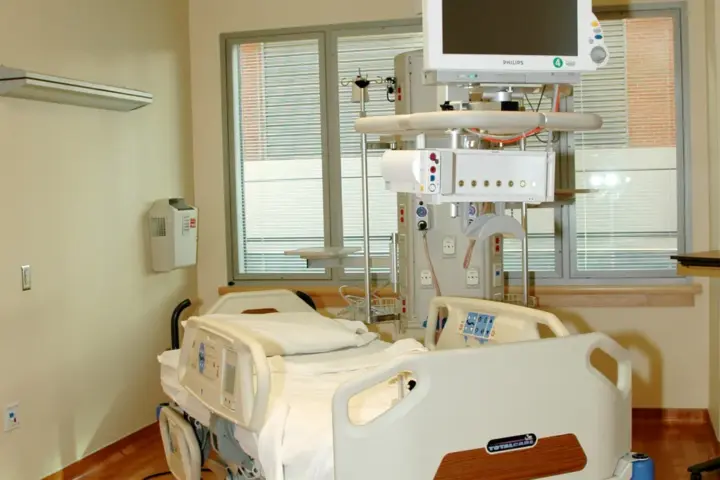
The healthcare exposure pathway also warrants attention. Because measles spreads through airborne droplets and the virus can remain infectious in air and on surfaces for up to two hours after an infected person exits an area, a clinic waiting room where an infected patient was present earlier in the day poses a risk to subsequent unvaccinated visitors who never make direct contact. The Pennsylvania Department of Health recommends calling ahead before visiting any clinical facility if you suspect exposure, so staff can arrange appropriate isolation measures before arrival.
Families in Pennsylvania and adjacent mid-Atlantic counties who are uncertain about their vaccination status can contact their healthcare provider for a titer test or a booster. The CDC and Pennsylvania Department of Health both maintain current guidance on exposure windows, symptoms to watch for, and when emergency care is appropriate. Context on how global vaccination gaps have enabled measles resurgences in other settings is available in Karmactive's coverage of the [Bangladesh measles outbreak](https://www.karmactive.com/bangladesh-measles-outbreak-vaccination-gaps-children/), and earlier reporting on [measles exposure notices at Philadelphia International Airport and CHOP](https://www.karmactive.com/philadelphia-airport-and-chop-measles-exposures-dates-locations-and-what-to-do/) provides practical context for Pennsylvania readers.
How long can measles linger in the air after an infected person leaves?
Measles virus can remain infectious in indoor airspace for up to two hours after an infected person exits the area. The virus spreads through microscopic airborne droplets, so direct face-to-face contact is not required to transmit the disease to unvaccinated individuals who enter the same space afterward.
The Pennsylvania Department of Health is updating case counts as new reports are confirmed. The next state advisory will carry the most current figures.