 Tejal Somvanshi
The death of former NFL lineman Jordan Devey has prompted public tributes and questions about how athletes cope after their careers end. This article does not explain his death. It looks at what published research says about athlete mental health and the support gaps that matter most.
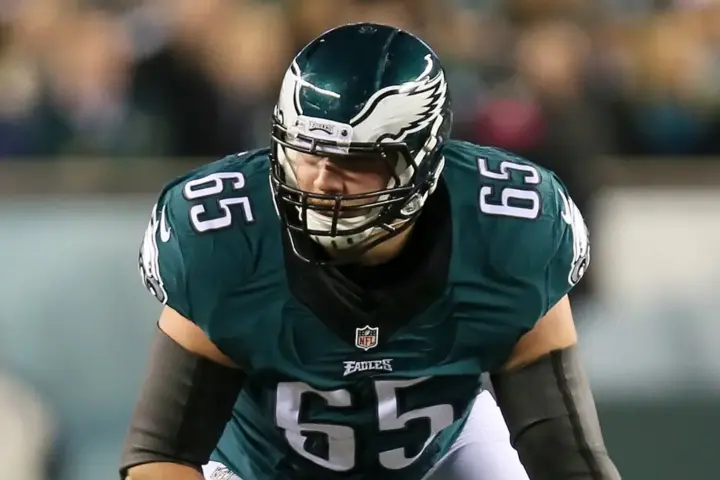
Former NFL offensive lineman Jordan Devey died in July 2026, at age 38, according to reports. His wife, Linsey, marked his death publicly on social media. A GoFundMe campaign created by his family states that he died by suicide. His parents have said they believe he may have had chronic traumatic encephalopathy (CTE), though no official diagnosis has been made. Devey played for the New England Patriots, winning Super Bowl XLIX, and later for the 49ers, Chiefs, Raiders and Bills. He retired in 2021. This article does not assess his circumstances beyond what his family and reports have stated.
The NCAA's student-athlete health and wellness study surveyed about 23,000 student-athletes in 2022–23. It found that mental health concerns improved from 2020 but remained elevated. Academics, future planning and finances were among the leading stressors. These findings describe student-athletes, not professional players, and they do not measure Devey's situation.
If you are an athlete, parent or coach worried about someone, ask directly and listen. Contact a school or team welfare lead, or a qualified clinician. Do not treat public tributes or social media posts as medical evidence about any person.
What the NCAA data shows, and what it does not
The most useful finding is about structure rather than a single number. Support depends on access, culture and transitions. Transitions out of sport, such as retirement, are a general concern to watch. They are not a finding of the NCAA study.
The NCAA says schools in all divisions are legislatively required to provide student-athletes mental health resources and education consistent with its Mental Health Best Practices. That is a policy requirement. It is not evidence that any particular athlete was helped or not helped.
Think of a team's injury report. Regular check-ins can create opportunities to raise concerns early.
If someone may be at immediate risk, call 999 in the UK or 911 in the US. In the US, you can also call or text 988 for the Suicide & Crisis Lifeline at any time.
Mental health support for athletes depends on access, culture and timing. Ask the people around you, know where to find help and act early when someone seems changed.