 Sonali Tiwary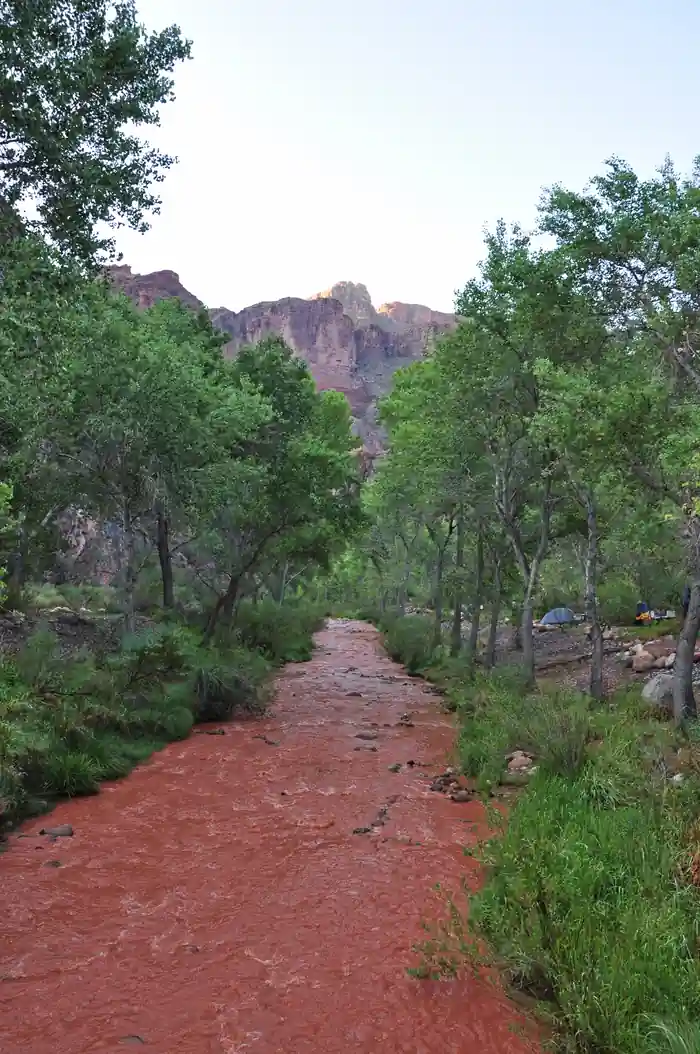
A monsoon thunderstorm turned deadly in Grand Canyon National Park. Two hikers are dead, one remains missing, and nearly all footbridges across Bright Angel Creek were destroyed in flash flooding on August 29, 2026.
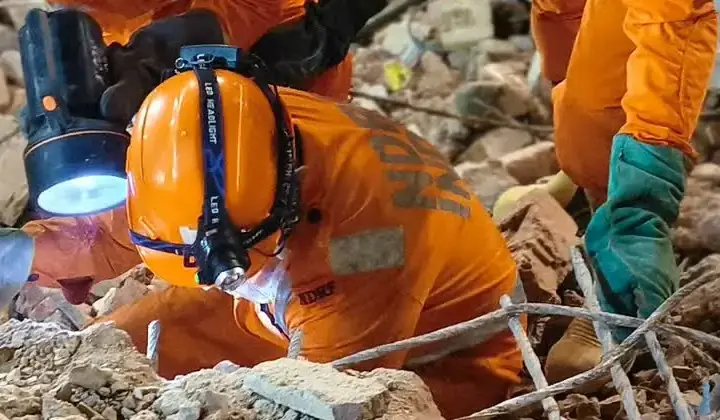
John Giusti, 46, and Brent Rosenkranz, 42—both with ties to Granbury, Texas—were recovered and identified after the flood swept through Bright Angel Canyon. A third member of their hiking group, Timothy Allen Smith, remains missing. Search and rescue operations continue, but the scale of infrastructure damage makes recovery efforts hazardous.
Why desert monsoons are lethal
The Grand Canyon sits in Southwest desert terrain where rainfall logic works differently than in other places. Rain that falls on the Kaibab Plateau funnels into narrow canyon drainage channels within minutes. The arid, sparsely vegetated environment has limited capacity to absorb intense rainfall, allowing runoff to move rapidly through steep and narrow canyon terrain. When thunderstorms dump heavy rain over these surfaces, water rushes downhill violently, carrying debris.
A hiker standing peacefully in a dry wash under blue skies can be swept away by a wall of muddy water they never saw coming. The flood happens miles away upstream but moves fast enough that warning time can be extremely limited.
The infrastructure toll
Nearly all footbridges spanning Bright Angel Creek are now destroyed. The Trans-Canyon Waterline—a 16-mile utility pipe supplying drinking water from Roaring Springs to both the South and North Rims—had already suffered a break near Cottonwood Campground in early August. The August 29 flood added extensive damage to the pipeline, with park officials estimating about 40% of the pipeline was affected. The Colorado River was temporarily closed to river traffic because debris and damaged structures create navigation hazards.
Phantom Ranch is closed. The North Kaibab Trail, a major hiking route, remains shut. Bright Angel Campground is closed. The inner-canyon water systems are compromised. Damage assessments are ongoing, and the National Park Service has not provided an estimated reopening date for the major affected areas.
What this means for visitors now
If you were planning a Grand Canyon backcountry trip, certain areas are inaccessible right now. The National Park Service is managing ongoing closures and providing updates on their official alerts page. Checking before you go isn’t optional—it’s essential.
Wildfire connection
Here’s a detail that ties back to earlier wildfires. The Dragon Bravo Fire, which burned through the North Rim’s watershed in the summer of 2025, stripped vegetation that would normally slow water runoff. NPS says the Dragon Bravo Fire affected several watersheds and increased the risk of flash floods and debris flows during heavy rainfall. The combination of burned terrain and monsoon moisture created conditions where runoff moved faster and carried more debris than unburned areas.
Safety protocol that saves lives
If you’re hiking in canyons during monsoon season (July through September), do this: monitor National Weather Service forecasts before descending. At the first sound of rushing water or sudden changes in stream behavior, move immediately to high ground. Never shelter under overhangs or in dry washes—those channel floodwater directly at you. High ground, away from drainage channels, is survival.
This tragedy caught hikers in extreme conditions with very limited warning time. That’s why preparation and real-time monitoring matter more in wilderness than anywhere else.