 Govind Tekale
On August 24, 2026, a sudden afternoon thunderstorm transformed Bryce Canyon National Park into a dangerous landscape. Flash flooding swept across the park’s iconic trails, stranding 11 hikers across four separate groups. The National Weather Service issued a flash-flood warning at 2:43 PM MDT, reporting thunderstorms with heavy rainfall and up to 2 inches of rain expected.
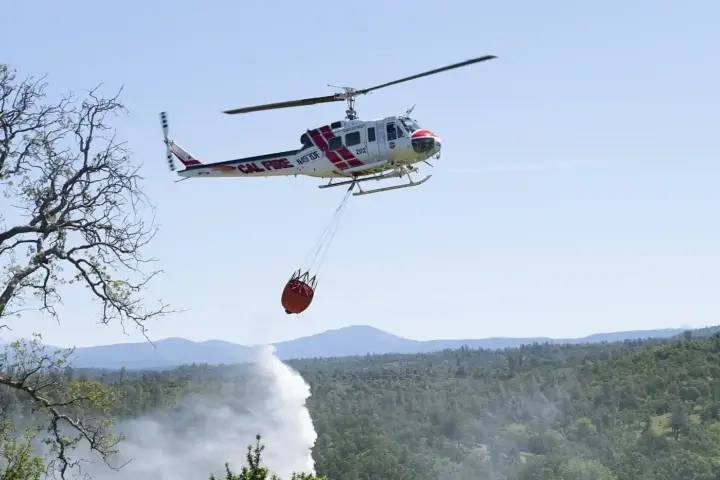
Hikers on Fairyland Loop, Navajo Loop, Queen’s Garden and Peekaboo Loop trails found themselves trapped as water rushed through slot canyons. Rescue teams from the Garfield County Sheriff’s Office and National Park Service responded immediately. All 11 visitors were evacuated; two were transported to a medical facility for treatment of hypothermia, while nine others were evaluated on-site and released.
The flash flooding caused mudslides and rockfalls across multiple trails. Due to trail scouring and safety concerns, the National Park Service temporarily closed Wall Street, Navajo Loop and Bryce Connector trails for inspection. Runoff downstream also prompted a precautionary boil water order in the nearby community of Tropic, Utah.
The incident highlights monsoon season risks at Bryce Canyon. From July through September, rapid weather changes can produce sudden afternoon storms, debris-laden waterfalls and trail washouts. The NPS advises visitors to monitor weather forecasts, check upstream conditions, and never enter flooded areas or bypass trail closures.
Before hiking Bryce Canyon during monsoon season, visitors should check the latest National Park Service alerts and National Weather Service forecasts. Have a flexible itinerary that allows for weather delays, and be prepared for sudden temperature drops that can trigger hypothermia even in summer months.