If you’re between 25 and 45 and have been dismissing persistent stomach problems, unexpected weight changes, or rectal bleeding as stress or poor diet, new international research suggests that’s the wrong call. Cancer rates among adults under 50 have climbed globally over three decades, and the core problem isn’t that cancer has become common in young people — it’s that it is being caught too late when it does occur.
A major analysis published in BMJ Oncology found that early-onset cancer incidence — cases in people under 50 — increased approximately 79% globally between 1990 and 2019, rising from 1.82 million cases to 3.26 million. Among these, breast cancer carried the highest incidence and mortality rates globally in the under-50 population. Researchers identified the main underlying risk factors as diets high in red meat and salt and low in fruit and milk, alcohol consumption, tobacco use, physical inactivity, excess weight, and elevated blood sugar.
Because routine screening guidelines still exclude most adults under 45, younger patients must advocate firmly for diagnostic workups when experiencing unexplained rectal bleeding, persistent abdominal cramping, or bowel changes lasting over two weeks. Symptoms in younger patients are regularly attributed to less serious conditions before cancer is considered. Requesting a simple non-invasive fecal immunochemical test (FIT) or colonoscopy referral can identify pre-cancerous polyps before malignant transformation occurs.
What “79% Rise” Actually Means
The headline number requires context. Global cases of early-onset cancer more than doubled over 29 years, but the rise is measured against a relatively low baseline. The real clinical concern is not that cancer has become common among young adults — it hasn’t. The problem is that when cancer does develop in younger people, it tends to be detected at a more advanced stage because both patients and clinicians are not looking for it.
Patient registry data shows diagnostic delays among 25- to 45-year-olds, whose symptoms are frequently attributed to other conditions first. The study projects that early-onset cancer rates will continue increasing by approximately 31% through 2030, with deaths from early-onset cancers rising by approximately 21%.
Which Cancers Are Rising — and the Risk Factors the Study Identified
Breast cancer carries the highest early-onset incidence and mortality globally. Cancers of the nasopharynx and prostate showed the fastest rate of increase since 1990. Colorectal, stomach, and lung cancers are also among the highest overall burdens in the under-50 category.
The study’s identified risk factors are specific: diets heavy in red meat and salt but low in fruit and dairy; alcohol; tobacco; physical inactivity; and elevated body weight and blood sugar. Genetic factors are also noted as likely contributors. These are the factors the study’s data links to the observed trends — researchers did not establish microplastics or specific food additives as demonstrated causes in this dataset.
The US lowered its routine colorectal screening recommendation from age 50 to age 45 for average-risk individuals. The UK and much of Europe still begin colorectal screening at 50 or 55, a discrepancy that international researchers say warrants review.
What to Do If You’re Under 45
In the United States, anyone at average risk should begin colorectal screening at 45. For those with a family history of colorectal cancer, screening guidelines generally recommend starting earlier — the specific timing depends on the number of affected relatives, their ages at diagnosis, and other individual risk factors; a GP or gastroenterologist can advise on the appropriate schedule.
For UK and Australian readers, current NHS and state health guidelines have not yet lowered colorectal screening ages to match the US. Symptomatic patients in any country can request a FIT test or specialist referral. A GP’s dismissal of symptoms in a younger patient is not a final answer. Referencing the published BMJ Oncology data on early-onset trends, and asking specifically about diagnostic testing options, is a reasonable approach.
*Which cancers are increasing fastest in people under 50?* Breast cancer carries the highest early-onset incidence and mortality globally. Nasopharyngeal and prostate cancers showed the fastest rates of increase since 1990. Colorectal, stomach, and lung cancers are among the highest overall burdens in the under-50 category, per BMJ Oncology and World Cancer Research Fund data.
*What risk factors does the research actually link to rising early-onset cancers?* The BMJ Oncology study identified diets high in red meat and salt (low in fruit and milk), alcohol, tobacco, physical inactivity, excess body weight, and elevated blood sugar as the main underlying risk factors — alongside genetic susceptibility.
*At what age should adults start cancer screening?* In the United States, routine colorectal screening starts at 45 for average-risk individuals. Those with a family history should discuss earlier screening with their doctor, as timing depends on multiple individual factors. Adults with ongoing symptoms — rectal bleeding, unexplained weight loss, persistent abdominal pain — should request evaluation at any age.
\
\ .karmactive-push-footer { max-width: 720px; margin: 32px auto 0; padding: 22px 24px; border-radius: 14px; background: \#f0f4f8; border: 1px solid \#d8e4ea; text-align: center; font-family: \-apple-system, BlinkMacSystemFont, “Segoe UI”, Roboto, sans-serif; } .karmactive-push-footer h4 { margin: 0 0 6px; font-size: 1.15rem; color: \#102a43; } .karmactive-push-footer p { margin: 0 0 16px; font-size: 0.92rem; color: \#4a5568; line-height: 1.5; } .karmactive-push-actions { display: flex; gap: 10px; justify-content: center; flex-wrap: wrap; } .karmactive-push-btn { display: inline-flex; align-items: center; gap: 6px; min-height: 44px; padding: 10px 20px; border: 0; border-radius: 999px; font-size: 0.92rem; font-weight: 700; cursor: pointer; text-decoration: none; transition: transform 0.15s ease, box-shadow 0.15s ease; } .karmactive-push-btn:hover { transform: translateY(-2px); } .karmactive-push-btn:active { transform: translateY(0); } .karmactive-push-btn.primary { background: \#63b89c; color: \#082032; box-shadow: 0 6px 16px rgba(99, 184, 156, 0.35); } .karmactive-push-btn.secondary { background: \#fff; color: \#102a43; border: 1.5px solid \#d8e4ea; } .karmactive-push-status { margin-top: 12px; font-size: 0.84rem; color: \#5a6e7e; min-height: 1.2em; } @media (max-width: 600px) { .karmactive-push-footer { margin-left: 0; margin-right: 0; border-radius: 10px; padding: 18px 16px; } .karmactive-push-actions { flex-direction: column; } .karmactive-push-btn { width: 100%; justify-content: center; } } \
\
\
\
\
🔔 Enable push notifications
\
Subscribe by email
\
\
\
\
\
(function () {
var btn \= document.getElementById(‘karmactivePushBtn’);
var status \= document.getElementById(‘karmactivePushStatus’);
if (\!btn) return;
function setStatus(msg) {
if (status) status.textContent \= msg;
}
function fallback() {
setStatus(‘Push notifications are not supported in this browser. Try the email option above.’);
}
btn.addEventListener(‘click’, function () {
try {
/\* OneSignal v16+ deferred SDK \*/
if (window.OneSignalDeferred && Array.isArray(window.OneSignalDeferred)) {
setStatus(‘Opening notification prompt…’);
window.OneSignalDeferred.push(function (OneSignal) {
if (OneSignal && OneSignal.Notifications && typeof OneSignal.Notifications.requestPermission \=== ‘function’) {
OneSignal.Notifications.requestPermission()
.then(function () {
setStatus(‘You will receive push notifications when new articles are published.’);
})
.catch(fallback);
} else {
fallback();
}
});
return;
}
/\* OneSignal direct object \*/
if (window.OneSignal && OneSignal.Notifications && typeof OneSignal.Notifications.requestPermission \=== ‘function’) {
OneSignal.Notifications.requestPermission()
.then(function () {
setStatus(‘You will receive push notifications when new articles are published.’);
})
.catch(fallback);
return;
}
/\* Older OneSignal SDK \*/
if (window.OneSignal && typeof OneSignal.push \=== ‘function’) {
setStatus(‘Opening notification prompt…’);
OneSignal.push(function () {
if (typeof OneSignal.showSlidedownPrompt \=== ‘function’) {
OneSignal.showSlidedownPrompt();
} else {
fallback();
}
});
return;
}
fallback();
} catch (e) {
fallback();
}
});
})();
\

Latest from Health
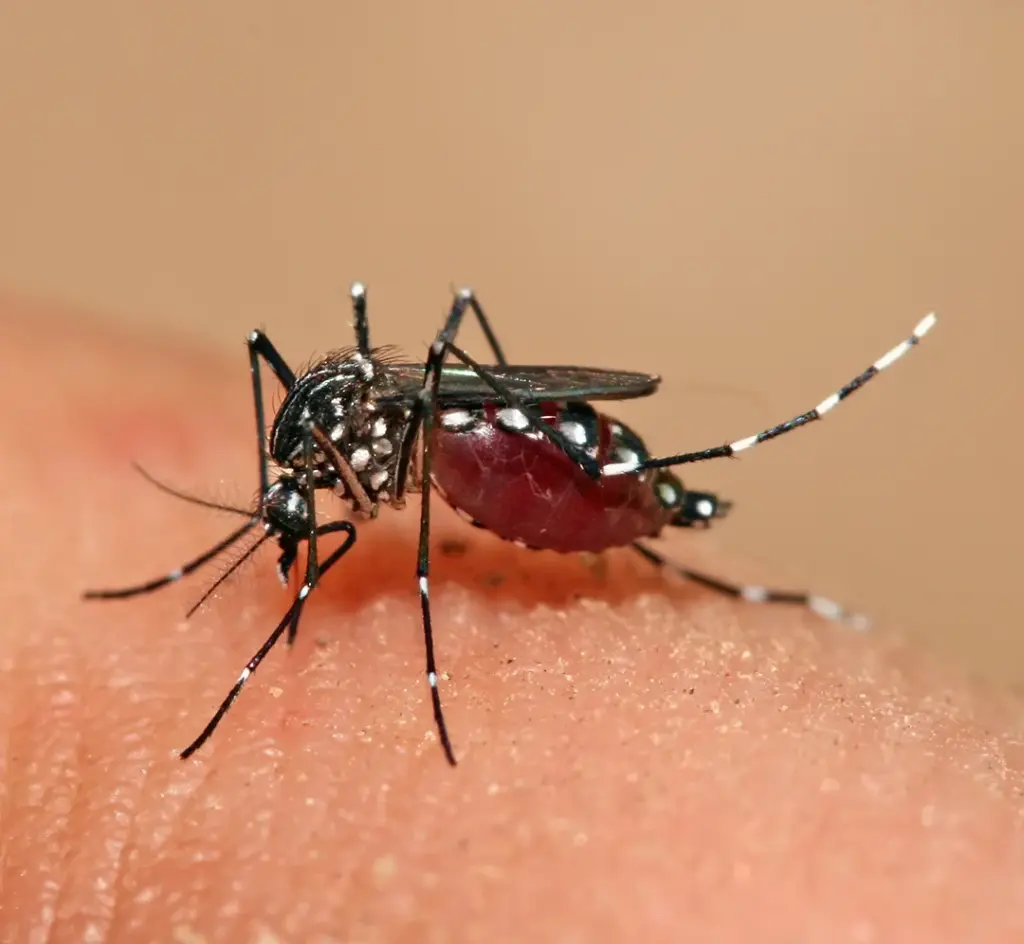
Broward dengue case: what Florida residents should know about local mosquito transmission

2026 Nobel Prize Honors Optogenetics: How Light Can Control Brain Cells
Russian Plague Lab Death Remains Unconfirmed as U.S. Says It Is Willing to Help

Four Daily Habits Slow Muscle Loss as You Age; Progressive Resistance is Key

Healthy Festival Foods: Avoid Deep-Fried Durga Ashtami Offerings

Nathan Charles, Rugby’s Only Known Elite Player With Cystic Fibrosis, Diagnosed With MND at 37

Sustainable Rangoli: Natural Colors for Dussehra Celebrations

Bike Saddle Nose-Down Tilt May Ease Numbness — UCI Competition Rules Cap Angle Under 9 Degrees

Alan Alda at 90: “It’s Just a Hobby” — 12 Years Living With Parkinson’s, Still Working and Juggling
28.3% Weight Loss, 65% Below BMI 30: Eli Lilly’s Retatrutide Phase 3 Data Just Reset the Bar for Obesity Drugs

York Potty-Training Pilot Cuts Unprepared Reception Children From 11% to 6% — Suffolk Considers Rollout
High LDL Is Dangerous Even in Fit, Healthy People — What Cardiologists Say About the Viral Claims

AI Skin Cancer Triage Freed the Equivalent of 8,500 NHS Dermatology Appointments in 16 Months

CPSC Recalls 37,000 Squishy Toys Over Fatal Water Bead Ingestion Risk — Check Models 3655 and 3984