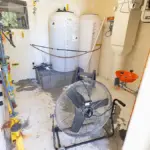
EPA and CBP Block Over 490,000 Pounds of Illegal Pesticides and Hazardous Imports in Southern Border Push

If you buy weed killer, insect spray, or garden chemicals in the United States, you need to know they are legal and safe to use. Since January 2026, EPA and CBP inspectors have stopped over 490,000 pounds of illegal pesticides and other products that broke federal rules at the Texas border. The goods never reached U.S. store shelves.
For shoppers, the risk is practical. Pesticides sold in the U.S. must be registered with EPA, which reviews the product label and its directions for safe use. A product that skips registration has no approved label, so users may not know how much to apply or how close it can get to food.
EPA says these products can injure people, leave residues on food crops, and harm the environment. Food contamination can also reach shoppers through other routes, as in the recent Lunch Box biscuit recall in North Carolina, South Carolina, and Virginia.
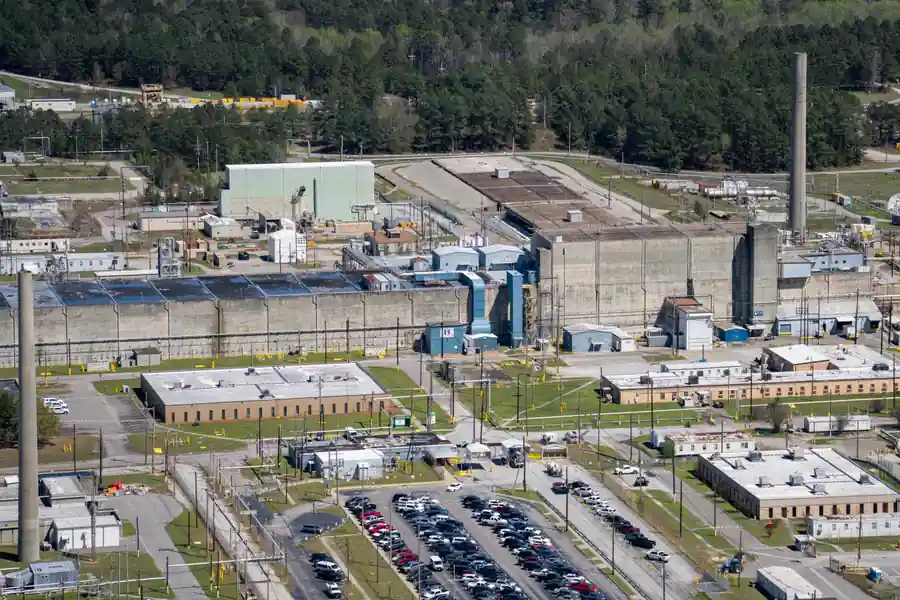
On November 24, 2026, the U.S. Environmental Protection Agency (EPA) and U.S. Customs and Border Protection (CBP) announced the results of their southern border inspections. Since January 2026, the agencies have inspected 461 products within 181 shipments.
Senior EPA officials joined CBP at the Port of Brownsville and the Pharr Port of Entry, both on the Texas border with Mexico. Assistant Administrator Jeffrey A. Hall and Region 6 Administrator Scott Mason took part. The work is the first push of EPA’s fiscal year 2027 import inspections program.

Latest from Health
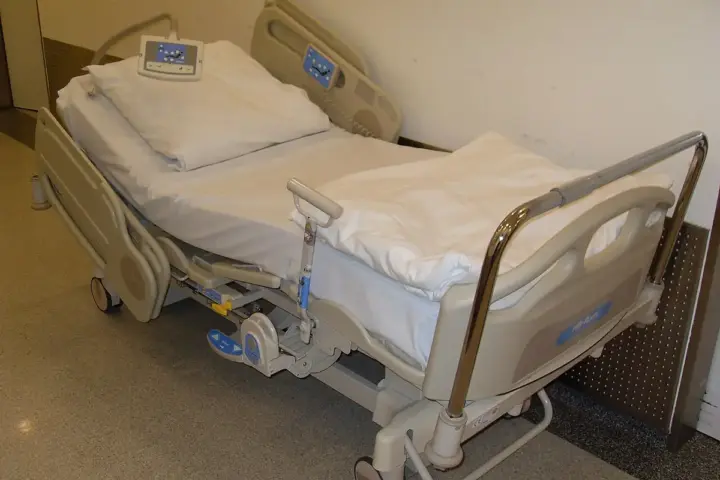
Amazon Portable Bed Rail Recall: 8,396 HOMEAL and Easymake Units Pulled Over Fatal Entrapment Risk
If you use an adult portable bed rail bought from Amazon.com, check the model number today. Two rails sold on the site were recalled on November 25, 2026, because a person can

HHS and CMS Launch $47 Million MAHA ELEVATE Medicare Pilot for Nutrition and Lifestyle Medicine
If you or a parent on Medicare lives with diabetes, high blood pressure, heart failure, obesity, or dementia, you may wonder about lifestyle care. Could diet and lifestyle coaching one day be
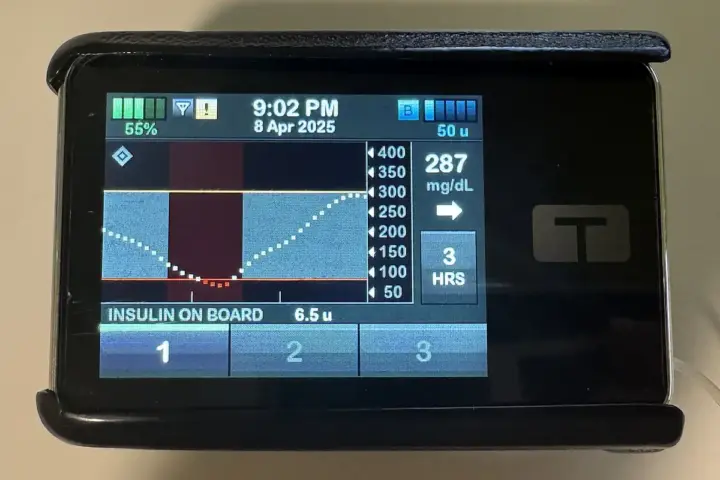
FDA Issues Most Serious Recall Alert for Tandem Mobi Insulin Pumps After 1,248 Serious Injuries
If your son or daughter uses a Tandem Mobi insulin pump, you need to know one thing today. The pump can suspend insulin delivery even when no blockage exists. The U.S. Food
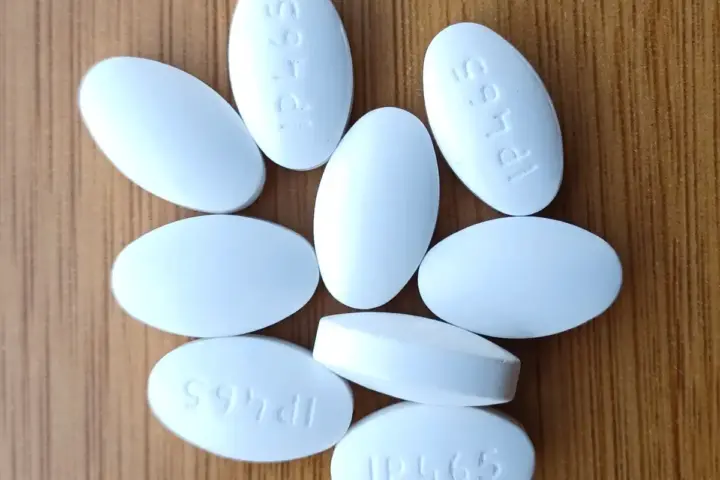
Ibuprofen 800mg Recall Lot GS069303: Aluminum Particulates on Tablets
If you take prescription ibuprofen for arthritis, mild to moderate pain, or menstrual cramps, check your bottle for Lot GS069303 now. An Ibuprofen 800mg recall covers one lot sold across the United
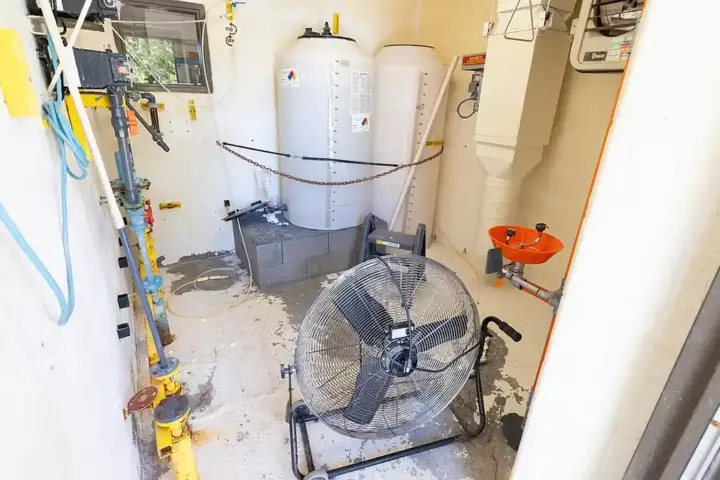
EPA Chemical Safety Settlements Top $1.3 Million Across California and Arizona
Live or work near a plant that stores ammonia or chlorine gas? New EPA Clean Air Act settlements in California and Arizona could matter to you. Federal regulators reached deals with eight
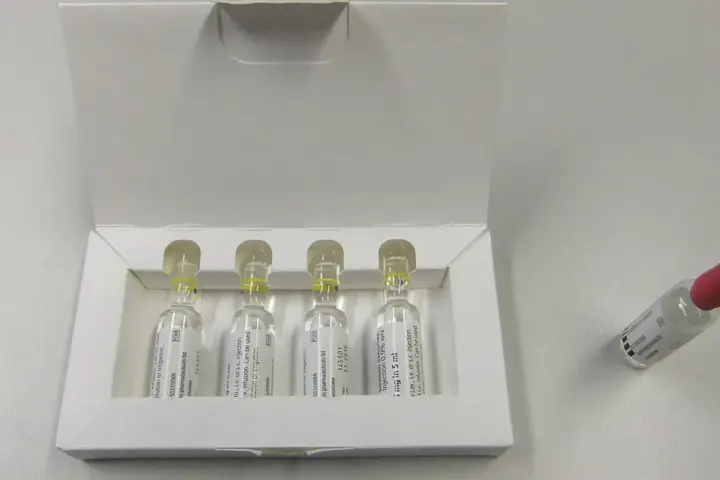
Par Health Recalls 46 Lots of 6 Injectable Drugs Over Particulate Matter
Par Health Recalls 46 Lots of 6 Injectable Drugs Over Particulate Matter If you work in a hospital, surgery center or pharmacy, we recommend checking your stock today. Par Health is pulling

NIH BRAIN Initiative Cell Atlas Maps the Basal Ganglia
Families affected by Parkinson’s disease, Huntington’s disease or autism may want to know which parts of the brain are involved. On November 12, 2026, NIH-funded researchers published a large set of studies

USDA Alert: Frozen Meat and Poultry Products Carry Undeclared Sesame
If you bought frozen Bami Rolls, Saté Kroketten or Bitterballen online, check your refrigerator or freezer and do not eat them. You may also have bought them at a festival or farmers

Residential Solar Heat Mortality: Rooftop Panels Cut Extreme-Heat Deaths by 8.5% in Japan
Residential solar heat mortality in Japan fell as rooftop panels spread across the country. A study in Social Science & Medicine reports the finding, and points to a practical way to keep

International TOAR-II Ozone Assessment Ties Smog to 500,000 COPD Deaths
If you have a parent or partner with COPD, a long-term lung disease, ozone matters to you. The same goes for anyone who checks the air quality forecast before a run. Ground-level

Greenwich Rx Sterile Products Recalled Nationwide After FDA Inspection
Patients who received compounded sterile products from Greenwich Rx or Clove Rx should check the lot number on the label. Stop using any product that matches the recall list. Greenwich Rx has
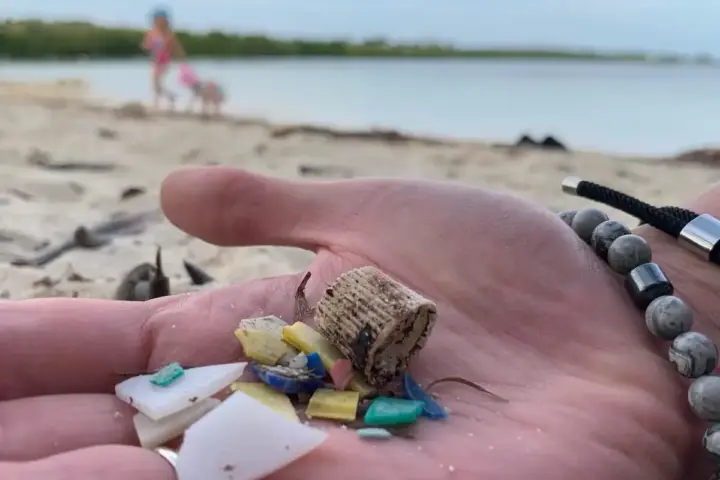
Microplastics React With Water to Form Cell-Damaging Radicals
For people concerned about plastic exposure, a 2026 study describes how microplastics react with water through a possible chemical process at plastic–water interfaces. It does not measure the risks of drinking bottled
Santa Cruz Paleo Pre-Workout Recall: Check Lots 2606161, 2512293
If you bought Santa Cruz Paleo pre-workout powder on Amazon and have a milk allergy, check the lot number and stop using it if it matches one of the affected lots. Rocky

Ketogenic Diet Liver Fat Trial: 67% Drop as Half Left Prediabetes
For adults with obesity who also have prediabetes and fatty liver disease, weight loss may not be the only factor that matters. It can be linked to metabolic improvement as well. In

Cadbury Pistachio Recall Canada: Oreo Bars and Favourites Recalled
Canadian households with tree nut allergies should check Cadbury treat bars and Favourites boxes after a nationwide Class 1 recall over undeclared pistachio. The Canadian Food Inspection Agency says one reaction associated