Tejal Somvanshi
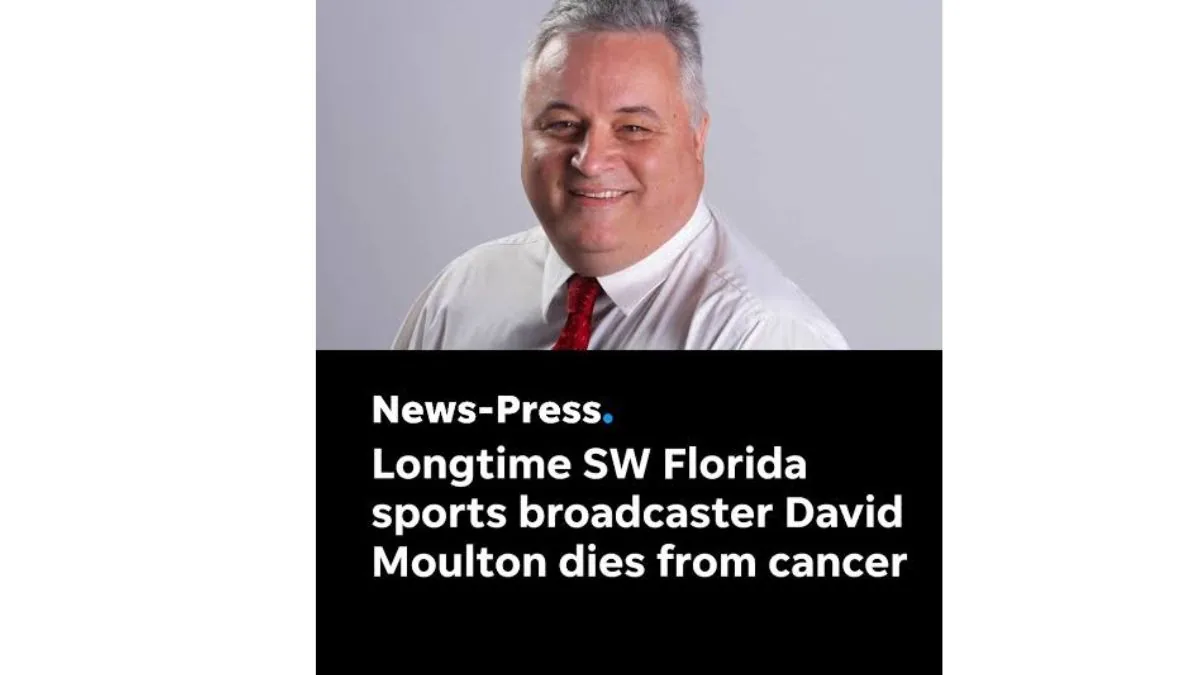
Troy Aikman became visibly emotional during Monday Night Football on October 26 while paying tribute live on air to David Moulton, a veteran Florida sports broadcaster who spent years as the invisible professional keeping Aikman's broadcasts running.
Moulton, who was 59, died on Saturday, October 24, in hospice care after a six-year battle with stage 4 renal cell cancer, which had metastasized to his bones two years before his death. His wife Julie confirmed his passing through the Douglas Center for Caring, the hospice organisation that supported him in his final weeks. Aikman posted a tribute on Instagram and has spoken of Moulton as his "right-hand man in the broadcast booth."
To most football viewers, David Moulton was unknown by name. That was by design. Moulton worked as an NFL broadcast spotter — the specialist sitting in the press box who feeds real-time information to the on-air team. When Aikman and Joe Buck called games together on Fox Sports and later on ESPN from 2018 onward, Moulton was the person in the booth identifying who made each tackle, which receiver ran which route, which player just came off the bench. The play-by-play caller and analyst do the talking; the spotter makes the talking accurate.
Moulton also worked in the same role for Gary Danielson on CBS college football broadcasts starting in 2006. Running two major broadcast teams simultaneously over overlapping decades is not common in the spotting world, and it speaks to the regard both organisations held for him.
Outside the booth, Moulton co-hosted the Miller and Moulton program with Mark Miller for 20 years — a syndicated sports radio show based in Southwest Florida that built a substantial local and regional audience.
Danielson and Miller both paid tribute following the news.
Aikman's on-air tribute during the Cowboys-Eagles game left him visibly emotional — a moment where the weight of personal loss came through clearly. That reaction, seen by millions watching the game, became the story in its own right.
Moulton worked through his illness for as long as he could. His six-year battle with stage 4 renal cell cancer covered some of the most significant broadcasts of his career.