 Govind Tekale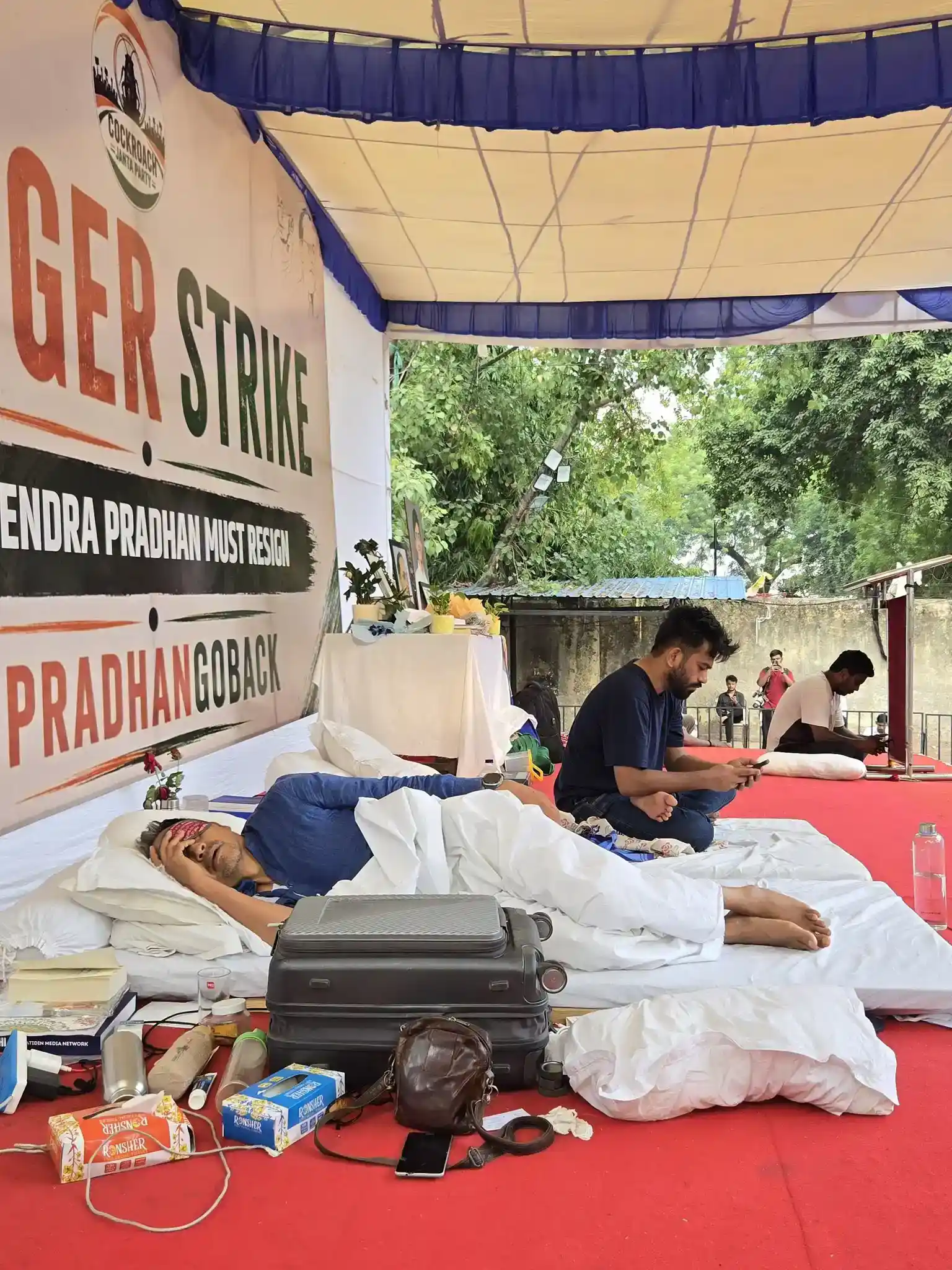
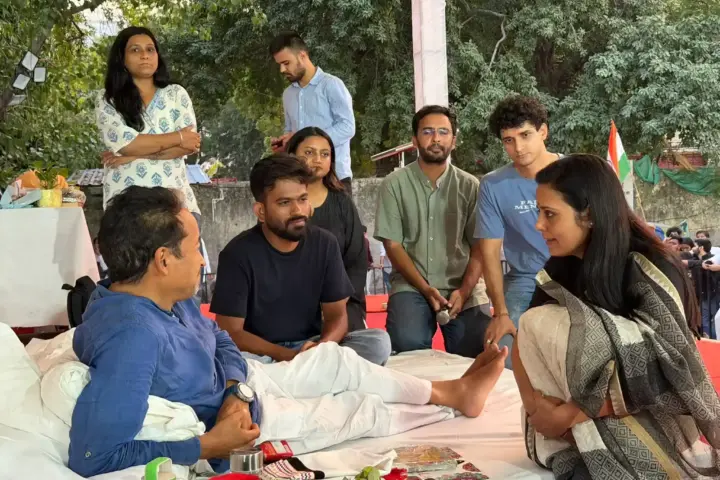
India’s student-led protest movement achieved a rare and concrete political win on July 25, 2026, when the Union government accepted all three key demands of the Cockroach Janta Party after 37 days of sustained agitation at Jantar Mantar in New Delhi.
Education Minister Dharmendra Pradhan resigned on July 25, announcing his departure on X, marking the political climax of weeks of protests led by Gen Z youth demanding accountability over the NEET-UG 2026 examination paper leak. President Droupadi Murmu accepted Pradhan’s resignation the same day and assigned Pralhad Joshi, Cabinet Minister, the additional charge of the Ministry of Education.
The Cockroach Janta Party had three principal demands: Pradhan’s removal from office, withdrawal of all police cases filed against student protesters, and compensation for families of students who lost their lives following the NEET controversy. The government agreed to all three. CJP national spokesperson Ashutosh Ranka confirmed that all FIRs lodged against demonstrators have been withdrawn, and the government agreed to provide Rs 1 crore in compensation to each family of NEET-UG 2026 victims.
Union Ministers JP Nadda and Jitendra Singh held three rounds of formal talks with CJP representatives before the breakthrough. CJP withdrew its protest “with immediate effect” and “in good faith” after the third round produced a written commitment from the government. CJP founder Abhijeet Dipke had previously made clear the agitation would not end until Pradhan left office.
Speaking at a joint press conference, the government and CJP appeared together—a visible signal of the settlement. This kind of joint appearance between a ruling party government and a street protest movement is uncommon in Indian political history. It underscored how far the movement had travelled from a satirical social media platform, founded on May 16, 2026, in response to remarks by Chief Justice Surya Kant comparing unemployed youth to “cockroaches,” to a force that extracted ministerial accountability.
The NEET paper leak had affected approximately 2 million medical school applicants when questions circulated before the exam in May 2026. The CJP’s Instagram account had accumulated 22.5 million followers—more than twice the BJP’s social media reach—before the government ordered it taken down. Coverage from outlets including CNBC and NPR had brought the movement to international attention weeks before the resolution.
The CJP’s victory represents the first time India’s Gen Z, broadly defined as those born between 1997 and 2012, extracted a direct ministerial resignation through organised street protest. The movement’s demands were rooted in documented systemic failures—a leaked examination paper, student suicides linked to the fallout, and a broader unemployment crisis—rather than abstract grievances. That specificity gave the protest political leverage that purely symbolic agitations rarely achieve.
What happens next to the broader movement remains an open question. The examination leak itself is still under investigation, and systemic reforms to prevent future leaks have not yet been legislated. Compensation for victims is agreed upon but not yet disbursed. Dipke himself acknowledged the path ahead is long—and the movement’s 22.5 million followers are still watching.