 Tejal Somvanshi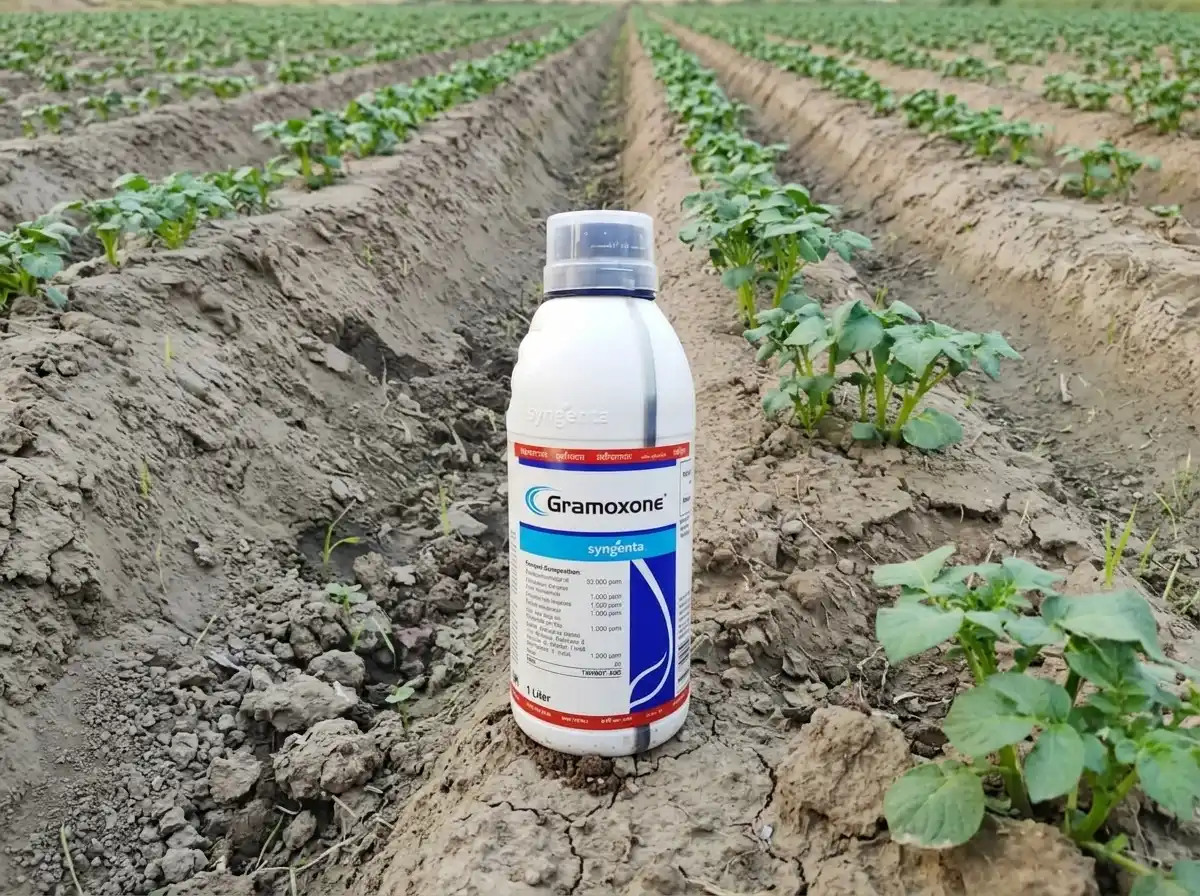
Syngenta, a major agrochemical company, announced it will stop selling paraquat-based herbicides in Australia and New Zealand. The decision represents a significant shift in the agricultural chemical market and reflects growing regulatory pressure on the controversial herbicide following safety reviews.
The company cited commercial reasons for the withdrawal. Rising regulatory costs, increased manufacturing expenses, and the shifting market environment made continuing paraquat production economically unviable for Syngenta’s operations in the region. This represents a strategic business decision responding to regulatory and market dynamics. Farm Online confirmed Syngenta’s statement citing commercial pressures as the primary driver.
The timing of Syngenta’s withdrawal comes after the Australian Pesticides and Veterinary Medicines Authority (APVMA) conducted a comprehensive review of paraquat’s safety profile. Following that review, the APVMA reduced the amount of paraquat farmers are permitted to apply. The stricter regulations increased the compliance burden and reduced the commercial appeal of the product for Syngenta. The Australian agricultural sector now faces a transition period as key suppliers exit the market.
According to the announced timeline, Syngenta’s Gramoxone product will be available for sale until December 2026. Two other paraquat-based products, Spray Seed and Kelpie, will remain available until May 2027. After these dates, Syngenta will no longer supply paraquat in the Australian and New Zealand markets. This transition period allows farmers time to adjust their chemical management strategies.
The withdrawal raises questions about availability of alternatives for Australian farmers. Paraquat serves as a broad-spectrum herbicide alternative to glyphosate in farming operations. However, approximately one in five paddocks nationally now has glyphosate-resistant weeds, creating urgency for alternative herbicide solutions. Glufosinate has emerged as the primary alternative herbicide, with the Grains Research and Development Corporation (GRDC) funding trials confirming its effectiveness. Queensland Country Life reviewed the alternative options available to farmers making the switch.
However, glufosinate has limitations compared to paraquat. It works slower than glyphosate and paraquat, requiring days rather than hours for visible effect. It requires adequate humidity for maximum efficacy. It is less effective on larger weeds, meaning timing of application becomes critical. It is also more expensive than paraquat was. These practical limitations mean farmers cannot simply substitute glufosinate for paraquat in all applications.
The market will not be completely without paraquat supplies. Other companies continue to produce and supply paraquat-based products in Australia. Farmers will need to identify alternative suppliers as Syngenta phases out its products. The environmental and commercial impact of this phase-out will become clearer as farmers adapt over the coming months. Agricultural businesses and GRDC research initiatives continue exploring additional herbicide alternatives to address the glyphosate resistance crisis comprehensively.