 Rahul Somvanshi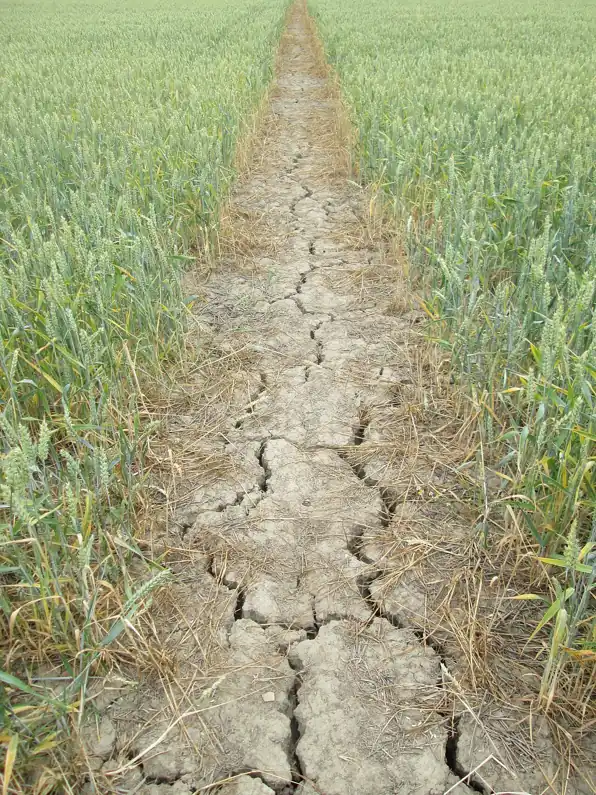
Estimated reading time: 2 minutes
British farmers are experiencing one of the most challenging harvest seasons in recent memory. The primary drivers of the 2026 harvest crisis are extreme drought and record heat, including the driest July in nearly two centuries—not the wet spring weather and heavy rain initially mentioned in earlier reporting.
Cereals, including wheat and barley, have been hit especially hard by prolonged drought conditions and elevated temperatures. Extended dry periods prevented crop development and led to stunted growth. Insufficient rainfall during critical growth stages resulted in significantly reduced yields across major cereal-producing regions.
Root crops also suffered significant damage from drought stress. Extended dry soil conditions weakened plants and reduced their ability to absorb necessary nutrients and water. Potatoes and sugar beets experienced substantial losses from heat and water stress, not from the excessive moisture that would characterize wet conditions.
Reduced yields translate directly to lower income for farming families who already operate on thin profit margins. Many farmers face the prospect of covering input costs (seeds, fertilizers, equipment) without corresponding revenue from damaged crops.
Some farms will face financial stress severe enough to threaten their long-term viability. Agricultural lending becomes more difficult when collateral values (land and equipment) face pressure from industry-wide crop failures.
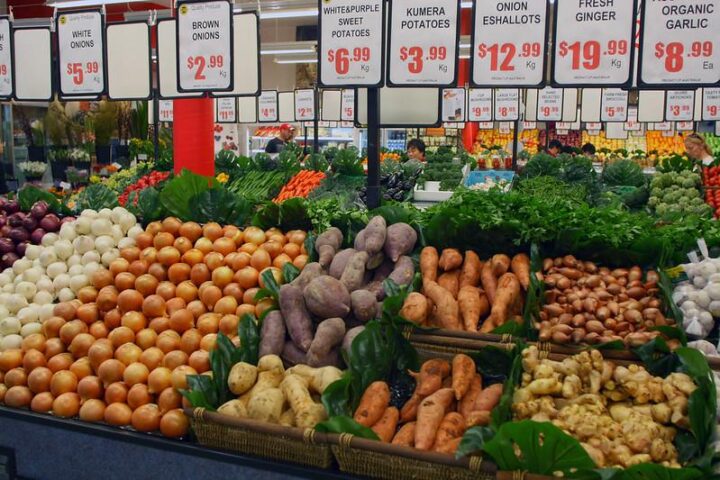
Reduced domestic crop production means Britain may need to import more food commodities than usual. This increases food costs for consumers and makes the food supply more dependent on international markets subject to their own weather and political uncertainties.
Food manufacturers and retailers who depend on domestic crops face pressure to source alternatives, potentially at higher costs. These cost increases often get passed to consumers in higher food prices.
The drought and heat conditions created different challenges than typical wet-weather diseases. While some pest populations may have been affected by temperature extremes, the primary driver of crop losses has been water stress and heat damage rather than pest infestations or moisture-related diseases.
Many farmers are adjusting crop variety selections for future seasons, moving toward drought-tolerant varieties better able to withstand extended dry periods and heat stress. Long-term investments in irrigation systems and drought-resistant crop varieties are being prioritized.
Some farmers are also exploring alternative markets, such as direct-to-consumer sales or value-added processing of crops, to reduce dependence on commodity markets where prices are often unfavorable following large crop failures.
The harvest crisis raises fundamental questions about agricultural sustainability in a changing climate. If weather patterns become increasingly characterized by extreme drought and heat events, how can farming remain economically viable?
This harvest crisis forces uncomfortable conversations about agricultural sustainability, food security, and whether current farming practices remain viable for Britain’s future, particularly in light of climate-driven drought becoming more frequent.