 Govind Tekale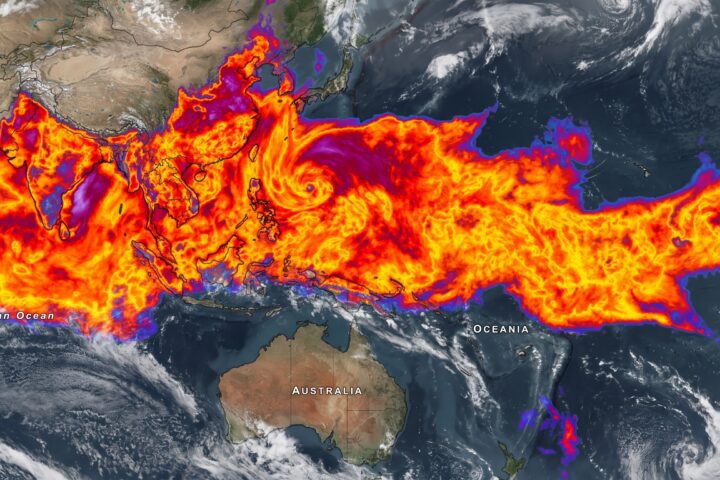
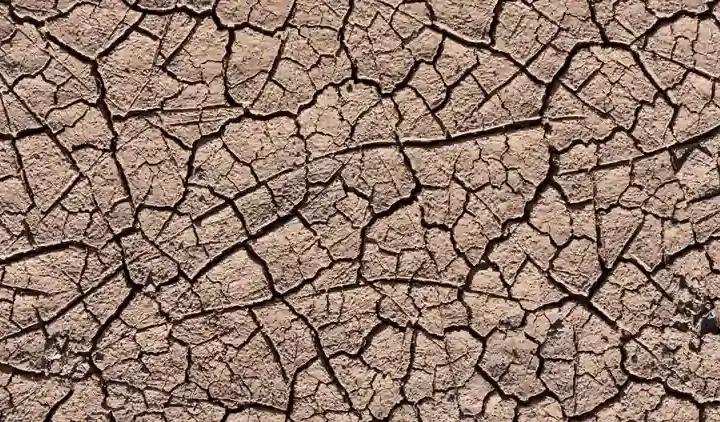
India’s monsoon rains are running significantly below normal through late July 2026, raising concerns about drought risk as the critical agricultural growing season continues. Specific mid-July weeks recorded 51 percent below normal rainfall according to the Indian Meteorological Department, with the month-long average approximately 6 percent below historical norms through late July.
July historically receives an average of 280.4 millimeters of rainfall across India. The current trajectory suggests the month will fall short of this long-period average. This below-normal pattern began earlier in the monsoon season and has persisted through mid-to-late July, raising agricultural concerns across key farming states.
The rainfall shortfall creates serious implications for Indian agriculture. The monsoon drives crop production across the subcontinent, with farmers depending on predictable rainfall timing and intensity for planting, germination, and growth cycles. Below-normal rainfall forces irrigated agriculture to depend more heavily on groundwater and reservoir supplies, depleting resources for future seasons. The Ministry of Agriculture and Farmers Welfare monitors crop conditions and activates relief programs when rainfall deficits emerge.
Hydroelectric generation depends on monsoon-fed reservoirs. Reduced rainfall means lower water levels in dams, decreasing hydroelectric power generation capacity. India relies heavily on hydropower, particularly during monsoon season when flows naturally support electricity production. Water shortages also threaten drinking water supplies in water-scarce regions.
The monsoon shows extreme regional variation. Northwest India, the northeast, and parts of east-central India have experienced above-normal rainfall, receiving more precipitation than historical averages. However, this gain does not offset deficit areas. Central India and the south peninsular regions are experiencing significantly below-normal rainfall, creating drought conditions in agriculturally important zones. Early monsoon onset patterns this season had initially raised optimism that later weakened.
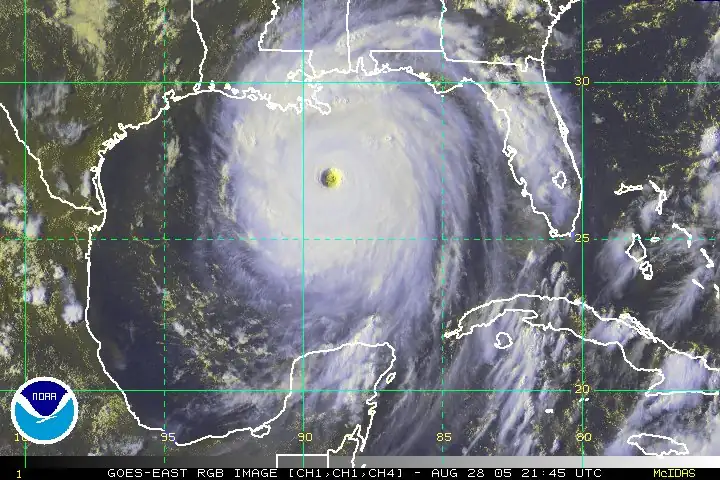
Active weather alerts issued July 26–27 showed concentration in eastern India. Odisha, Chhattisgarh, and Gangetic West Bengal received isolated heavy to very heavy rainfall, with extremely heavy rainfall recorded July 26–27. These events demonstrate the monsoon’s erratic nature—some regions receiving dangerous amounts while others remain dry.
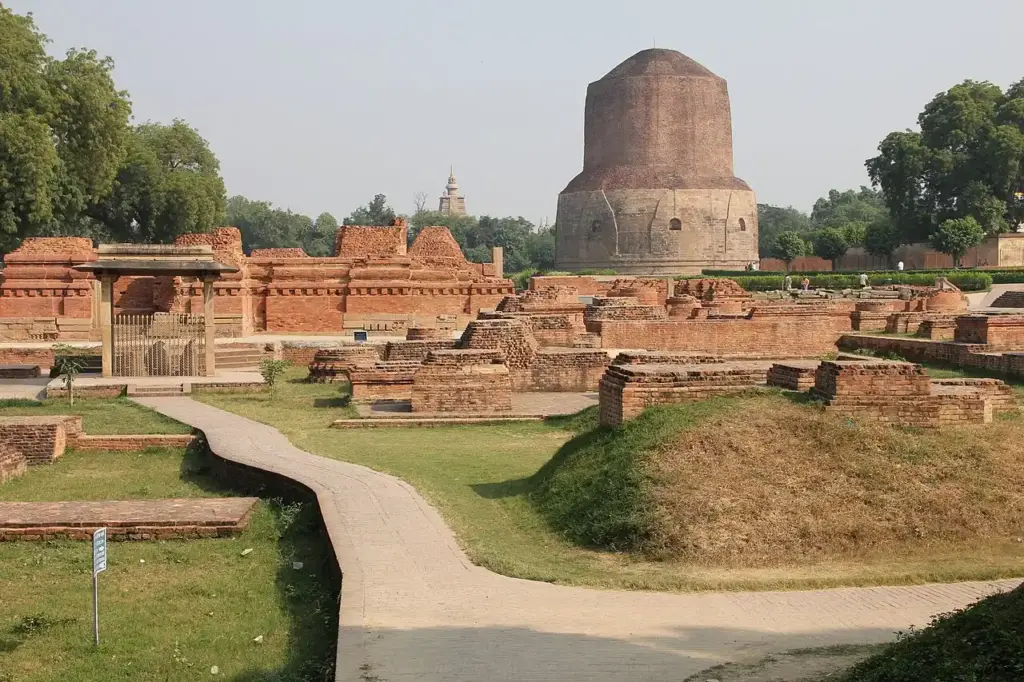
The dual challenge confronting India is striking: drought threatens agricultural regions receiving insufficient rainfall while flooding threatens areas receiving concentrated intense rainfall. Monsoon behavior has become increasingly erratic, according to meteorologists, with extreme variation between regions and periods within the season. India monsoon impacts on heritage sites and infrastructure add additional dimensions to an already complex situation.
Agricultural forecasts for the 2026 kharif season depend significantly on monsoon performance. Crops planted in June and July depend on monsoon continuation through September and early October. If below-normal trends persist, harvest projections will decline, potentially affecting national food production and contributing to price inflation for agricultural commodities.
Government agricultural ministries monitor rainfall data continuously, making decisions about crop insurance programs, subsidy adjustments, and emergency relief allocations based on seasonal performance. Below-normal monsoon often triggers agricultural relief programs to support farmers facing reduced yields. Water resource allocation decisions are tracked by the Press Information Bureau as they are announced.