Karmactive Team
Australia’s Bureau of Meteorology (BOM) has confirmed that El Niño conditions are active in the Pacific Ocean, with the Oceanic Niño Index (ONI) reaching the threshold for a moderate-to-strong event. For Australia, this means the country faces an increased probability of below-average rainfall, above-average temperatures and elevated fire risk throughout the 2026 season — a pattern that has historically brought devastating droughts and crop failures.
What Is El Niño?
El Niño is a natural climate cycle driven by the warming of sea surface temperatures in the central and eastern tropical Pacific Ocean. During El Niño years, the atmospheric circulation that normally brings rain to Australia weakens or reverses, diverting moisture away from the continent. Australia has experienced some of its most severe droughts during strong El Niño events, including the devastating Millennium Drought (1997–2009) that stripped rivers and reservoirs across southeastern states.
BOM Seasonal Outlook
BOM’s seasonal outlook indicates the following for the 2026 El Niño event:
- Rainfall: Below-average across eastern Australia (Queensland, New South Wales, Victoria) with probabilities of 60–75% for drier than median conditions
- Temperature: Above-average daytime and overnight temperatures across the continent
- Streamflows: Below-average river flows expected in Murray-Darling Basin catchments
- Fire weather: Elevated fire danger index across southern and eastern Australia from October onwards
Impact on Agriculture
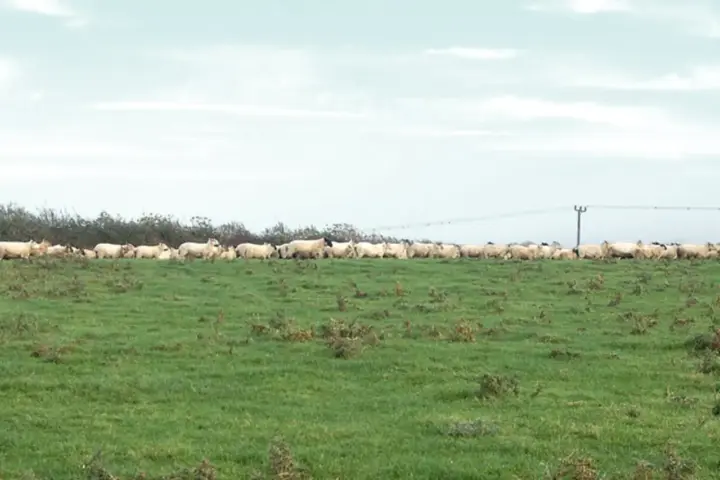
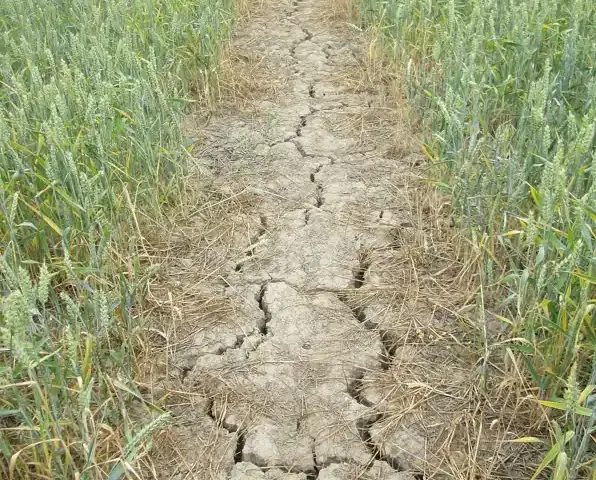
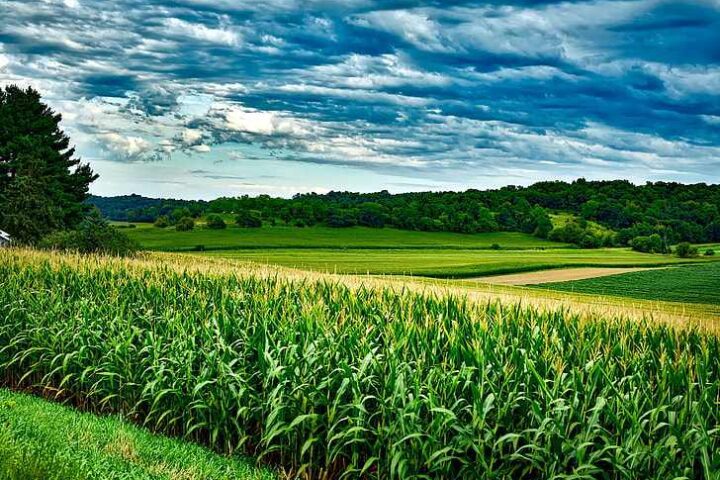
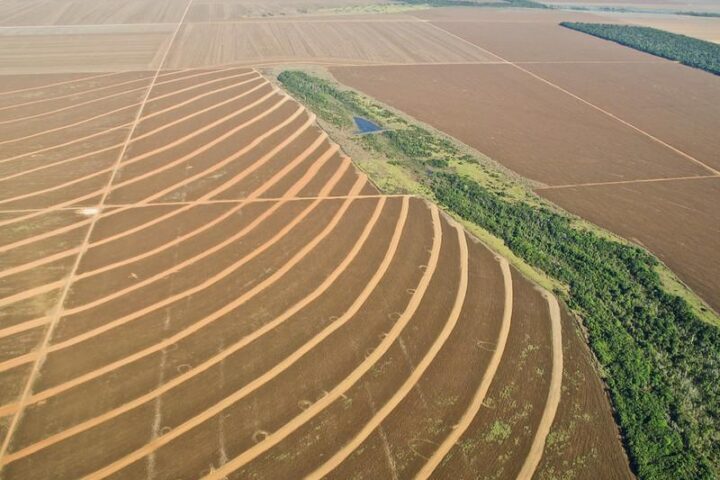
Australian grain farmers are particularly vulnerable to El Niño-driven dry conditions. Wheat production — a major export for Australia — could face yield reductions of 15–30% in affected regions if rainfall deficits persist through the growing season. Livestock farmers managing large cattle and sheep operations in Queensland and New South Wales are already monitoring feed availability and water supplies. The National Farmers’ Federation has called for proactive government support through drought relief programs.
Water Security Concerns
Reduced inflows into major reservoirs and catchments raise concerns about urban water security in cities such as Sydney, Melbourne and Adelaide. Water authorities in these cities have activated demand management measures and begun reviewing desalination plant capacity. Several regional towns across inland NSW and Queensland have already moved to emergency water restrictions.
What Australians Can Do
Households can reduce water usage through simple measures: fixing leaks, using water-efficient appliances, mulching gardens and collecting rainwater where permitted. Following BOM’s seasonal forecasts and state emergency management bulletins will be essential for communities throughout the El Niño period.
External Sources: Bureau of Meteorology Australia | ASEAN Specialised Meteorological Centre