UK’s Worst Bluetongue Outbreak Spreads to Scotland as Hot Weather Fuels Virus

August 19, 2026
1 min read
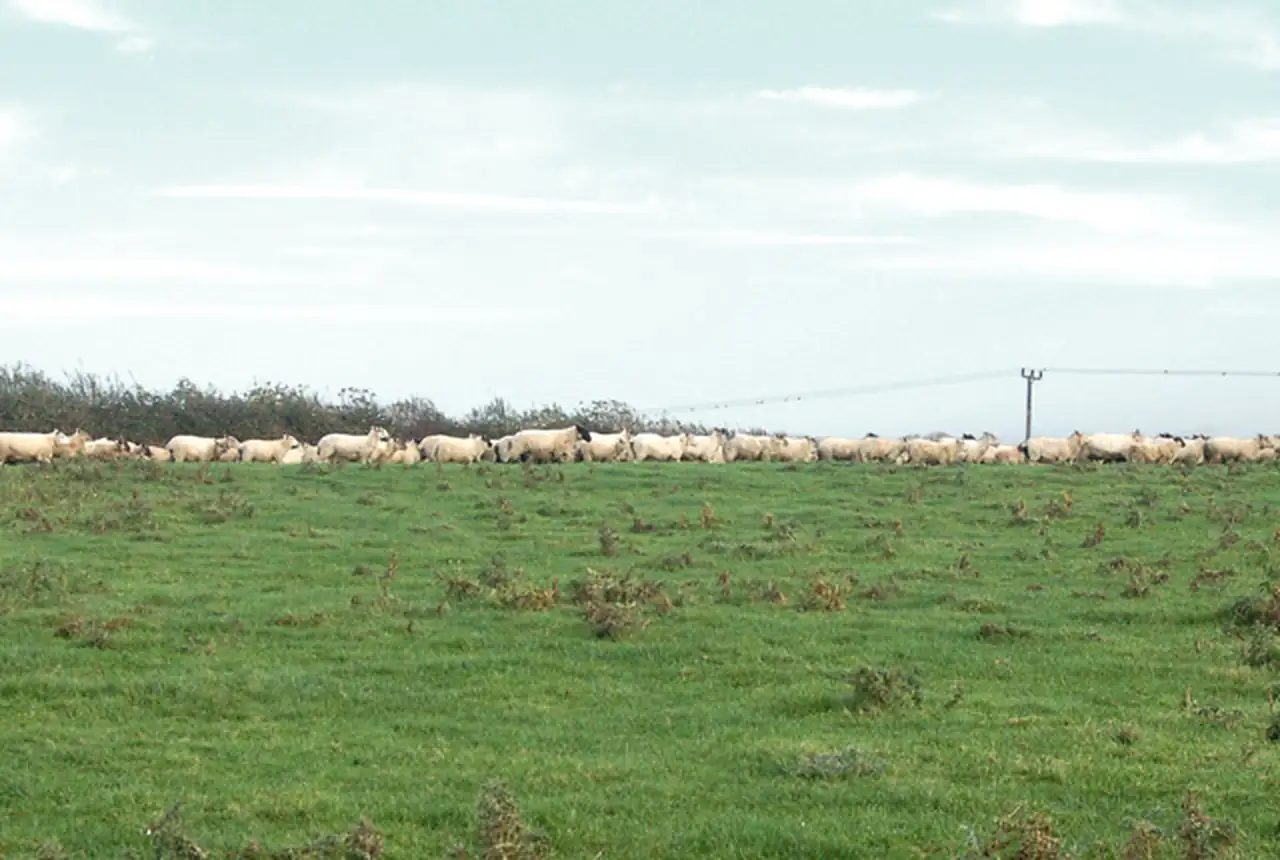
A flock of sheep resting in a green field beside a hedgerow on a British farm.
A flock of sheep on a British farm — the livestock now in the path of the UK's worst bluetongue outbreak as hot weather helps the midge that spreads the virus reach Scotland. A single infected animal can seed weeks of movement restrictions across herds. [Photo: geograph.org.uk / Wikimedia Commons, CC BY-SA 2.0]

It’s been called the worst bluetongue outbreak the UK has ever seen. Now the virus has reached Scotland, and the peak has not even arrived yet.

Bluetongue is an insect-borne viral disease affecting sheep, cattle and other livestock. It is potentially fatal. The country now has 473 confirmed cases of bluetongue virus. England accounts for 454 of those, Wales has 15, Scotland has 4, and Northern Ireland has none. But those figures only tell part of the story — 2,214 premises with potential cases under investigation.

In Dumfries and Galloway, a cow has tested positive for the first time in Scotland. It is the fourth farm to be affected in the Creetown area. Bluetongue was confirmed in a lamb and three sheep on three farms last week.

Christine Middlemiss, the UK’s chief veterinary officer, did not mince her words. It is “absolutely the worst” outbreak the UK has seen, she said, exacerbated by the ongoing hot and dry weather.

In Somerset, there are currently 45 cases of the virus. Farmers in Exmoor, Somerset, said they had lost livestock to the disease, which was having a personal effect on families.

Middlemiss said it was “very concerning” that the peak of the virus had not yet come. “We’re actively working on ramping up testing as appropriate and what measures of support might be appropriate,” she said.

Midges which spread bluetongue became active again on 31 March this year. The hot and dry summer has extended their breeding season and increased their range.

The Scottish government does not intend to introduce a disease control zone at this point “as it currently considers prevalence to be low.” Should one be introduced, no susceptible animals or carcasses would be permitted to move to or from any premises within the zone, except under licence.

Tejal Somvanshi

Meet Tejal Somvanshi, a soulful wanderer and a staunch wellness advocate, who elegantly navigates through the enchanting domains of Fashion and Beauty with a natural panache. Her journey, vividly painted with hues from a vibrant past in the media production world, empowers her to carve out stories that slice through the cacophony, where brands morph into characters and marketing gimmicks evolve into intriguing plot twists. To Tejal, travel is not merely an activity; it unfolds as a chapter brimming with adventures and serendipitous tales, while health is not just a regimen but a steadfast companion in her everyday epic. In the realms of fashion and beauty, she discovers her muse, weaving a narrative where each style narrates a story, and every beauty trend sparks a dialogue. Tejal seamlessly melds the spontaneous spirit of the media industry with the eloquent prose of a storyteller, crafting tales as vibrant and dynamic as the industry she thrives in.

Leave a Reply

Your email address will not be published.

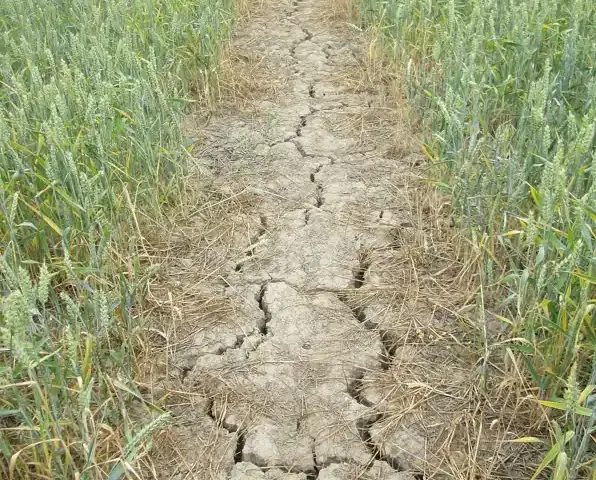
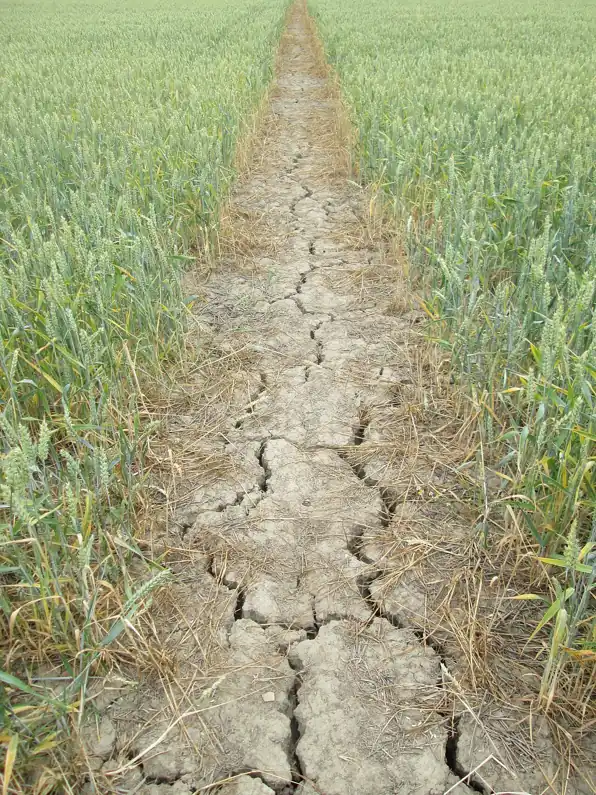
Cracked dry footpath running through a wheat field with browning crop at the base of the stalks.
Previous Story

Wessex Water Hosepipe Ban 2026: First in 50 Years as UK Heatwave Triggers Water Crisis

Reform UK chairman Zia Yusuf speaking at a podium with a Union Jack backdrop.
Next Story

Reform UK Welfare-to-Work Plan: What It Means for Britain

Latest from Agriculture

Don't Miss