Sunita Somvanshi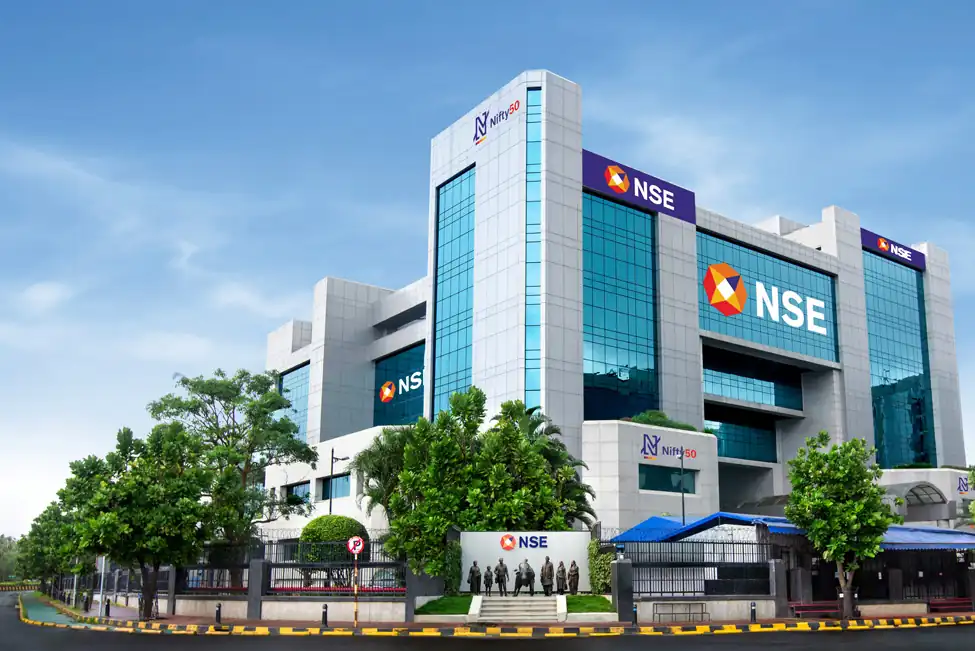
Shares of India's National Stock Exchange began trading on the BSE on September 24, closing the debut session at ₹1,817, approximately 1.8% above the ₹1,785 issue price, after one of the most closely watched listings in Indian financial market history. The NSE's listing ends more than a decade of regulatory delays that had kept the exchange itself from becoming a publicly traded company.
The IPO ran from September 17 to 21, with shares offered in a price band of ₹1,700 to ₹1,785. The offer was a pure offer for sale of up to 126,436,650 shares — meaning the proceeds go to existing shareholders selling down, not to the company raising fresh capital. Retail investors could apply for a maximum subscription amount of ₹2 lakh.
For anyone who applied in the IPO and is now tracking their holding, or who missed the offer and is considering buying on market, the debut day's 1.8% gain above issue price gives an initial data point on how the market has valued the listing. One trading session does not establish the stock's longer-term performance.
Why the NSE Listing Is Unusual
Many major stock exchanges globally are publicly listed companies. Its regional competitor BSE has been publicly listed since 2017. What made the NSE's listing path unusual was the length of time it took to arrive.
The NSE first filed for an IPO in 2016. Regulatory issues, including matters linked to a co-location scandal involving preferential access to trading data, contributed to the delays before the IPO received regulatory clearance. SEBI, the Securities and Exchange Board of India, has jurisdiction over exchanges and their listing applications.
The eventual IPO, now completed, means ordinary investors can now own shares in the infrastructure that processes a significant portion of India's equity and derivatives trading volume. NSE says it is the world's largest exchange-traded equity derivatives exchange by number of contracts, based on its FY26 data. Its listing gives it a public market valuation and subjects it to disclosure requirements that come with listed-company status.
The offer for sale structure means the NSE itself does not receive IPO proceeds. Selling shareholders — which include domestic and foreign institutional investors who held stakes built up over years — realise their returns through the listing. This is standard for mature unlisted companies where the goal is liquidity for existing investors rather than growth capital.
For investors who purchased shares in the IPO at the ₹1,785 upper end of the price band, the 1.8% first-day gain represents a modest listing premium. For context on how IPO listing premiums and post-listing performance typically interact for large-cap Indian issues, historical IPO performance data on Indian exchanges provides useful background.
The NSE's listing also has implications for price discovery around its own business. Analysts covering financial infrastructure companies will now be able to mark the exchange to market. Trading volumes, revenue from transaction charges, and technology services revenue will all feed into public earnings reports.
What to watch: The first full quarter of post-listing earnings will be the clearest indicator of how the market values the NSE's business model at scale. NSE's annual results and any SEBI regulatory correspondence become public documents as a listed entity.
For anyone tracking the broader Indian capital markets story, how India's equity market has grown over the past decade provides context for why the NSE's listing carries weight beyond a single IPO number.
Note: This article does not constitute investment advice. Past listing-day performance does not predict future share price movements.