Karmactive Team
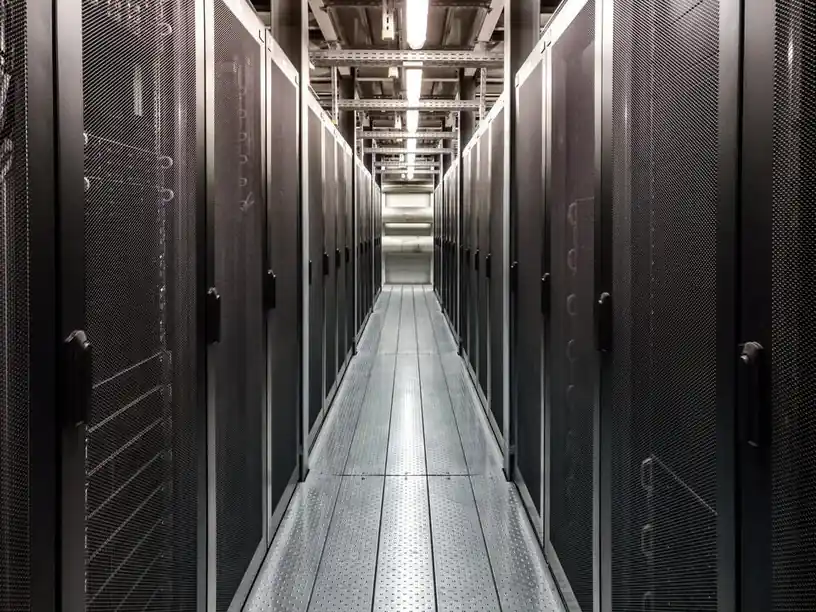
AI data centers are projected to consume 20% of US grid capacity by 2035, with BloombergNEF warning of a 118 GW surge ahead. BloombergNEF analysis and DOE reference data confirm the projection.
For consumers, rising grid demand puts upward pressure on wholesale prices. Businesses with large energy contracts will see renewal pricing reflect this profile.
The 118 GW figure represents roughly the combined capacity of multiple existing US regional grids. Demand clusters in states with favorable policies, creating localized stress.
Policy responses are developing. Federal and state regulators are reviewing whether data-center load growth should trigger accelerated clean-energy mandates.
For broader context, Karmactive’s related reporting on AI data-center power demand smart-charging pressure on grids helps connect this story to the wider public-interest picture.
Sources: Read more
The surge in AI infrastructure demand is driven by large language model training, autonomous systems, and real-time data processing at scale. Energy analysts project that data center power consumption could triple within five years, straining aging grid infrastructure across the United States. Utility companies are racing to expand capacity, but permitting delays and supply chain bottlenecks threaten to push back new projects by 18 to 24 months.
Microsoft, Google, and Amazon are among the tech giants investing billions in new data center campuses, with projected combined energy demand equivalent to several nuclear power plants. Environmental groups warn that without aggressive renewable energy procurement, the AI boom could undo years of carbon reduction progress. Some utility providers have already begun pairing data centers with nuclear reactors to meet the growing load.
Residential electricity prices have already begun rising in states with high data center concentration, sparking concerns about energy affordability for low-income households. State regulators are reviewing rate structures to ensure that the costs of AI infrastructure are distributed fairly. Some policymakers have proposed data center taxes to fund renewable energy subsidies and grid upgrades.