 Rahul Somvanshi
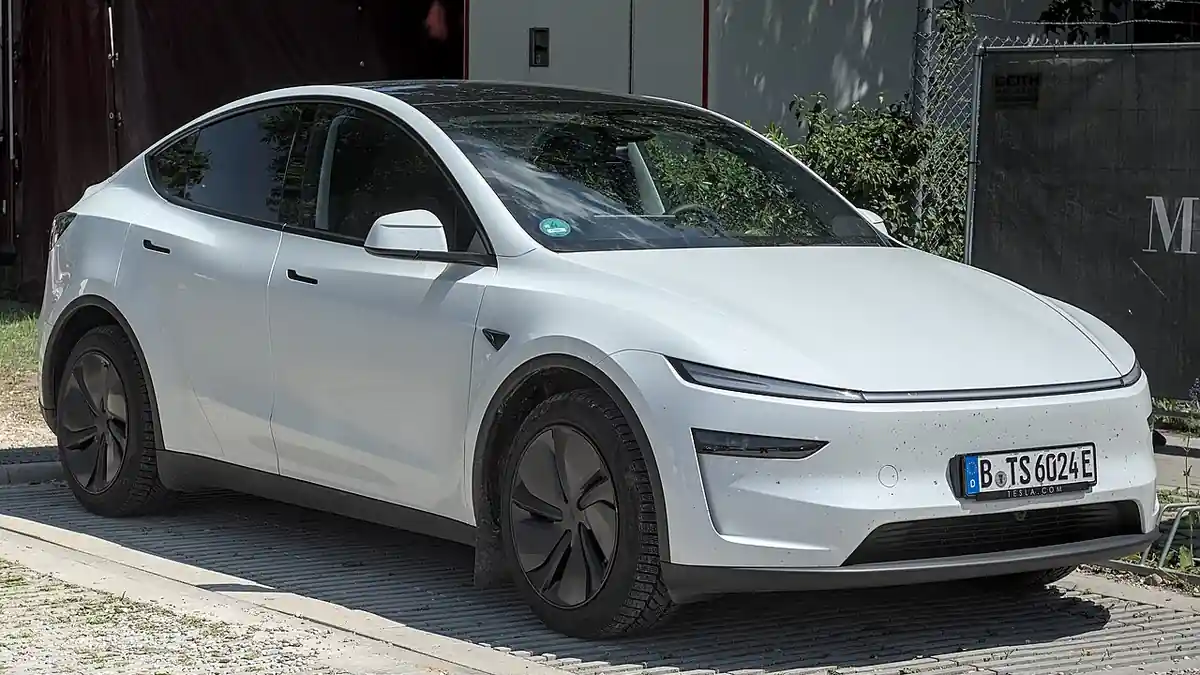
Tesla posted its third-quarter 2026 results on October 21, and the numbers told two stories at once: a car company under margin pressure, and a management team that wants investors focused entirely on what comes next.
Tesla’s Q3 2026 earnings reported total vehicle deliveries of 486,532 — approximately 2% below the year-ago quarter — with revenue of roughly $28.05 billion and a GAAP net income of $787 million. The company reported its highest vehicle backlog in four years, with deliveries constrained by production. Total production reached 464,391 units. On the Tesla earnings robotaxi front, CEO Elon Musk confirmed that Cybercab autonomous rides began in Austin on September 3, with cumulative unsupervised Robotaxi miles growing eightfold quarter over quarter. Expansion to Dallas was announced for the following month. Musk said the driverless Robotaxi fleet should begin contributing to the company’s financials in 2027.
Investors applying traditional automotive valuation ratios will continue to miscalculate Tesla’s market volatility under Ark’s framework. If future quarters show further margin erosion in core EV deliveries while Robotaxi commercial regulatory approvals expand only slowly, the stock faces near-term valuation pressure. Long-term shareholders must weigh whether Ark’s autonomous ride-hailing projections can materialize on the timelines the model assumes.
The gap between Ark’s thesis and standard automotive analysis becomes clearest when looking at how each framework values the same data. A conventional analyst measuring Tesla against other car manufacturers examines delivery volumes, average selling prices, and gross margin per vehicle — metrics under pressure from global EV price competition, particularly against lower-cost manufacturers in China. By those measures, a quarter of compressed margins looks challenging.
Ark Investment Management’s updated 2026 Tesla valuation model, published in October, projects the company’s stock reaching approximately $4,400 per share by 2031 in its base case, with autonomous Robotaxi networks representing roughly 80% of Tesla’s enterprise value by that year. Ark’s model assumes Robotaxi software margins significantly higher than automotive hardware margins, and projects 8.1 million Robotaxis on the road by 2031. Cathie Wood and Tasha Keeney at Ark have consistently maintained that the car business is secondary to the autonomous fleet thesis.
The practical constraint is regulatory. Commercial autonomous operation at scale requires authorization from individual state regulators — California and Texas have different frameworks covering autonomous vehicle testing, deployment, and commercial passenger services, and approvals are granted under those respective state rules rather than a single federal classification. Analysts flagged on the earnings call that regulatory approvals for Robotaxi expansion are uncertain and vary by region. Alphabet’s Waymo is the leading commercial autonomous ride-hailing operator in the United States. Musk said the driverless fleet would start contributing to financials in 2027 — a timeline that depends on those state approvals continuing to expand. Prior coverage on EV market price competition and AI automation in transport tracks those regulatory developments.
Watch for the pace of Cybercab deployment and state authorization expansions as the key variables in whether Ark’s 2031 model holds. The next quarterly update will show whether unsupervised miles and Robotaxi revenue are tracking toward the scale Ark’s thesis requires.