 Sunita Somvanshi
Dollar General’s chief executive said this week that customers earning $100,000 or more a year are increasingly behaving like the discount shoppers the chain has always targeted. It is one CEO’s observation from one company’s customer data — but it points to something broader that other retailers and economists have been watching.
Todd Vasos, Dollar General’s chief executive, made the comments at the Goldman Sachs Global Consumer and Retail Conference on September 20, 2026. He described higher-income shoppers — including those earning above $100,000 a year — as increasingly seeking out discount options because of sustained inflation and other household cost pressures. ConsumerAffairs independently reported the same observation on September 22. Vasos did not say that every person earning $100,000 is in financial difficulty. He described a behavioral shift in the company’s own customer mix — more higher-income shoppers choosing discount retail for everyday purchases than Dollar General’s management had historically seen.
If you earn six figures and have found yourself checking prices more carefully, shopping at discount retailers, or cutting spending on things you used to buy without thinking, Vasos’s observation points to a broader pattern. His remarks are specific to Dollar General’s customer base, not a universal claim about every US household at that income level. But they reflect a real shift in how sustained inflation changes spending habits — including among people who are not in financial difficulty by conventional measures.
What is actually driving the change
Vasos attributed the shift to several ongoing cost pressures: food, fuel, insurance, utilities and caregiving. These are categories where costs have risen over multiple years and where higher-income households face the same exposure as anyone else. You can choose a cheaper brand of cereal; it is harder to choose cheaper car insurance or avoid a utility bill.
The shift toward discount retail among higher-income shoppers is not the same as financial distress. Vasos’s observation is about where people are choosing to spend money on everyday items — not about whether they are missing rent payments or struggling to cover necessities. That distinction matters because some coverage of his remarks conflated the CEO’s specific observation with a broader claim that six-figure households can no longer afford a comfortable lifestyle. That is not what the data supports.
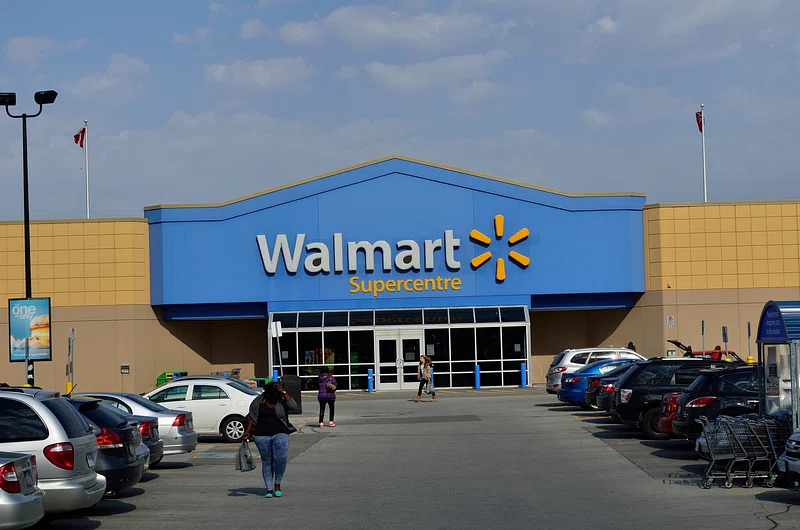
Dollar General competes with Walmart, Aldi and other discount retailers for this expanding segment. The company has been growing its store network, particularly in rural and small-town locations where large supermarket chains do not operate. The CEO’s observation that higher-income shoppers are visiting Dollar General more often is consistent with the company’s interest in broadening its customer base — Vasos’s public remarks on this trend serve that commercial interest. That does not make the observation wrong, but it is worth keeping in mind when weighing how far to generalize it.
Vasos also noted that the same cost pressures are more acute for the lower-income households that have always made up Dollar General’s core customer base. The observation was not that higher-income shoppers are now struggling as much as lower-income ones — it was that the category of people seeking discounts on everyday spending has grown across income levels.
There are limits to how much weight to put on a single CEO’s remarks at one investor conference. Treating them as a definitive statement about US household finances would require broader, independent data. What the remarks do offer is a real-time signal from a company that serves tens of millions of customers about how sustained inflation is changing purchase behavior across a wider income range than discount retailers have traditionally attracted.
Closure: Dollar General’s next quarterly earnings report will include updated customer data. Vasos has not indicated whether the company plans to publish a formal breakdown of its customer income mix.
Related Karmactive coverage: food costs and consumer prices.