 Karmactive Staff
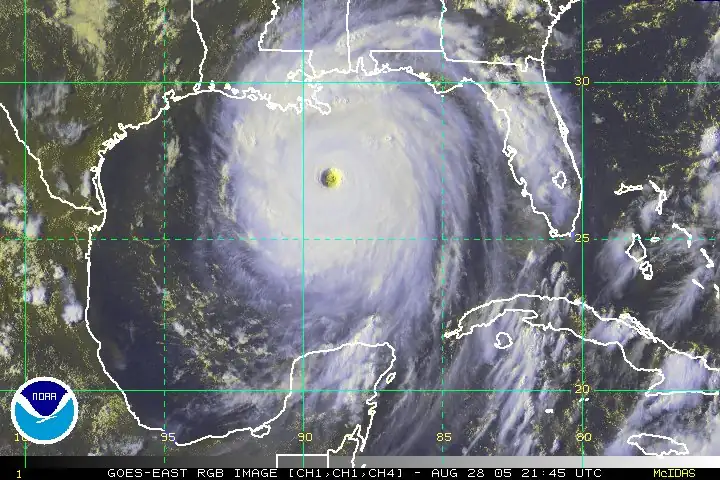
Hurricane Fausto is tracking toward the Hawaiian Islands, placing the state on emergency alert and testing whether the infrastructure resilience investments made since recent Pacific storm seasons are sufficient to withstand a direct hit. For a state whose economy and daily life depend on systems that have no mainland backup, the storm is more than a weather event — it’s a live stress test.
Hawaii’s geographic isolation defines its vulnerability. Unlike Atlantic hurricane zones where residents can evacuate inland and return, Hawaiian island communities have nowhere to drive. Evacuation means leaving by air or sea, logistics complicated by storm timing, flight capacity, and ferry operations. The window for safe departure narrows rapidly as a hurricane approaches, and authorities must issue evacuation orders far enough in advance that residents can act — but not so early that they ignore them.
Power infrastructure is the most immediate concern. Overhead electrical lines remain common across Hawaiian neighbourhoods, vulnerable to high winds that can leave communities without electricity for days. Extended power outages affect water pumping systems, wastewater treatment, communications infrastructure, and medical equipment for residents with health conditions. Satellite-based communication backup systems deployed during previous Hawaiian emergencies demonstrate the need for communications resilience independent of grid power.
Tourism operations — Hawaii’s dominant economic sector — face immediate disruption. Resorts, tour operators, and transport services suspend operations during hurricane alerts, creating revenue losses that compound for every day visitor activity remains restricted. Hawaii’s ongoing legal challenges against fossil fuel companies over climate liability reflect the state’s awareness that the intensifying storm environment isn’t random — it’s a consequence of ocean warming that climate science has long predicted.
Emergency coordination across state, county, and federal levels becomes critical during hurricane approach. Shelter capacity, emergency supply distribution, medical evacuation planning for individuals unable to shelter in place — all must activate simultaneously. After-action reviews of previous Pacific hurricane responses have consistently identified coordination gaps between agencies, and Fausto will test whether those gaps have closed.
The longer question emerging from each significant Pacific storm is whether Hawaiian infrastructure is being rebuilt to future climate standards or simply restored to pre-storm conditions. Rebuilding what was there before makes each subsequent event equally destructive. Rebuilding to higher resilience standards costs more upfront but reduces the compounding cycle of damage, recovery, and damage again. Fausto will add another data point to that calculation.