 Karmactive Staff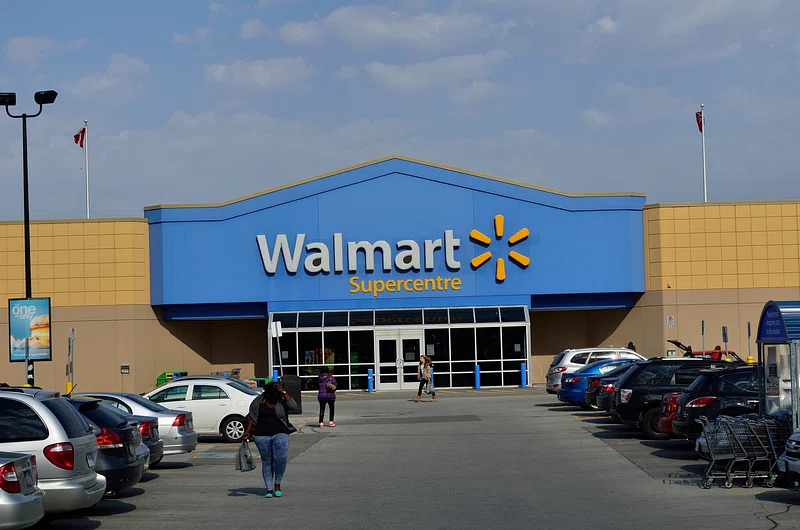
Walmart has initiated urgent recalls on bagged lettuce products after contamination with a rare parasite was detected, following a serious illness in an elderly consumer whose hospitalisation triggered a supply chain investigation. The incident raises pointed questions about detection timelines, testing protocols, and why a parasite of this type reached retail shelves in the first place.
The specific pathogen involved is a cyclospora-type parasite, an organism that causes cyclosporiasis — an intestinal illness characterised by prolonged diarrhoea, fatigue, and in vulnerable individuals, serious complications requiring hospitalisation. What distinguishes this recall is the parasite’s relative rarity in commercial fresh produce contamination events. Standard food safety testing focuses most heavily on bacterial pathogens like E. coli O157:H7 and Salmonella — organisms that appear frequently enough to justify dedicated detection protocols. Rarer parasites may receive less routine testing, creating blind spots in monitoring systems.
The detection timeline matters significantly here. In food safety incidents, the gap between contamination entering the supply chain and public notification determines how many consumers are exposed. If the initial hospitalisation case triggered the investigation, that suggests routine testing didn’t catch the contamination — consumer illness was the detection mechanism. This is a meaningful systems failure distinction from contamination caught proactively during quality checks.
Supply chain complexity is a structural vulnerability in fresh produce. Bagged lettuce passes through multiple stages — field growing, harvesting, processing and washing, packaging, distribution, and retail — each representing a potential contamination point. Previous fresh produce contamination events affecting hundreds have demonstrated how quickly a single contamination point can spread across a broad retail network before detection occurs.
Consumers holding recalled products need specific product codes and purchase date information to determine whether items require disposal. Retailers must provide this information through store notification, website updates, and public health authority channels — and must do so quickly enough that consumers check before consuming remaining product. FDA risk classifications for food recalls reflect the urgency with which different contamination types require public notification.
The broader lesson from this incident concerns testing investment. Resource constraints drive decisions about which pathogens receive routine screening. Rare parasites cost more to test for relative to their historical prevalence — a calculation that makes economic sense until a case like this one demonstrates the cost of the gap. Food safety authorities will likely revisit testing protocols for cyclospora and similar organisms following this outbreak.