 Karmactive Staff
An outbreak of cyclospora infections linked to recalled iceberg lettuce has affected thousands of people across multiple states. The FDA confirmed the contamination source and identified the products at risk.
The outbreak investigation began with illness reports. Epidemiological investigators at the CDC and FDA interviewed patients, tracked their food histories, and identified processed iceberg lettuce as a common exposure. Traceback investigations pointed to Taylor Farms de Mexico as the supplier. The company voluntarily recalled the lettuce on July 17. The investigation continues.
Here’s what the latest FDA update from August 20 shows: 10,930 confirmed cyclospora cases across 17 states, with 454 hospitalizations and 2 deaths in individuals who had underlying health conditions. The last reported illness onset was August 11, but additional cases are still being identified.
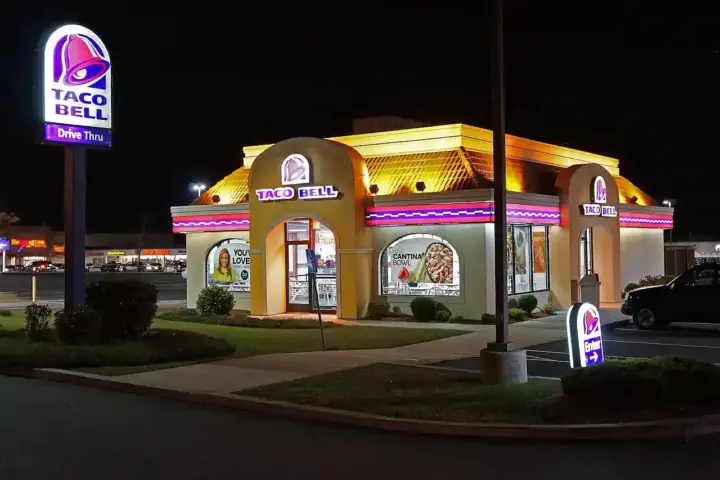
Cyclospora cayetanensis is a parasite, not a bacteria or virus. It’s transmitted through contaminated food or water. The contaminated lettuce came from Taylor Farms de Mexico and reached consumers through retail channels including Walmart Marketside bagged salads and through food service providers like Taco Bell, which stopped using the supplier on July 17.
FDA guidance explains why kitchen washing has limitations: Cyclospora oocysts—the infectious form of the parasite—have a durable protective wall and are resistant to standard chlorine-based sanitizers. FDA states that rinsing may not reliably eliminate them from produce.
If you ate the recalled lettuce, here’s what to watch for. Cyclospora symptoms include watery diarrhea, frequent bowel movements, abdominal cramps, loss of appetite, weight loss, nausea, bloating, and fatigue. These symptoms can start 2 to 14 days after exposure but often appear around 7 days. They can last weeks if untreated. Some people experience on-and-off diarrhea—they feel better for a few days, then symptoms return.
What you should do: if you develop these symptoms and ate the recalled product, see a doctor. Cyclospora requires specific antibiotic treatment—trimethoprim-sulfamethoxazole (TMP-SMX), commonly known as Bactrim. Untreated infection can lead to complications, especially for young children, elderly people, and those with immune system issues.
The recalled product’s best-by dates have passed. The lettuce should no longer be on store shelves. But if you still have some at home with a best-by date from the recall period, don’t use it.
The outbreak highlights the importance of food safety practices across the entire supply chain—from farming and processing to distribution and retail.