 Rahul Somvanshi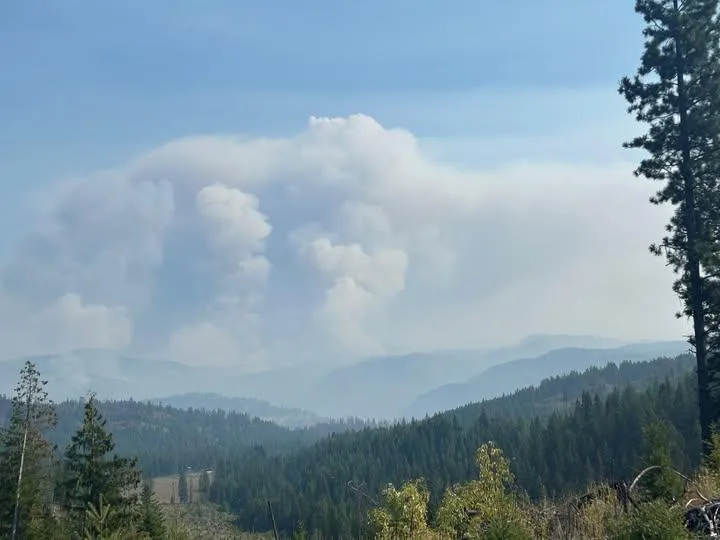
Estimated reading time: 2 minutes
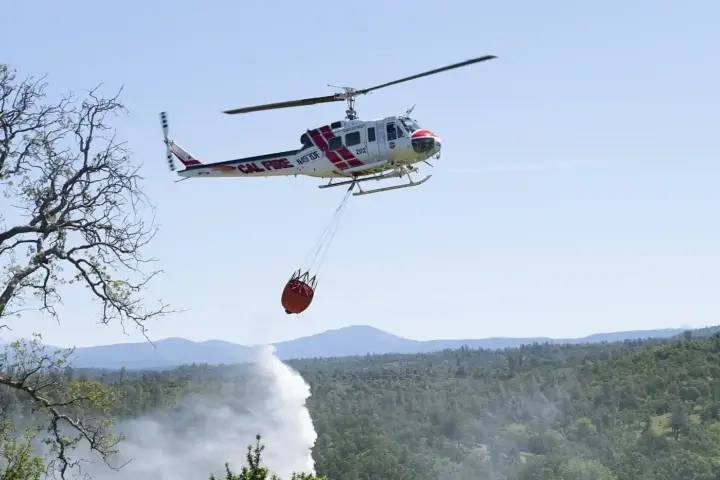
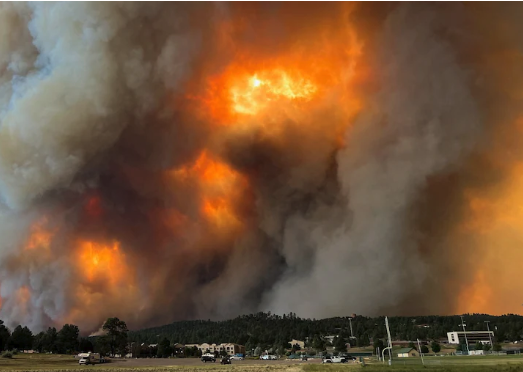
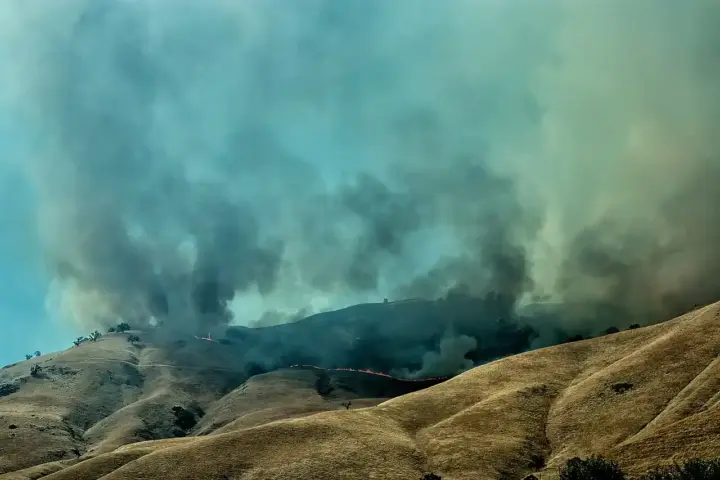
Approximately 50 large, uncontained wildfires are burning across the Pacific Northwest, sending thick smoke across Washington and Oregon. The smoke isn’t staying near the fires. It’s drifting hundreds of miles away, creating hazardous air quality in cities far from any burning forest.
Seattle, Portland, Boise, and Salt Lake City all face air quality alerts even though none of these cities have active fires nearby. The smoke traveled that far.
The scale is substantial. Large fires are burning in central and eastern Oregon, with Oregon reporting major fire activity across multiple regions. Washington is battling significant fires, mostly east of the Cascades. British Columbia has recorded significant wildfire activity as well.
Wildfires in the region have destroyed multiple structures and burned extensive acreage. Air quality officials continue monitoring real-time conditions to update current impact assessments and evacuation guidance.
Forecasters expect air quality conditions to change through the coming week. Current readings show significant particulate matter concentrations in interior locations, with hazardous or unhealthy readings in multiple communities.
Air quality varies by location. Much of the Willamette Valley, including Portland, faces air quality challenges for sensitive groups.
Health officials specifically warn vulnerable populations. Children, older adults, and people with heart or lung conditions face the highest risk. People with asthma or chronic obstructive pulmonary disease should follow their doctors’ instructions about taking medicines and follow their asthma management plans.
Local clean air agencies have issued air quality alerts for affected regions. People are advised to avoid strenuous outdoor activity when smoke is visible. If you must go outside, N95 masks provide protection.
What’s driving this disaster? A combination of factors. The region experienced an unusually warm winter that produced below-average snowpack. Snow melt was early, reducing the region’s natural water storage heading into summer. The area is experiencing drought conditions. Strong winds, high temperatures, and low humidity created extreme fire danger.
The National Weather Service issued extreme fire danger warnings, reflecting how serious conditions are.
Relief may arrive as weather patterns shift, though forecasts depend on atmospheric conditions more than on containment progress. Smoke conditions in specific cities depend on wind patterns and fire locations. The smoke is a continental problem, not just a regional one.
Similar dynamics played out in July when Canadian wildfire smoke put millions of Americans under air quality advisories across multiple regions without fires in those areas.
For residents across the Pacific Northwest and beyond, the message is clear: Monitor air quality daily. Plan outdoor activities around smoke conditions. Stock up on N95 masks. Charge air purifiers. Keep medications refilled.
The fires will likely keep burning for weeks.