 Karmactive Staff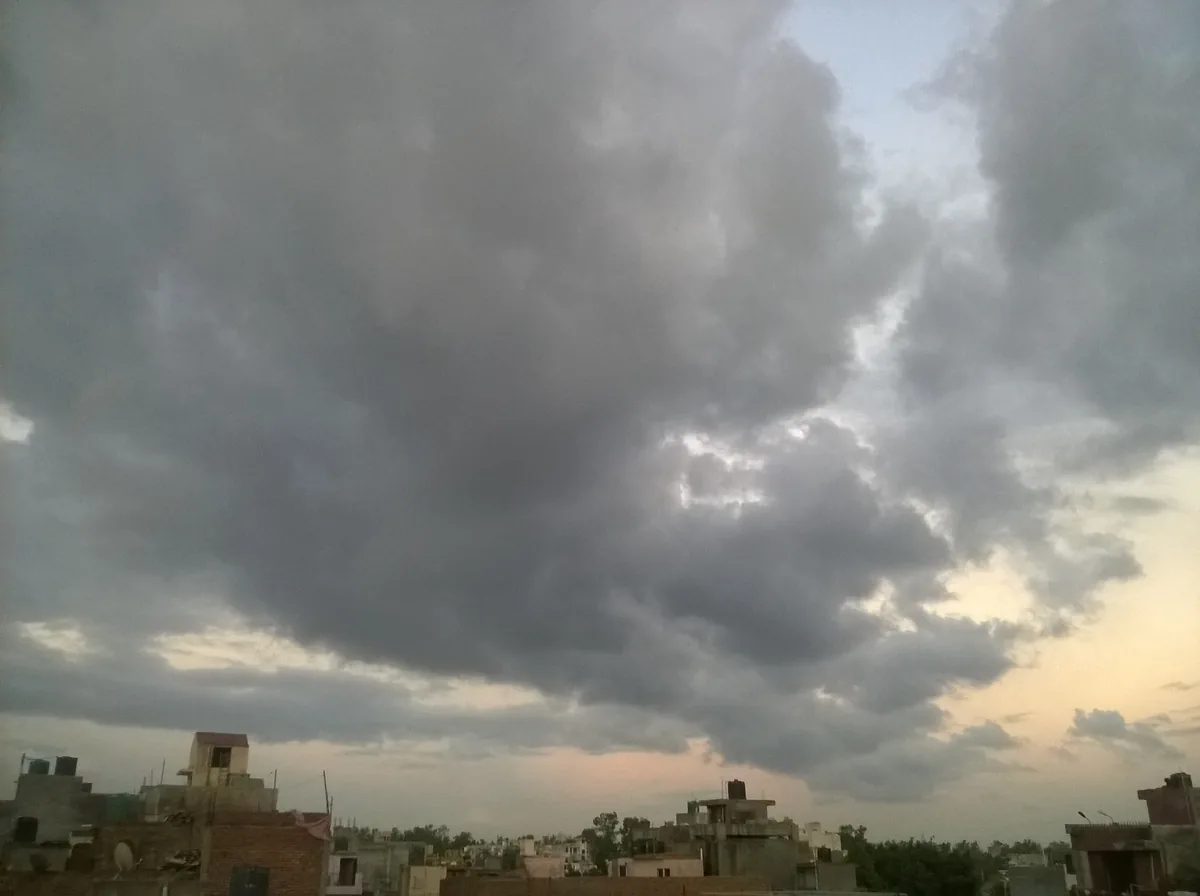
The India Meteorological Department has issued heavy-rain and thunderstorm-related warnings for several northern subdivisions in its September 10 update. Specific subdivision alerts show where immediate threats are active and where conditions are forecast to develop.
Uttarakhand faces the most severe immediate threat. Heavy rain paired with thunderstorm, lightning, and squall warnings are active through September 13. That combination means sudden intense downpours and powerful wind gusts. If you’re in Uttarakhand during this period, stay indoors during peak storm hours, avoid standing near windows, and delay outdoor activities if possible.
East Uttar Pradesh has a thunderstorm, lightning, and squall warning specifically for today, September 10. West Uttar Pradesh currently shows no active warning on the IMD’s seven-day forecast table as of this writing.
Delhi, Haryana, and Chandigarh show no current warning for today. The forecast indicates heavy-rain warnings may develop for September 14-15 in the Delhi-NCR region. Weather patterns can shift with each update, so check fresh forecasts before planning weekend activities.
What this means practically: if you’re traveling between states, road conditions could deteriorate rapidly in warned areas. Heavy rain and thunderstorms can disrupt road and other transport services, so travelers should check local advisories. If you’re commuting, allow extra time and consider alternate routes away from known waterlogging areas.
Lightning safety matters during thunderstorms. Avoid open spaces, golf courses, and water bodies. If caught outside, seek shelter in a substantial building or an enclosed vehicle, not under a tree or in a small structure. If you hear thunder, you’re close enough for lightning to reach you.
One important note: short-term heavy-rain warnings don’t mean the monsoon season will be wetter than normal overall. India’s seasonal outlook for 2026 indicated below-normal rainfall across large parts of the country. The warnings today address specific, immediate conditions—a moisture-laden weather system moving across northern subdivisions creates localized heavy rain despite an overall drier season forecast.
Check the IMD website for updates before stepping outside, especially if you’re in Uttarakhand or East Uttar Pradesh. Weather warnings change with new data, and newer forecasts supersede earlier ones. Keep an eye on official alerts rather than social media speculation about rainfall amounts or affected areas.