Karmactive Team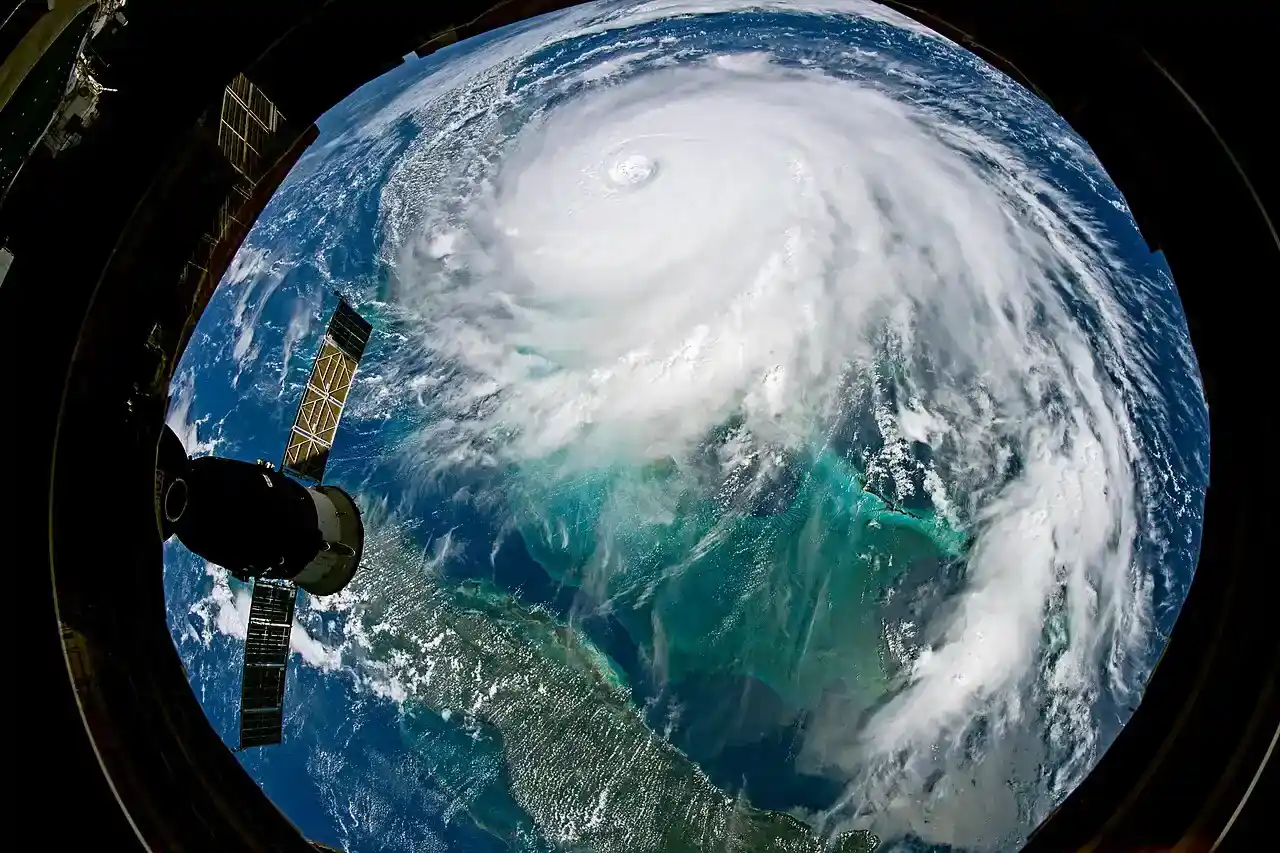
A powerful tropical system that formed in the Gulf of Mexico on Friday, 24 July 2026 has rapidly escalated into Hurricane Genevieve, a Category 5 storm that is tracking toward the US Gulf Coast with maximum sustained winds exceeding 160 mph (257 km/h). The National Hurricane Center is urging residents across a wide stretch of coastline to take immediate protective action.
Formation and Rapid Intensification
Genevieve began as a tropical depression on Friday 24 July, strengthening to a named tropical storm the same day. Over the following 48 hours it underwent rapid intensification — a well-documented phenomenon in which a storm’s winds increase by at least 35 mph within 24 hours — fuelled by exceptionally warm sea surface temperatures in the Gulf of Mexico. The disaster risk escalated sharply as forecasters upgraded the system to Category 5.
Projected Track and Landfall
According to the National Hurricane Center track, Hurricane Genevieve is expected to make landfall along the upper Gulf Coast within the forecast window. Communities in coastal Louisiana, Mississippi and Alabama face the highest risk of life-threatening storm surge, with models projecting surge heights of up to 18 feet (5.5 m) above normal tide levels in vulnerable low-lying areas.
What Residents Should Do Now
- Evacuate immediately if you are in a mandatory evacuation zone — do not wait
- Prepare a disaster supply kit: water, non-perishable food, medications, documents
- Board up windows and move outdoor furniture inside
- Know your local shelter locations and have a communication plan
- Do not drive through flooded roads — “Turn Around, Don’t Drown”
Climate Context
Warmer-than-average Gulf of Mexico water temperatures — a pattern linked to ongoing climate change — have provided the fuel for Genevieve’s explosive intensification. Meteorologists note that rapid intensification events have become more frequent in recent decades, leaving coastal populations with shrinking windows to prepare.
Federal Response
The Federal Emergency Management Agency (FEMA) has pre-positioned resources in neighbouring states and is coordinating with local emergency managers. President Biden issued emergency declarations for affected states, unlocking federal disaster relief funds ahead of landfall.
Anyone in the potential impact zone should monitor the National Hurricane Center for real-time updates and follow all official evacuation orders without delay.
External Sources: National Hurricane Center — NHC | NOAA National Weather Service | FEMA