 Sonali Tiwary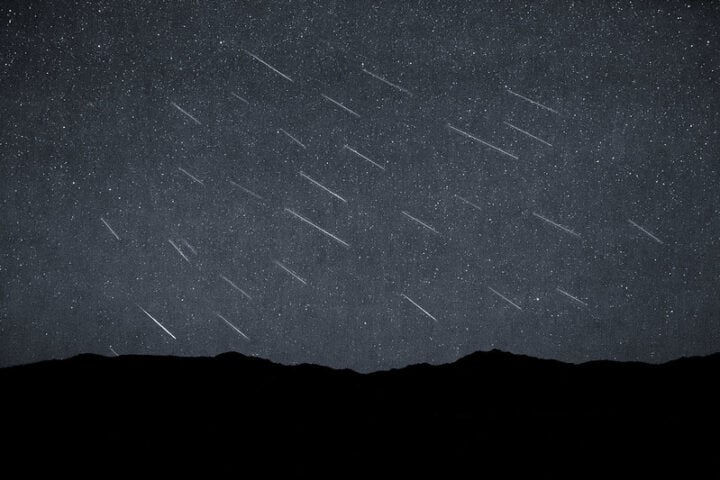
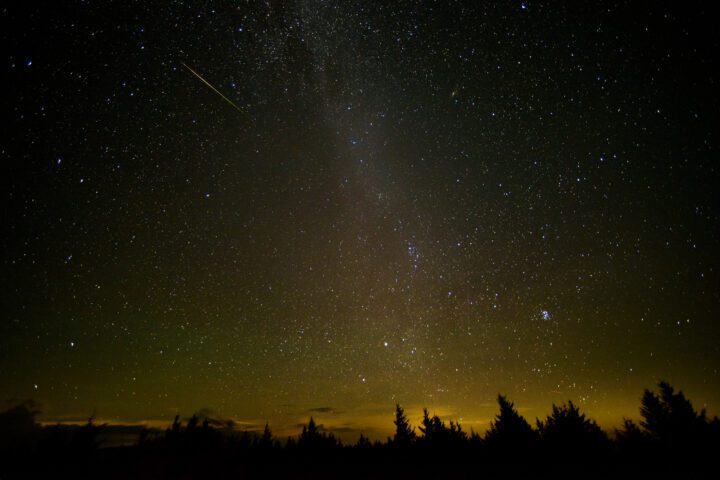
Every August, Earth passes through the debris trail of Comet Swift-Tuttle, producing one of the year’s most reliable sky shows: the Perseid Meteor Shower. In 2026, the Perseids are expected to deliver an especially vivid display, with astronomers forecasting up to 100 meteors per hour at peak activity — and a favourably dark moon that will keep background light low.
When Is the Peak?
The Perseid Meteor Shower is active from late July through 24 August, but the best night to watch is August 12–13, 2026, when Earth moves through the densest part of the comet’s debris stream. Viewing begins as darkness falls, but the show intensifies after midnight local time, when the radiant point in the constellation Perseus climbs high into the northern sky.
Where to Watch
The Perseid Meteor Shower is visible from the entire Northern Hemisphere and, to a lesser degree, from latitudes below the equator. The single biggest factor in how many meteors you see is light pollution. Drive at least 30 km away from city centres to a dark, open field or a rural hilltop. Lie flat on a blanket, face up, and let your eyes adjust for about 20 minutes before counting shooting stars.
- Best time: 2 a.m.–4 a.m. local time on 12–13 August
- Direction: Anywhere in the sky — meteors radiate outward from Perseus in the northeast
- Equipment: None needed — binoculars and telescopes actually reduce your field of view
- App tip: Download a free star-chart app to locate Perseus if unsure
Why the Perseids Are So Reliable
Comet Swift-Tuttle completes one orbit of the Sun every 130 years, but it left a thick trail of ice and dust across Earth’s orbital path centuries ago. Every August, our planet sweeps through this debris, and the particles — most no larger than a grain of sand — streak across the upper atmosphere at 212,000 km/h, vaporising in a flash of light. The science behind the show is well understood, making the Perseids one of the most predictable meteor showers of the year.
2026 Viewing Conditions
A thin crescent moon sets early on the peak night, leaving skies genuinely dark by late evening. Sky-watchers in rural areas can realistically expect to count 50–100 meteors per hour. Even from suburban locations, 20–30 bright streaks per hour is achievable. A small percentage of Perseids are fireballs — exceptionally bright meteors that can briefly illuminate the entire sky.
Photography Tips
If you want to photograph the shower, set your camera on a wide-angle lens (14–24 mm), open the aperture to f/2.8 or wider, set ISO between 1600–3200, and use 20–25 second exposures on a tripod. Point the camera at the northeast and take continuous shots throughout the night. With luck, you will capture several bright Perseids in a single frame.
The Perseid Meteor Shower is a completely free natural event that requires no telescope, no membership and no experience — just a clear sky and a willingness to look up. Mark 12–13 August in your calendar and head outside after midnight.
External Sources: NASA — Perseids Overview | American Meteor Society