 Sonali Tiwary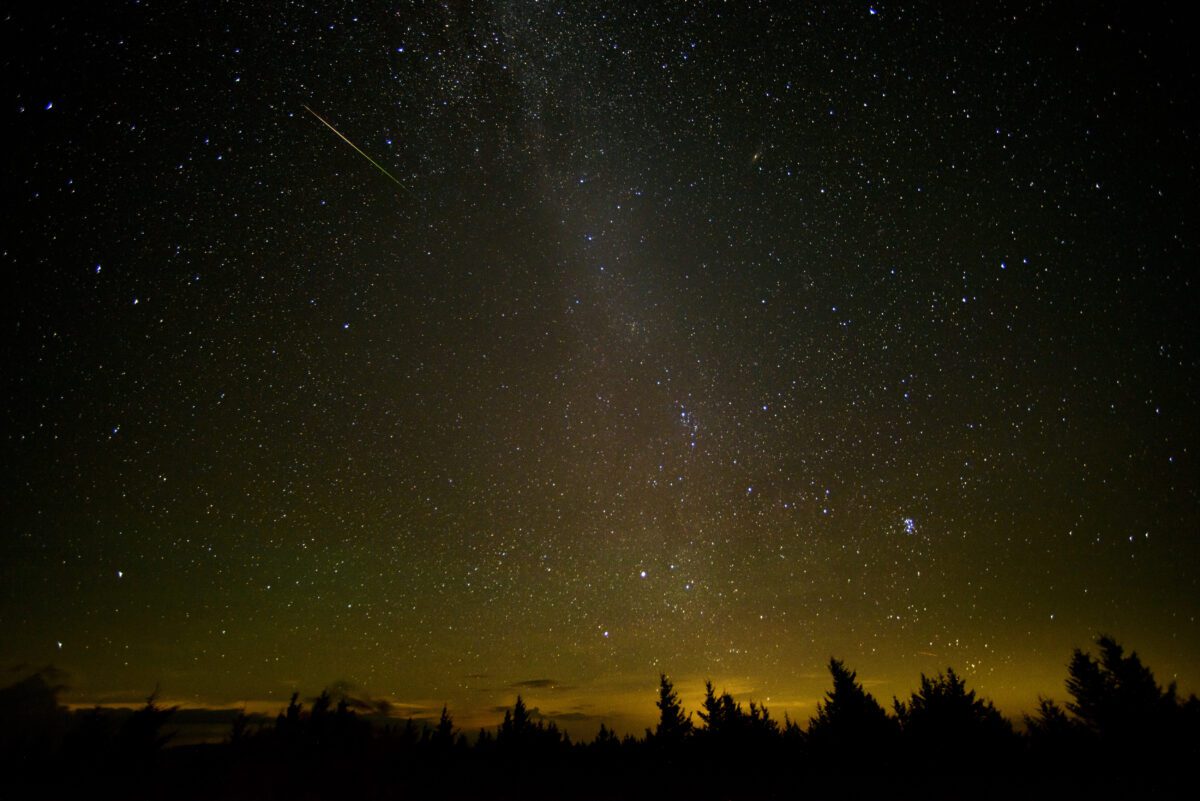
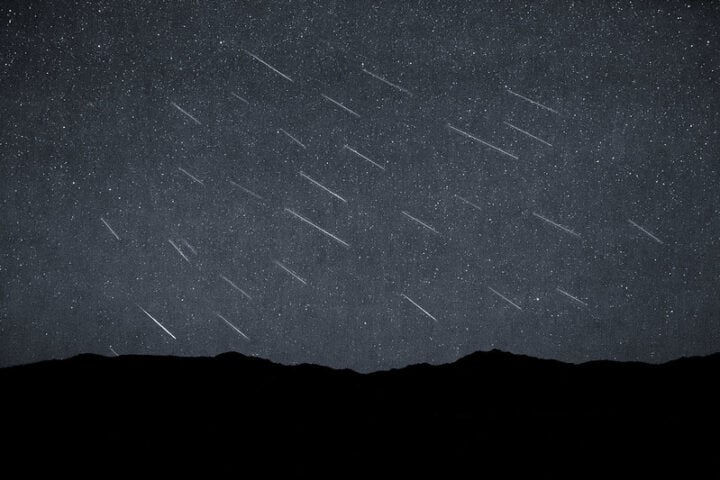
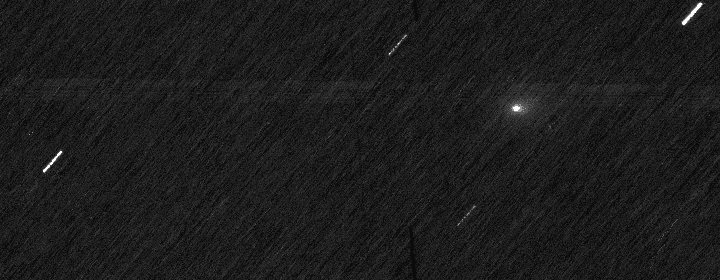
The Perseids meteor shower reaches its peak on the night of August 12-13, 2026, offering stargazers one of the year’s most dramatic astronomical events under exceptionally favorable conditions. The timing is rare and fortunate: the peak coincides with a new moon, eliminating moonlight interference and creating ideal dark-sky viewing conditions. **[EDITED]** Forecasters predict up to 100 meteors per hour, with some forecasts as high as 150—a display of uncommon intensity tied to Earth’s passage through the debris field of Comet 109P/Swift-Tuttle.
The combination of a moonless night and high meteor activity makes 2026 an exceptional year for observation. Astronomers recommend finding locations far from light pollution, allowing 20 to 30 minutes for eyes to adjust to darkness, and viewing after midnight when the radiant point in the constellation Perseus reaches its highest position in the sky. No special equipment is required—naked-eye viewing is both optimal and sufficient to observe meteors streaking across the darkness.
Best viewing conditions are achieved from comfortable vantage points with unobstructed sky views, ideally away from city lights that would wash out fainter meteors. Observers should settle in for extended viewing, as the visual experience intensifies during the predawn hours when the radiant reaches peak altitude. Clear skies and patience are the only prerequisites for success.
Recognizing the significance of this year’s peak, NASA is hosting a live YouTube watch party beginning at 12 a.m. ET on August 13, offering real-time commentary and technical insights. The watch party provides an opportunity for both experienced astronomers and newcomers to engage with the event collectively, with expert narration enhancing understanding of the phenomena being observed.
The Perseids represent one of the most consistent and reliable meteor showers of the year, but the 2026 peak’s convergence with a new moon elevates this year’s event to exceptional astronomical status. The association with Comet 109P/Swift-Tuttle—a periodic visitor to Earth’s vicinity—adds historical and scientific context to the display. For those able to venture outdoors during the predawn hours of August 13, the effort promises an unforgettable display of celestial motion, a tangible reminder of Earth’s dynamic place within a solar system constantly traversed by cosmic debris and the legacy of ancient comets.