 Rahul Somvanshi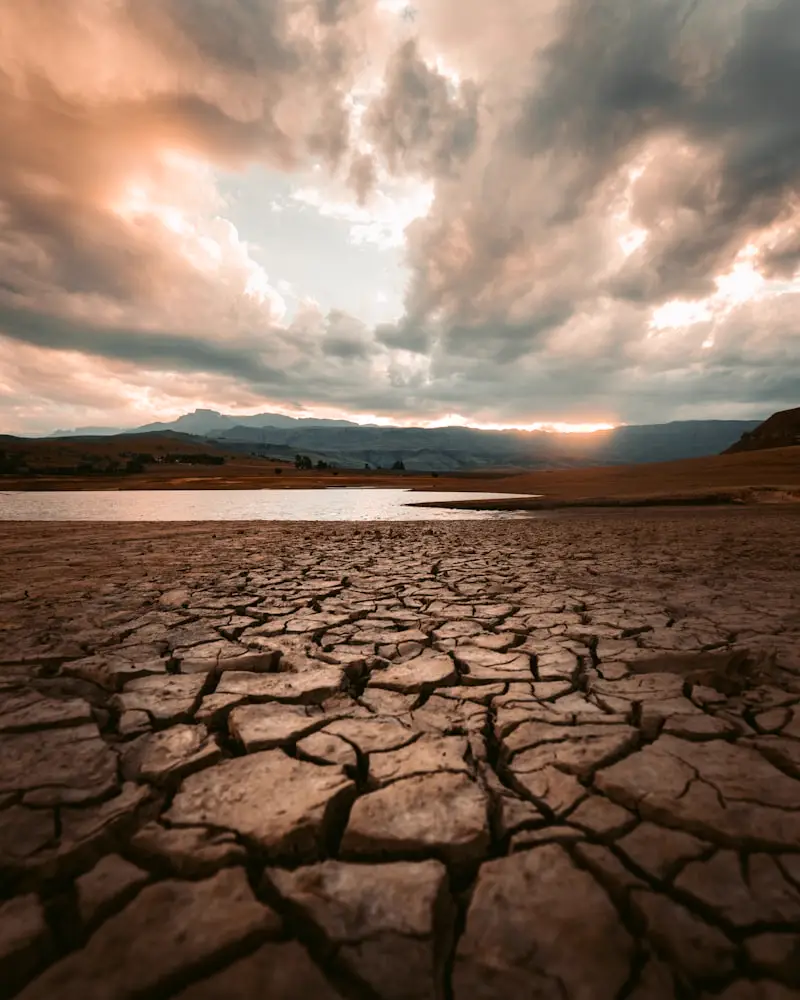
Britain is gripped by a worsening crisis of wildfires, drought, and extreme heat this summer, with firefighters and farmers facing their most challenging conditions in decades. Prime Minister Andy Burnham announced on August 15, 2026, that an extra 65 million pounds would be made available to support drought-hit farmers, acknowledging the scale of the agricultural emergency facing the country.
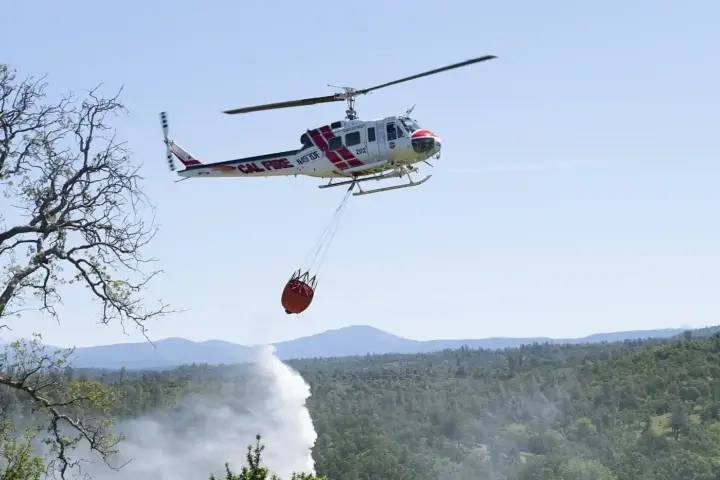
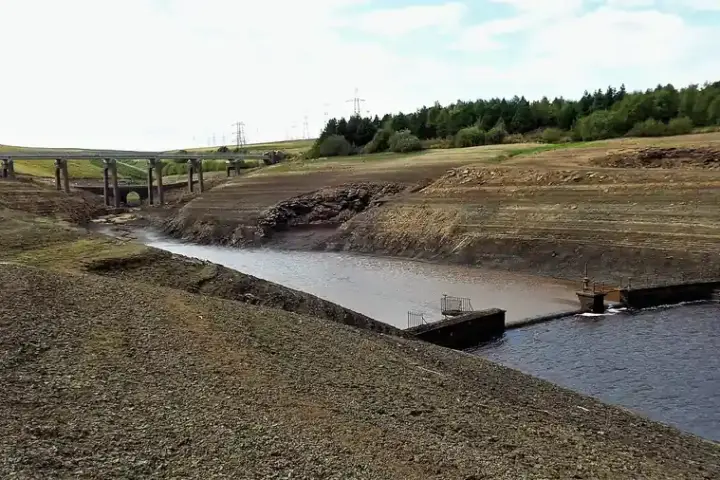
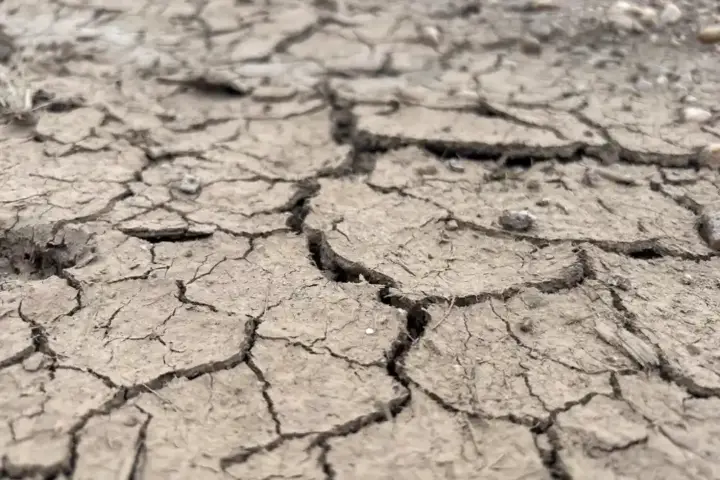
According to the UK Met Office, July 2026 was the driest month on record since 1836, with 71.3 percent of England now classified as experiencing a “flash drought” by the Environment Agency. England and Wales have experienced 966 wildfires so far this year, with 185 of these occurring in just the first ten days of August. July proved to be the busiest month on record for UK wildfires, with 458 incidents recorded during that month alone, according to data cited by the BBC. The Fire Brigades Union has warned that the country is facing a “national emergency.”
The London Fire Brigade responded to 392 wildfires across the capital during this summer season alone, while also attending 68 water rescues. The government has allocated 97 million pounds specifically for enhanced firefighting capabilities across the UK.
Several major blazes have captured national attention, reminiscent of major disasters like the New Mexico wildfire that destroyed 200 structures. A significant wildfire at Dunwich Heath in Suffolk has burned large areas of protected heathland, while the Isle of Wight has battled flames at Headon Warren. In Wales, firefighters tackled a major incident at Llanwonno, and the New Forest in Hampshire experienced a particularly dramatic blaze that started from a van fire and spread across an area equivalent to approximately 140 football pitches, according to BBC reporting.
The heatwave crisis that preceded this August emergency has already claimed lives. Record temperatures in May and June 2026 resulted in more than 2,800 heat-related deaths, according to figures from the UK Met Office, a toll that exceeds even the 2022 heatwave’s impact. With a fifth heatwave now approaching, meteorologists are warning that temperatures could reach 36 degrees Celsius, equivalent to 97 degrees Fahrenheit, bringing further dangers to the population.
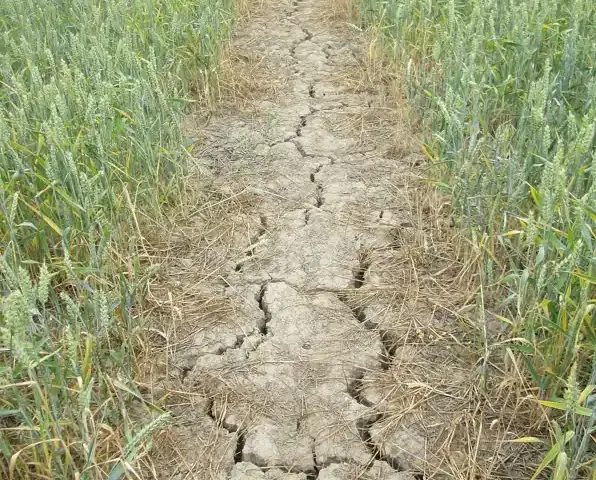
The combined effect of the heat and drought is wreaking havoc on agricultural output. The cereal harvest is on track to be the worst since 1984, according to Environment Agency assessments. This poor harvest will have significant implications for food security and farm incomes across the country.
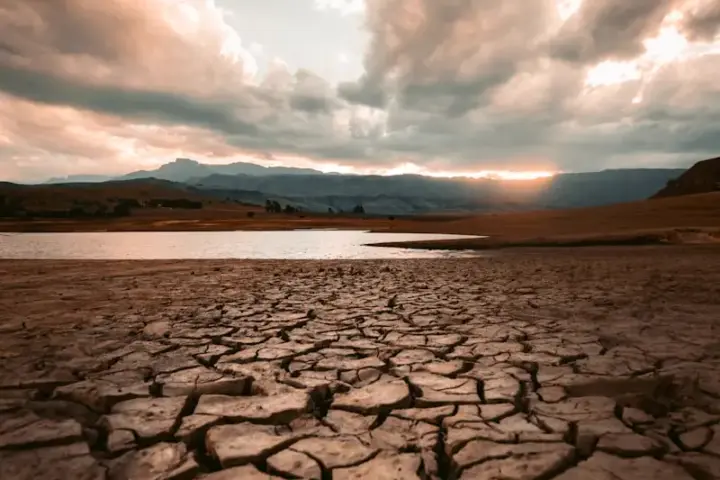
The crisis reflects broader climate concerns. Scientists have pointed to the warming climate as a factor intensifying extreme weather events, making both heatwaves and droughts more severe and frequent. Similar extreme weather patterns are being seen globally, from Canadian wildfire smoke impacting Atlantic cities to California’s persistent drought, underscoring how the confluence of multiple emergencies occurring simultaneously has exposed vulnerabilities in how the UK’s infrastructure and services respond to concurrent environmental disasters.