Sunita Somvanshi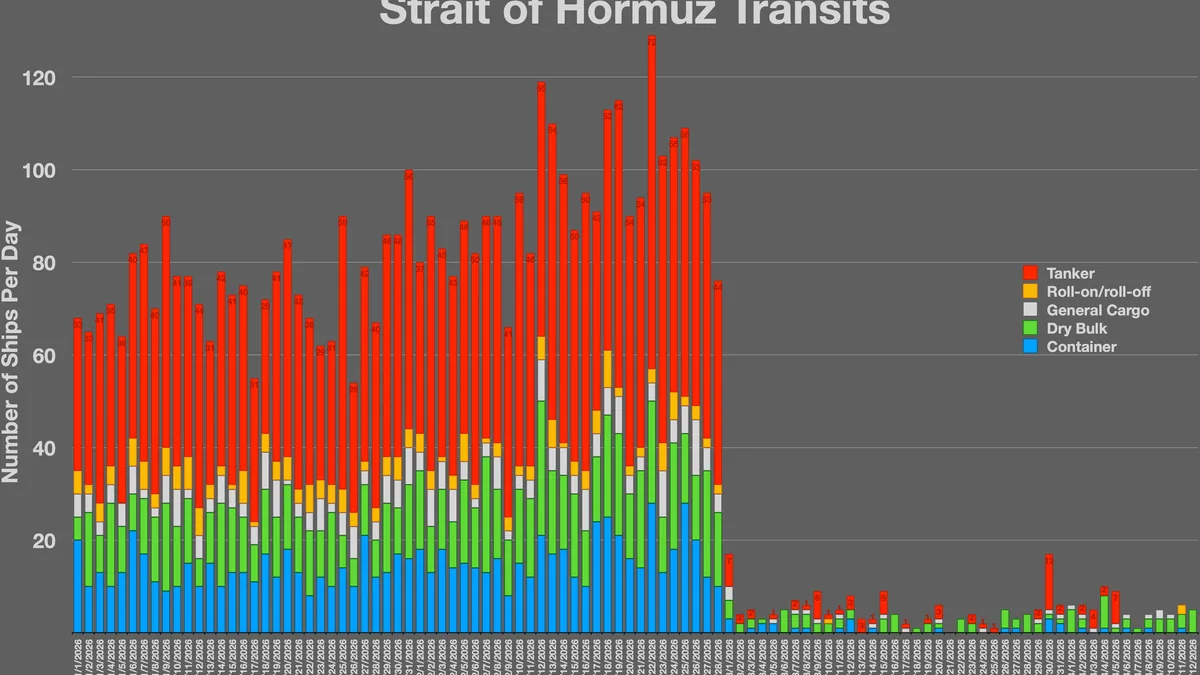
Gas prices at your local pump depend on stability near the Persian Gulf. When US-Iran tensions spike, oil markets react within hours. That’s why the latest round of nuclear talks matters to your wallet. Trump administration negotiators are back at the table this week, with Qatar mediators shuttling between Washington and Tehran.
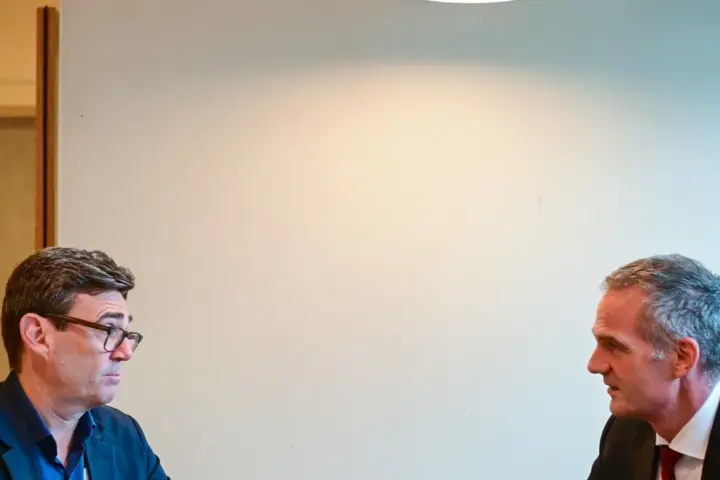
On September 28, a US official told CNN that Trump is open to sanctions relief for concrete progress on nuclear issues. The talks are described as “positive and constructive” through back-channel mediators. Trump’s team includes White House envoy Steve Witkoff, senior adviser Jared Kushner, Vice President JD Vance, and Secretary of State Marco Rubio. The sticking points remain substantial. Trump rejected Iran’s Strait of Hormuz reopening proposal on September 26 as “unacceptable.” Iran’s Foreign Minister Abbas Araghchi responded that the country stands ready for diplomacy while remaining prepared for conflict. UN Ambassador Mike Waltz called Iran’s initial offer “a pretty cynical attempt” to extract concessions without substance.
If talks collapse, oil spikes within hours. The Strait of Hormuz carries one-fifth of global oil supply. Every day mediators fail, drivers at pumps worldwide pay more at the register. This is not distant geopolitics. It is direct wallet impact. Disruption in the Gulf doesn’t stay in the Gulf.
Where Talks Stand Now
The breach point centers on whether Iran will return to terms it already violated. In July 2026, Iran fired on commercial vessels, breaking the June memorandum’s core commitments. Trump refuses to restore that agreement as the baseline — see the US Department of State sanctions program for context; Iran insists on restoration as the only viable path forward. A senior Middle East official told reporters Iran could compromise on nuclear commitments but demands sanctions relief, blockade lifting, and frozen asset release as precondition — see our prior coverage of the US-Iran truce collapse—a sequencing the US has rejected. Qatar continues passing messages between negotiators, with formal sessions suspended but back-channels active. Trump told Axios on September 27 he expects more talks this week. His public position is firm: Iran must accept American terms, not negotiate mutually on equal footing.
On September 26, Trump said he would like to make a deal, but added that Iran’s current offer would not be acceptable. That contradiction—rejecting their proposal while demanding they accept his—defines the standoff. What separates this from prior failed negotiations is Trump’s stated willingness to provide sanctions relief and release frozen funds. Yet those benefits remain conditional on measurable nuclear progress, not symbolic gestures. Iran wants guarantees upfront; Trump demands commitments first, with relief following verification. UN Ambassador Waltz characterized Iran’s approach as “asking everything up front” without reciprocal movement. The tone is diplomatic but the substance is gridlock.
Araghchi’s statement that Iran is “fully prepared for the war to resume” while standing “ready for diplomacy” captures the dual-track approach both nations employ. Military preparations continue alongside diplomatic discussions; neither side has fully committed to either path — assessment.
Trump rejects Iran’s proposal while saying he wants a deal, but only on his terms — assessment. Iran proposes reopening Hormuz as a confidence measure; Trump calls it unacceptable without preconditions. Then Trump says he wants a deal, but not one Iran proposed. Both sides have stated readiness for talks while arming rhetoric about conflict — assessment.
**Is Trump open to an Iran nuclear deal?** Yes. Trump administration officials confirmed openness to sanctions relief and releasing frozen funds in exchange for concrete progress on nuclear commitments. Talks continue through Qatar mediators and are characterized as positive and constructive. Nuclear commitments come first; relief is conditional, not automatic. This marks a shift from prior absolute demands.
FAQ
Q: What are the conditions for sanctions relief?
A: Concrete progress on nuclear issues. Relief is conditional, not automatic. Any frozen funds release ties to measurable nuclear milestones, verified through international monitors, not political gestures or statements of intent.
Q: Who is mediating these talks?
A: Qatar mediators carry messages between Washington and Tehran, working as neutral intermediaries. US negotiators include Steve Witkoff, Jared Kushner, VP JD Vance, and Secretary of State Marco Rubio leading the American side.
Q: How does this affect gas prices?
A: The Strait of Hormuz carries one-fifth of global oil supply. Any disruption spikes oil prices at US and UK and Australian pumps within days — the EIA projects Brent near $90/barrel. Stable talks keep energy costs stable.
Trump expects talks to continue this week. Mediators remain in motion. Markets watch for any sign the two sides will move beyond parallel statements and conditional offers. The next seventy-two hours will show whether negotiators can shift from rhetoric to substance. Oil traders are timing their positions on the outcome.