 Karmactive Staff
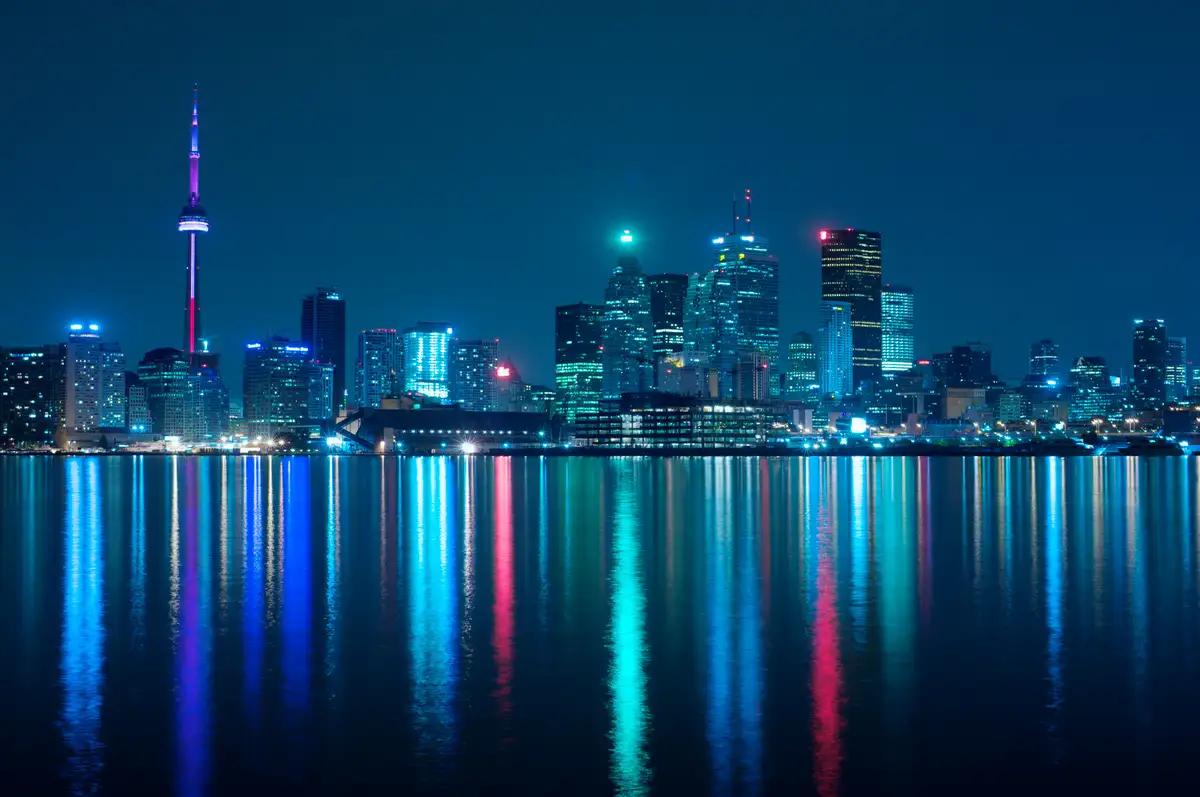
Nuit Blanche Toronto returns October 3, 2026, as a free, city-wide all-night public art event running from 7 PM through 7 AM. The festival draws tens of thousands of residents and visitors across Toronto’s neighborhoods, public spaces, streets, and parks, viewing installations created specifically for the event. For attendees deciding whether and how long to attend, the main decision is realistic time planning. Nuit Blanche is free, but the cost is measured in hours, physical energy, late-night transit navigation, and fatigue that stretches into the next day. A thoughtful visitor plans a route that respects their own capacity, focuses on installations within walking or short-transit distance, monitors accessibility updates, and understands the environmental cost of an all-night event that consumes electricity and services. The real value in Nuit Blanche lies in experiencing art in public space, moving through the city at night with other residents, and thinking about how Toronto’s infrastructure and public realm function after dark. Toronto Nuit Blanche official
Nuit Blanche Toronto 2026 takes place October 3 from 7 PM to 7 AM across multiple neighborhoods. The City of Toronto organizes the event, providing permits and city resources; artists and cultural organizations create or curate installations in public parks, streets, plazas, and spaces designated for the night. The festival has featured nearly 1,800 installations since its launch in 2006. Most Nuit Blanche installations are free; some partner venues charge entry—verify current pricing on the official site before attending. The festival draws large crowds across the night, concentrated in downtown Toronto and along key transit corridors. That scale creates real infrastructure stress: transit systems run extended hours and increased capacity, but buses and trains become extremely crowded between midnight and 3 AM. Public restrooms are limited; most retail facilities close, leaving few bathrooms available across the city. Security presence increases, though the festival remains a relatively safe event with good community policing. The environmental cost of an all-night event includes extended electricity consumption for installations and streetlights, increased transit energy use, and waste generated by large crowds spending twelve hours on city streets. City of Toronto
For attendees, honest time planning is essential. If you arrive at 7 PM, you won’t last until 7 AM; very few people do. Most attendees stay between three and five hours, viewing installations in a concentrated area, moving at a human pace, then heading home. Choose a neighborhood or corridor—the Entertainment District, St. Lawrence, King West, or Harbourfront—and build a route within that area rather than planning to hop between distant neighborhoods. Transit will be extremely crowded between 10 PM and 2 AM; if you plan to move between neighborhoods during those hours, add extra time and expect delays. Many attendees use transit to reach their chosen area by 8 or 9 PM, spend three hours exploring installations on foot, then depart by midnight. This approach gets you home before transit becomes dangerously crowded, lets you experience the event at a pace where you can actually see and think about the art, and reduces the risk of exhaustion-based mistakes or missed transit connections. Wear comfortable walking shoes, bring a reusable water bottle (most public fountains remain accessible), and dress for October weather with layers you can remove if you’re active. Many Nuit Blanche attendees treat the night as a costume or dress-up event; that’s fine, but ensure your clothing allows comfortable walking for three-plus hours. Ontario Arts Council
Nuit Blanche’s all-night structure is what makes it distinctive; that structure is also what makes it inaccessible for many people. If you’re a parent with young children, a person with mobility limitations, someone who requires sleep for health reasons, or someone with limited access to transit, the twelve-hour window can exclude you entirely. Some partner venues offer abbreviated programming or daytime preview hours; check before the festival whether specific installations open earlier or run again the next day. The festival’s accessibility FAQ addresses mobility routes, rest areas, accessible transit, and sensory-friendly information; read it before planning your route. Artists create Nuit Blanche installations knowing they’ll be experienced by massive crowds in public space, often from a distance or in passing. That context shapes what work gets created; large-scale, visually striking installations tend to succeed in the Nuit Blanche environment, while quieter or more site-specific work can get lost. When you move through the city at night, take time to notice what art requires slowing down, what installations demand your full attention, and what work rewards close looking. That discernment is part of the experience.
Nuit Blanche works because Toronto treats public space as a place for art and public gathering, beyond transit and commerce. When you attend, you’re implicitly voting for that vision. Respect the installations (do not touch, climb on, or damage work), use transit responsibly, and dispose of waste properly. An all-night public art festival is a rare urban gift; how you attend shapes its future. Canada EU associate Canada net-zero mandate Canada Indigenous microgrid 49er sailing
When is Nuit Blanche Toronto 2026? Is Nuit Blanche free? What time does Nuit Blanche run? Nuit Blanche Toronto 2026 takes place October 3 from 7 PM to 7 AM and is free to attend. Installations are scattered across public space citywide, with concentrations in downtown and along major transit corridors. Most installations are free to view; some partner venues charge entry—verify current pricing on the official site. Transit operates extended hours from 7 PM through early morning; check the TTC website for routes and frequency. Plan to stay between three and five hours rather than attempting the full twelve hours. Accessible information and accommodation requests are available through the Festival’s official accessibility page.
An all-night public art festival is worth one trip to experience how your city feels after dark. Make it a three-hour commitment, explore one neighborhood carefully, and head home before transit crushes. That pacing is more rewarding than running on exhaustion trying to see everything.