 Govind Tekale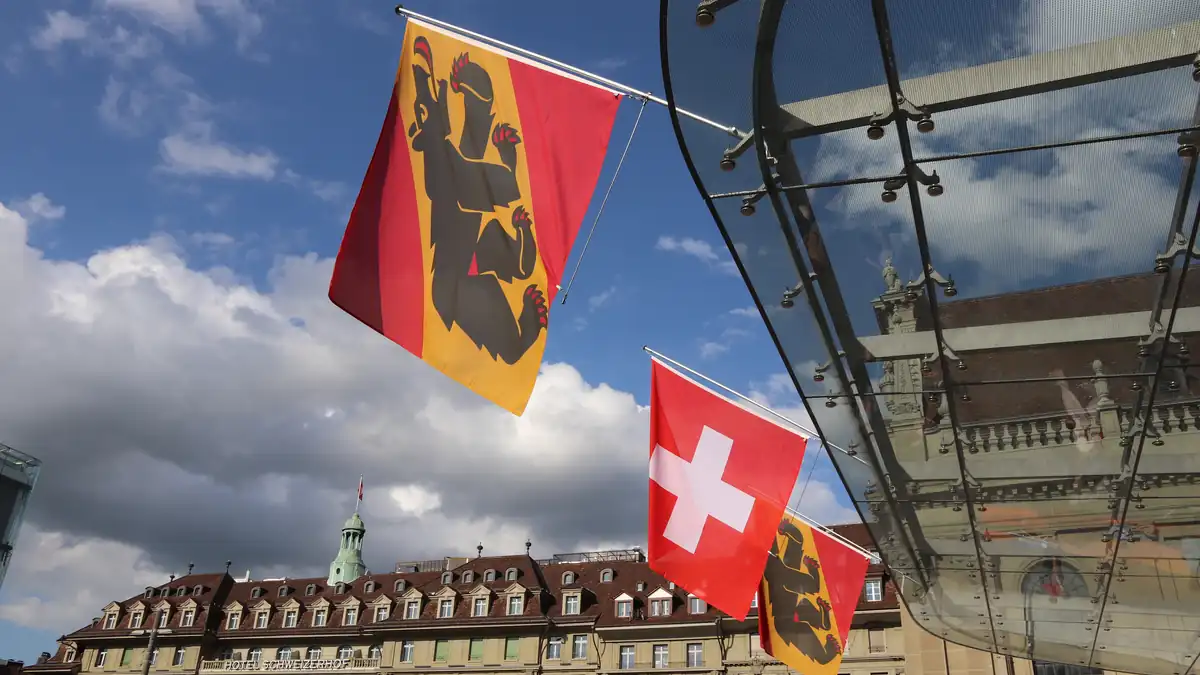
Swiss voters rejected an initiative on Sunday that would have tightened the country's constitutional neutrality, restricting its ability to impose sanctions on countries at war and limiting military cooperation with defence alliances. The existing framework stays in place. Here is what was actually on the ballot and what the result means.
What the initiative would have changed
Swiss neutrality is already written into the constitution. The initiative did not ask whether Switzerland should abandon neutrality. Instead, it asked whether that neutrality should be applied more strictly — in a way that would have constrained several things Switzerland currently does.
Under the initiative, Switzerland would have faced new limits on joining international sanctions regimes against belligerent states, except in narrow specified circumstances. It would also have faced restrictions on military and defence-alliance cooperation with other countries. The initiative was associated with Pro Schweiz and supported by the Swiss People's Party, whose supporters argued the existing arrangements had drifted away from Switzerland's traditional neutral position, particularly after the country joined EU sanctions against Russia following the invasion of Ukraine.
What the result means
Voters rejected the initiative with 70.15% voting No and 29.85% voting Yes. The official Swiss Federal Chancellery voting dashboard confirms the proposal failed in every canton. The constitutional framework governing neutrality remains unchanged. Switzerland can continue to cooperate with other states on defence and security matters and can participate in international sanctions regimes as it does now.
The "no" vote does not mean Switzerland is reconsidering neutrality itself. It means voters decided not to constitutionally tighten how it is applied. The Federal Department of Foreign Affairs describes neutrality as a long-standing principle of Swiss foreign policy, and that principle is not affected by this result.
For anyone following European security policy, Switzerland's relationship with NATO and the EU is covered in a broader explainer that gives context on what defence cooperation currently involves.
What Switzerland does and does not do under current neutrality
Switzerland is not a NATO member. It does not participate in collective defence arrangements. But it cooperates on specific defence and security matters with other states and has been part of sanctions regimes. The initiative would have made those activities harder to justify under the constitution.
The distinction matters because commentary after a referendum result sometimes collapses several separate questions. Switzerland did not vote on whether to join NATO. It voted on whether to apply a stricter interpretation of the neutrality it already has.
The result is that the country's foreign policy toolkit remains as it was. Future decisions about whether to join or leave specific sanctions regimes, or deepen or reduce security cooperation, will be made through the same political and legal channels as before.
For readers tracking European security more broadly, the result removes one variable from the discussion but does not settle how Switzerland will position itself on specific future questions — that depends on political decisions that have not yet been taken.