Karmactive Team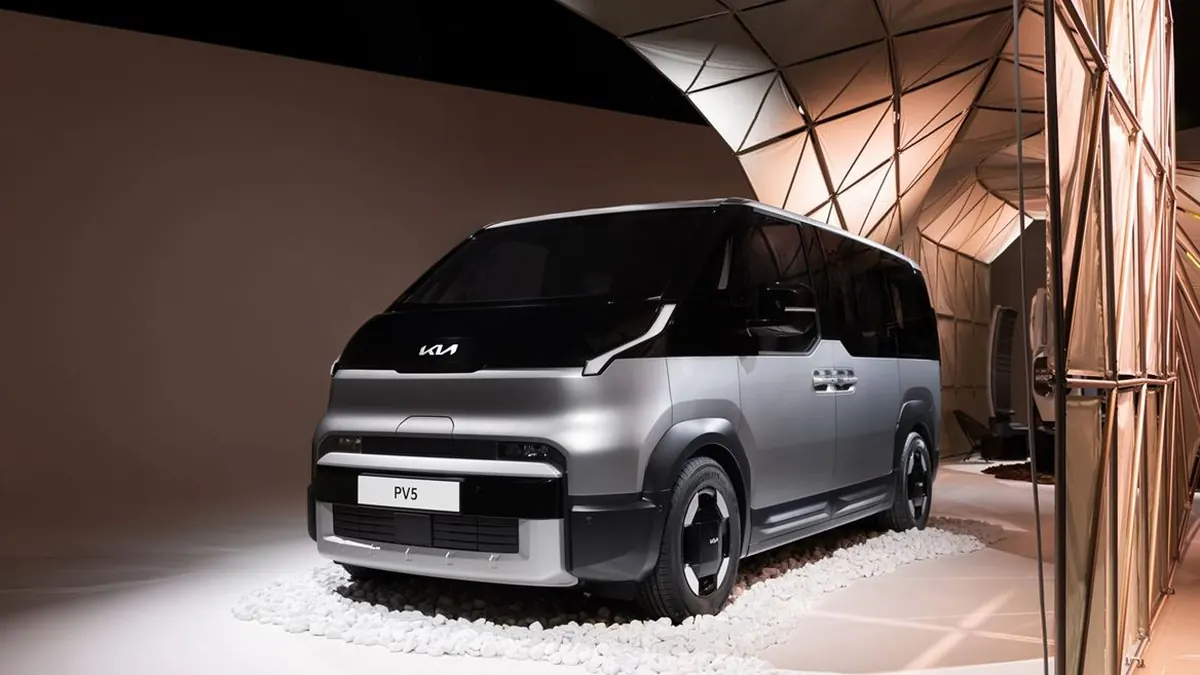
Kia's PV5 Chassis — the chassis-cab variant of the PV5 commercial platform — is launching in Europe with a 71.2 kWh NCM battery and 120 kW motor. The PV5 Cargo configuration achieves up to 416 km WLTP range; Chassis Cab range is subject to homologation and has not been officially confirmed. Here's what the specifications mean for fleet operators comparing it against the existing light-commercial EV field.
Kia's European product pages confirm the PV5 Cargo configuration's core powertrain: a 71.2 kWh NCM battery, 120 kW and 250 Nm motor output, and a WLTP range of up to 416 km for the relevant PV5 Cargo configuration. The 10–80% charge window takes approximately 30 minutes under rapid charging. The chassis-cab format delivers a bare cab and frame without a pre-fitted rear body. Conversion companies then fit the body to specific trade requirements — refrigeration units, service bodies, welfare modules or dry-freight cargo enclosures.
Range and payload performance will vary depending on the weight and aerodynamic profile of the fitted conversion body. The 416 km WLTP figure is specific to the PV5 Cargo configuration tested; refrigerated conversions in particular add significant weight and will reduce real-world range.
What the PV5 Chassis Offers Fleet and Conversion Operators
Kia's PBV (Platform Beyond Vehicle) architecture for the PV5 uses an Easy Swap modular body architecture that allows conversion bodies to be replaced mid-lifecycle while retaining the base vehicle and powertrain. For fleet operators managing mixed-use vehicles or contracts that change over time, that has practical whole-of-fleet cost implications compared with replacing a complete vehicle when body requirements change.
The 71.2 kWh specification positions the PV5 Chassis against competitors including the Ford E-Transit Custom and Mercedes-Benz eVito in the European light-commercial EV segment. UK fleet operators have been under pressure to electrify commercial vehicles under low-emission zone requirements in London and other major cities, which makes the WLTP range and 30-minute rapid charging specification commercially relevant for urban delivery operations.
The transport electrification angle for the PV5 platform is genuine: replacing diesel light-commercial vehicles at fleet scale has a meaningful emissions impact, and the chassis-cab format gives operators flexibility to match zero-emission powertrains to a wider range of bodywork configurations than a panel-van form factor allows.
Kia has confirmed European commercial deliveries of the PV5 platform. UK and broader European fleet pricing was not confirmed in available source material.