 Govind Tekale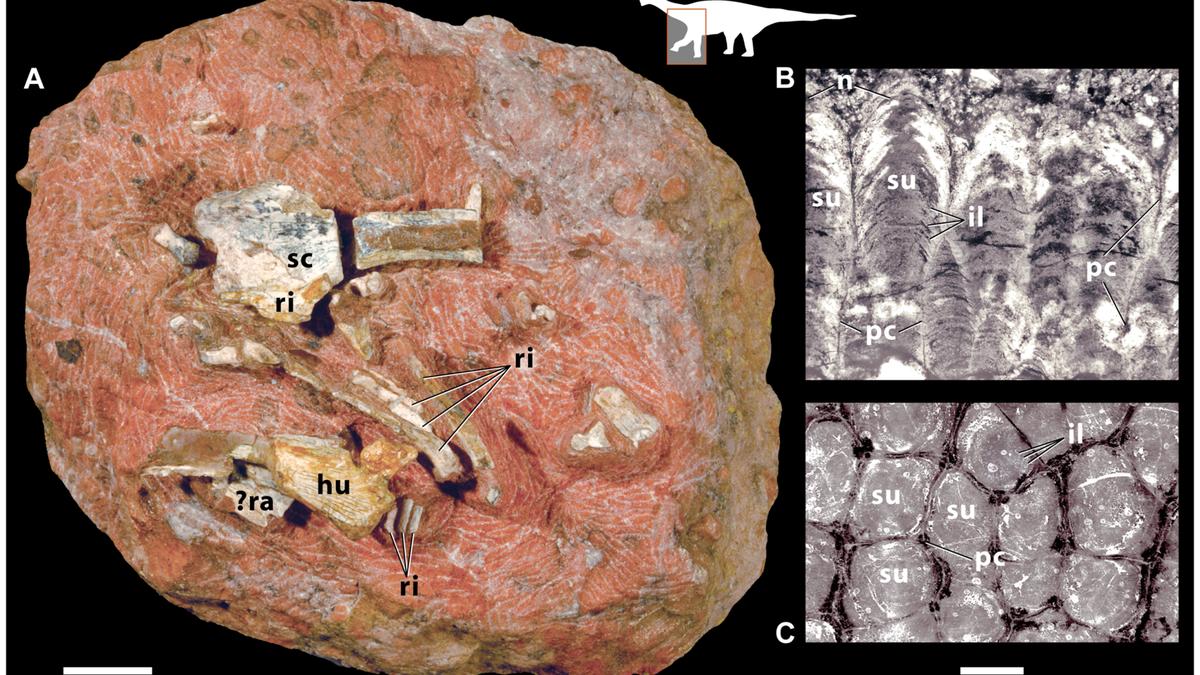
Titanosaurs, the largest land animals ever to walk Earth, nested and raised their young in the frigid regions near Antarctica—a finding that overturns decades of assumptions about where these massive sauropods could reproduce.
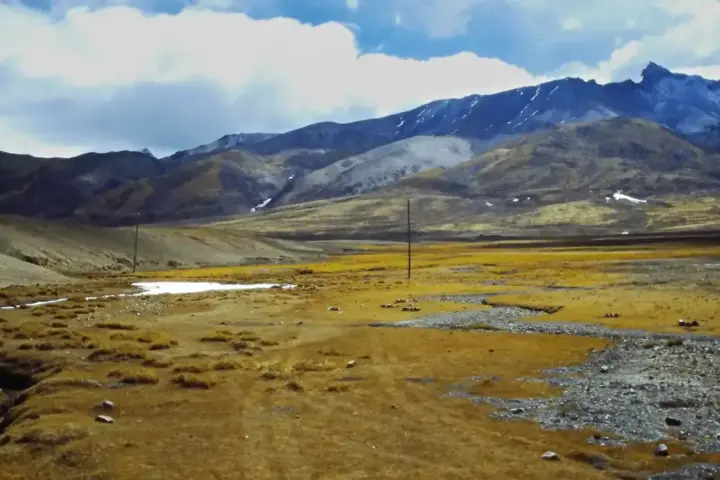
Research published in Royal Society Open Science reveals 255 eggshell fragments from the Chorrillo Formation in Santa Cruz Province, Argentina, proving that titanosaurs successfully incubated eggs at latitudes 55-60° south during the Late Cretaceous period, 68 million years ago. The site sits just 200 miles north of the Strait of Magellan in one of Earth's harshest climates, with average annual temperatures of only 12-14.5°C—roughly equivalent to modern-day New York winters.
The discovery extends the known breeding range of titanosaur dinosaurs by 15-20 degrees of latitude, fundamentally changing our understanding of these creatures' ecological tolerance. Previous evidence placed sauropod nesting sites no further south than 40°, leaving researchers puzzled about whether these massive reptiles could survive in polar regions.
A Different Kind of Nest
What makes this discovery particularly significant is *how* these dinosaurs incubated their eggs. Analysis of eggshell porosity and microstructure reveals that titanosaurs in Patagonia used vegetation mound nests—piles of decomposing plants and soil that generate heat through natural rot—rather than relying on body heat, sunlight, or buried incubation methods. This strategy mirrors techniques used today by crocodiles and Australian megapode birds, suggesting an ancient and proven approach to passive incubation.
The high porosity of the eggshells themselves provides the smoking gun: the eggs were adapted for humid, buried environments where decomposing vegetation would provide consistent warmth in an otherwise cold climate. This wasn't a desperate survival strategy—it was a refined adaptation.
Modern Implications
The timing of this discovery carries unexpected relevance. The paleoclimate conditions at the Chorrillo Formation during the Cretaceous—cool but habitable, with seasonal variation—closely mirror climate projections for temperate zones by 2100. Understanding how titanosaurs and their ecosystems adapted to these conditions offers insights into animal resilience as modern species face rapid climate shifts.
The vegetation mound incubation technique also presents biomimicry opportunities. In an era of climate uncertainty, passive heating methods for agricultural incubation in marginal lands could offer sustainable alternatives to energy-intensive approaches, particularly in regions with limited access to reliable power.
New Questions About Dinosaur Life
The discovery suggests that high-latitude titanosaur populations may have been year-round residents rather than seasonal migrants, fundamentally reshaping theories about dinosaur ecology. A breeding population so far south indicates access to sufficient food, shelter, and resources to sustain multiple generations—evidence of thriving polar dinosaur ecosystems rather than marginal populations struggling in harsh conditions.
The research also showcases methodological advances in paleontology. Micro-CT scanning and detailed pore analysis of eggshell fragments revealed preservation of soft tissue structures typically destroyed by fossilization, opening new avenues for understanding Cretaceous reproductive biology.
For Patagonia itself, the Chorrillo Formation's growing scientific prominence underscores the region's importance as climate conditions shift. The area sits near the Drake Passage gateway to Antarctica, a zone increasingly accessible to research as ice recedes—positioning it as a crucial focal point for understanding ancient and modern polar ecosystems.
The titanosaurs of Patagonia weren't exceptions to the rules of where dinosaurs could live. They rewrote them entirely.