 Govind Tekale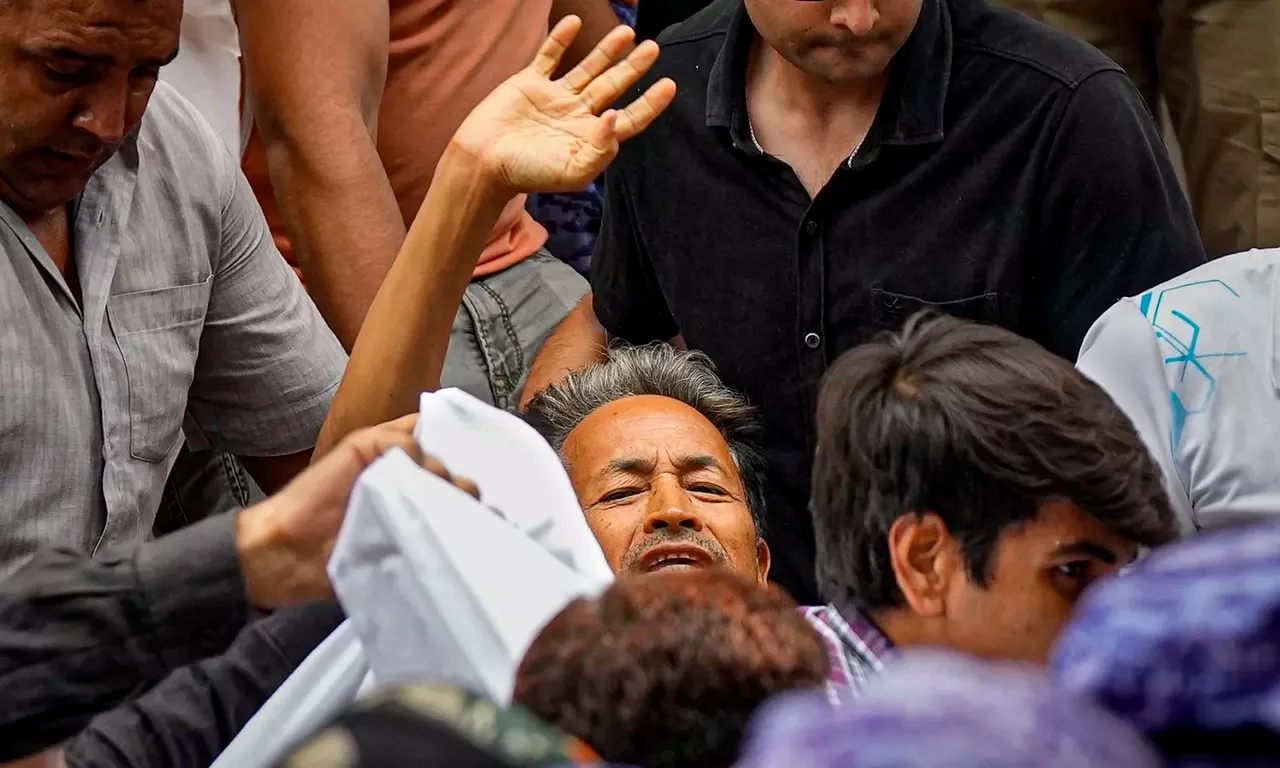
Sonam Wangchuk ended his hunger fast this week without getting the demand he had tied it to — the resignation of a senior cabinet official. The decision has surfaced political tensions that are now drawing attention across India’s media.
Wangchuk, a Ladakhi engineer and the 2018 Ramon Magsaysay Award winner, is one of the most prominent voices in Ladakh’s demand for constitutional protections under the Sixth Schedule of the Indian Constitution. Since Ladakh lost its statehood status in 2019 and was converted to a Union Territory, residents have had no elected legislature and no legislative control over land, employment, or environmental decisions. Wangchuk has argued that the Sixth Schedule — which gives tribal areas a degree of self-governance — would restore a measure of protection that Ladakhis have been without for years.
His latest fast was directed at accountability from Dharmendra Pradhan, a senior government minister. Wangchuk broke the fast without that accountability materialising. In remarks widely circulated in Hindi media, he said “mera dimaag alag” — broadly meaning his thinking was different from others in the movement. That statement is drawing interpretation as a signal that his strategy is shifting, even as the core demand remains unresolved.
Reports from BBC, AajTak, and Hindustan point to growing friction between Wangchuk’s movement and political parties including Congress, with questions emerging about how the government approached Wangchuk’s faction differently from party-aligned groups in Ladakh’s broader political coalition. The Delhi Chalo march that Wangchuk led in 2024 — during which over 100 activists were detained — was the movement’s most visible national moment. The current political differences suggest the coalition that made that march possible has internal strains.
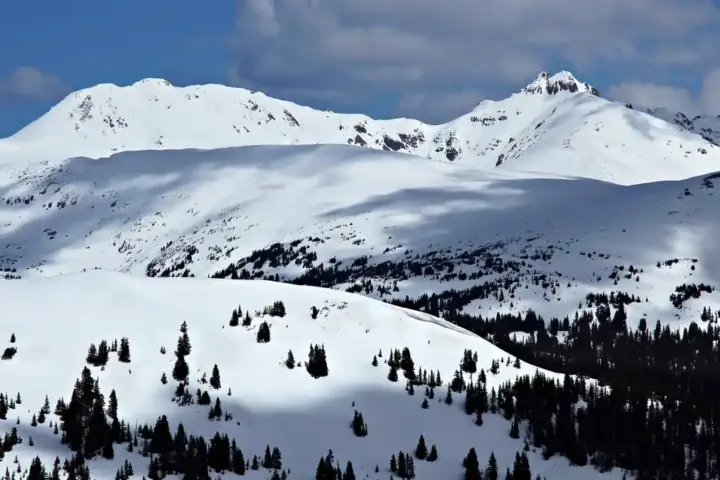
The environmental context that has driven much of Wangchuk’s work does not pause for political negotiations. Glaciers in the Hindu Kush Himalayas are retreating at documented rates. The International Centre for Integrated Mountain Development has tracked significant ice mass loss in the region over the past two decades. Ladakh’s villages depend on glacier melt for freshwater during the spring planting period — the gap before summer glacier melt begins. Without adequate water in that window, farming becomes unreliable.
Wangchuk’s Ice Stupa project directly addresses this gap. The artificial glacier structures capture winter stream water and freeze it into cone-shaped ice towers. The cone shape reduces surface area exposure to sunlight, slowing the melt rate. These structures — now operational across multiple Ladakhi villages — release water during the dry spring period, filling the gap in water availability. The concept has also been tested in other high-altitude regions outside India.
SECMOL, the Students’ Educational and Cultural Movement of Ladakh that Wangchuk founded in 1988, continues operating its alternative school, where students learn practical engineering and environmental management through hands-on project work rather than rote-based curriculum.
The Sixth Schedule demand has not been granted. Land rights, employment protections, and environmental safeguards for Ladakh’s fragile high-altitude terrain remain unresolved. Wangchuk breaking his fast without concessions does not end the conversation — it changes how the next phase of it will unfold.
The fragility of Himalayan towns is not theoretical. Joshimath’s subsidence crisis demonstrated what happens when mountain environments are developed without adequate protections. Ladakh’s advocates point to that example when making the case for why constitutional safeguards matter before the damage, not after.