Rahul Somvanshi
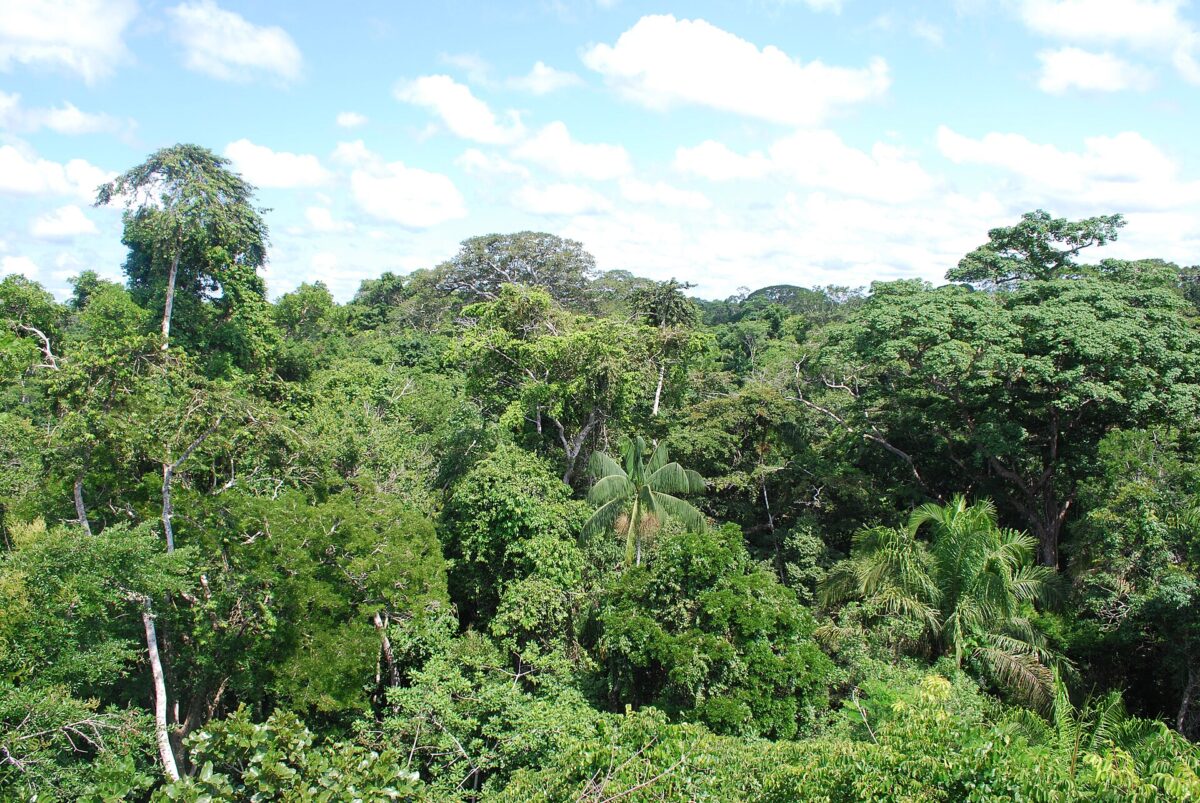
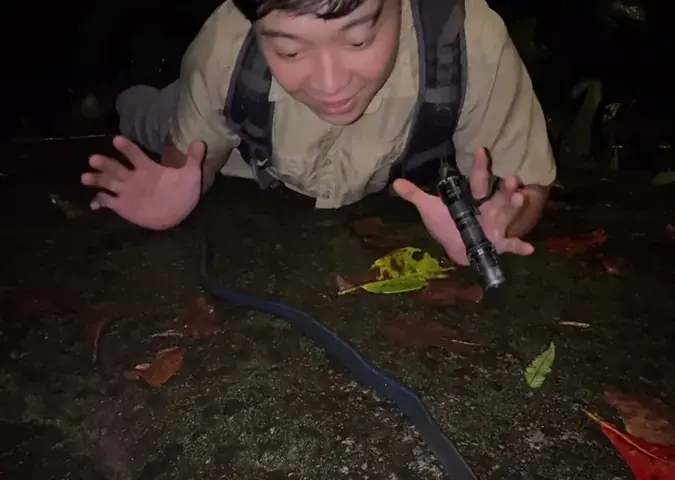
Junglekeepers, a conservation organisation that patrols nearly 160,000 acres of rainforest in the Peruvian Amazon, says ranger footage shows a road expanding along the northern boundary of its reserve. In an Instagram reel posted on 22 October 2026, the group’s caption alleges that the encroachment is accompanied by slash-and-burn clearing, damage to forest and wildlife habitat, and what it describes as a land takeover. Junglekeepers says it is pursuing legal strategies in response.
The claims come directly from the organisation’s own account and have not been independently verified. No public official record, satellite analysis, permit file, enforcement action, or independent news report identifying this specific road, its builders, or its legal status was located. The road’s existence along the stated boundary, who is responsible for it, whether construction is unlawful, and the accompanying allegations of burning and wildlife harm remain, at this stage, assertions made by Junglekeepers rather than established facts.
What Junglekeepers Says
On its own mission materials, Junglekeepers describes a broader, ongoing set of pressures on the area it patrols, stating that roads, illegal logging, poaching, and gold mining threaten the forest it monitors. The organisation says its rangers conduct patrols across the reserve. That is a statement by an advocacy and conservation group about its own area of operation, not an independently confirmed account of the specific road shown in the October reel.
Instagram did not supply captions or subtitles for the video, and no reliable verbatim transcript of the ranger footage’s audio could be produced. As a result, the organisation’s written caption is the only usable statement of what the clip claims to show.
Why Verification Matters: Lessons From Satellite Road Monitoring
Determining whether a road in the Amazon is illegal, and who built it, is rarely straightforward — a point underscored by prior satellite-monitoring work in the region. MAAP (the Monitoring of the Andes Amazon Program), a programme run by Amazon Conservation, ACCA, and CIMA, says it uses satellite technology and Amazonian expertise to monitor deforestation and fires and to provide technical information for decision-makers and civil society.
One MAAP report specifically addressed road-building: in a 2015 report (MAAP #18), the programme documented that 1,134 kilometers of logging roads had been built in the central Peruvian Amazon between 2013 and 2015, based on satellite analysis. The report described individual cases in which roads grew rapidly — one network expanded by 68 kilometers, and another by 29.1 kilometers in just six weeks.
Crucially, that same 2015 report cautioned that road legality is complex and cannot be inferred merely from a road’s location or appearance in satellite imagery. Determining whether a given road is authorized typically requires checking it against permits, concession boundaries, and land-tenure records — information that sits outside what a single image, video clip, or caption can establish. That caution, issued a decade ago about a different set of roads in a different period, applies with equal force to any new allegation of road-building today: a visual record of a road’s presence does not, by itself, show whether it is legal, who built it, or what land-use process authorized it, if any.
This is why the 2015 MAAP findings are cited here strictly as historical, regional context — evidence that road expansion has been a documented phenomenon in the Peruvian Amazon in the past, with legality in individual cases requiring separate verification — and not as evidence that confirms, locates, or characterizes the specific road that Junglekeepers says its rangers filmed in October 2026. No link between the 2013–2015 MAAP dataset and the current allegation has been established.
What Remains Unconfirmed
Several elements of the Junglekeepers allegation currently rest solely on the organisation’s own statement:
- The precise location, length, and progression of the alleged road
- The identity of those responsible for building it
- Whether the road, or any associated clearing, lacks legal authorization
- The extent and nature of any forest or wildlife damage
- The land-takeover characterization
Independent satellite analysis of the kind MAAP has published for other roads in the region, such as MAAP #18, does not currently exist for this specific allegation. Until such independent verification emerges, the matter should be understood as an organisational alert and allegation, not a verified finding.
Sources
- Junglekeepers Instagram reel (22 October 2026) — organisational allegation, as described in this article; original post not independently embedded.
- MAAP #18, Amazon Conservation / ACCA / CIMA (30 October 2015): https://www.maapprogram.org/maap18-logroads/
- MAAP programme overview: https://www.maapprogram.org/